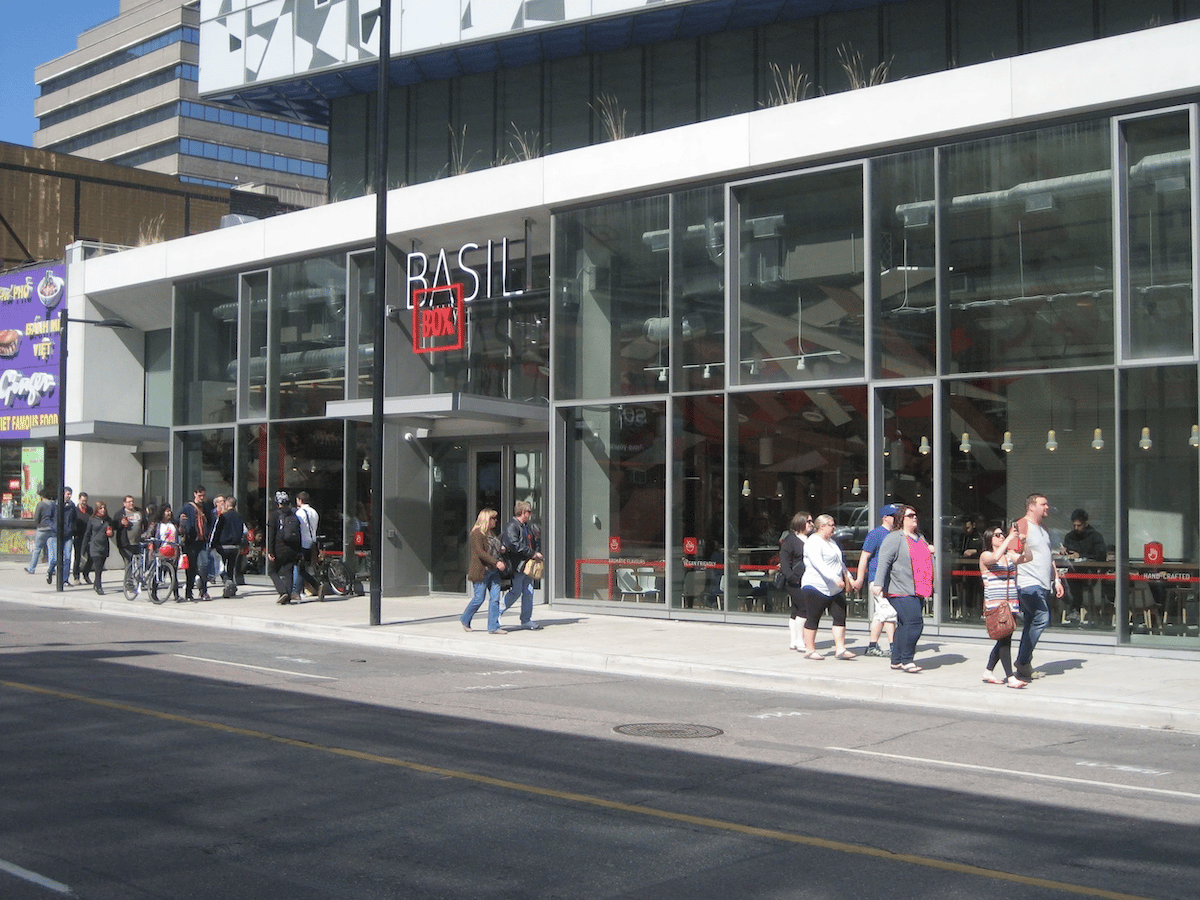
Toronto’s Basil Box to Shut Down All Locations by May 14
Why It Matters
The abrupt wind‑down highlights the fragility of Canada’s mid‑price fast‑casual segment, where rising input, labour and rent costs are outpacing consumer spending, signaling broader challenges for health‑focused restaurant models.
Key Takeaways
- •Basil Box will close all locations by May 14, 2026.
- •Founder cited “deeply personal reasons” without detailing financial distress.
- •Gluten‑free focus drove loyalty but added supply‑chain cost pressures.
- •Mid‑price fast‑casual segment faces shrinking foot traffic and rising rents.
- •Closure signals broader challenges for Canadian health‑focused restaurant concepts.
Pulse Analysis
Basil Box, a Toronto‑born fast‑casual chain, built its brand on Southeast Asian bowls that were 100 % gluten‑free and positioned at a mid‑range price point of roughly $14‑$19 Canadian per meal (about $10‑$14 U.S.). Launched in 2015, the concept quickly expanded to 17 locations by 2019, capitalising on Canadian consumers’ growing appetite for health‑focused, customizable meals. Its urban footprint—office towers, hospitals and university campuses—offered high visibility and rapid service, earning it a reputation as one of the country’s most promising homegrown dining concepts.
The abrupt shutdown underscores how fragile the mid‑price fast‑casual segment has become. Post‑pandemic foot traffic in office buildings and hospitals has not rebounded to pre‑2020 levels, eroding the volume that justified premium rents in prime downtown locations. At the same time, input costs for imported staples such as jasmine rice, coconut milk and specialty spices have risen sharply, while labour wages have climbed due to tighter talent markets. The brand’s all‑gluten‑free supply chain, though a differentiator, added further cost rigidity, squeezing margins even before the final closure decision.
Basil Box’s exit sends a cautionary signal to other Canadian concepts that rely on niche health claims and high‑cost urban real estate. Investors and operators will likely reassess the viability of a fully gluten‑free menu unless economies of scale can offset certification expenses. Moreover, the closure highlights a broader market shift toward either value‑oriented quick‑service brands or premium experiences that can command higher price points. For the industry, the lesson is clear: sustainable growth now hinges on flexible cost structures, diversified location strategies and a keen eye on evolving consumer spending patterns.
Toronto’s Basil Box to Shut Down All Locations by May 14
Comments
Want to join the conversation?
Loading comments...