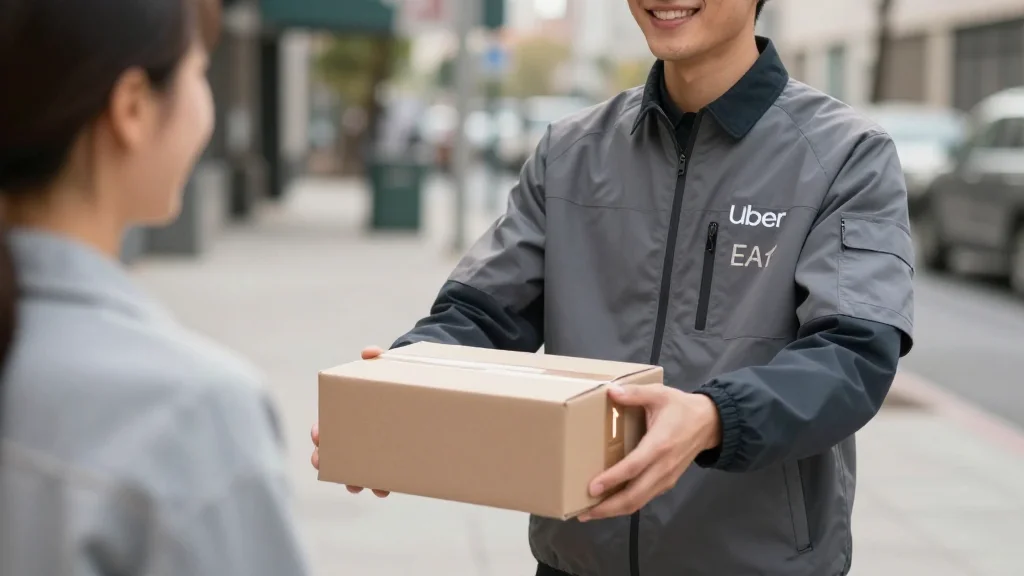
Uber Eats Launches Retail Returns Feature
Companies Mentioned

Why It Matters
By integrating returns into its app, Uber gives retailers a faster, lower‑cost reverse‑logistics option, potentially increasing online sales and pressuring traditional carriers. The feature also diversifies Uber’s revenue beyond food delivery.
Key Takeaways
- •Uber Eats adds on-demand retail returns via courier service
- •Returns apply to items $20+; fee based on time and distance
- •Launch includes Best Buy, DICK’S, Petco, Pacsun, Pet Food Express
- •Service pits Uber against DoorDash, FedEx, UPS in returns market
- •Uber’s move signals broader shift toward gig‑based last‑mile logistics
Pulse Analysis
Uber Eats' entry into the retail returns space marks a notable evolution for on‑demand platforms that have traditionally focused on food delivery. By allowing consumers to schedule a courier to pick up unwanted purchases and process refunds, the company tackles one of the most friction‑filled aspects of e‑commerce. The feature aligns with a broader industry trend where instant‑delivery services are expanding into ancillary functions such as order fulfillment, installation, and now reverse logistics. For retailers, integrating returns into a familiar consumer app could reduce cart abandonment and improve post‑purchase satisfaction.
The pilot rollout partners include Best Buy, DICK’S Sporting Goods, Petco, Pacsun and Pet Food Express, collectively representing thousands of brick‑and‑mortar locations. Uber charges a service fee calculated from the courier’s travel time and distance, and the service is limited to items priced at $20 or more, ensuring economic viability for short‑haul trips. Competitors are moving in parallel; DoorDash has built neighborhood warehouses to handle fulfillment and returns, while FedEx’s Happy Returns and UPS are enhancing their own reverse‑logistics offerings. Uber’s model leverages its gig‑driver network, promising faster pick‑up times than traditional carrier drop‑offs.
The launch could reshape the parcel‑delivery landscape by siphoning volume from legacy carriers that rely on fixed‑route networks. As gig‑based couriers become more adept at handling both outbound and inbound shipments, retailers may negotiate lower return processing costs and offer more flexible policies, potentially boosting online sales. For Uber, the service diversifies revenue streams beyond food and expands its data moat on consumer behavior across product categories. Observers will watch adoption rates and fee structures closely, as they will indicate whether on‑demand returns can scale profitably and challenge entrenched logistics players.
Uber Eats launches retail returns feature
Comments
Want to join the conversation?
Loading comments...