Uber Turns Its App Into a Personal Shopping Service
Companies Mentioned

Why It Matters
The move positions Uber to compete directly with DoorDash’s retail delivery push and deepens its role in the on‑demand economy, while Block’s fintech integration reduces payment friction for multi‑service transactions.
Key Takeaways
- •Uber adds “Shop for Me” to request any store item.
- •Feature competes directly with DoorDash’s retail delivery expansion.
- •Block’s payment tech enables complex driver‑merchant settlement.
- •Uber aims to become a one‑stop “app for everything.”
- •Drivers now act as on‑demand personal shoppers.
Pulse Analysis
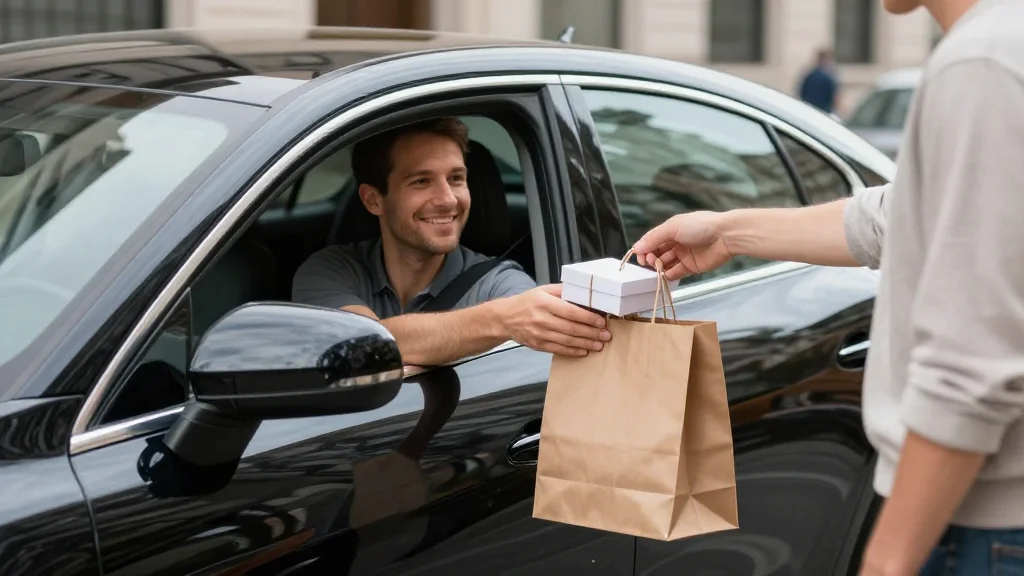
Uber unveiled its “one app for everything” strategy at the Go‑Get conference, adding a “Shop for Me” feature that lets riders request items from any retailer and have an Uber driver pick them up and deliver them. The function builds on the 2023 Uber Eats grocery‑shopping capability but removes the need for merchants to be pre‑listed in the platform. By turning the rideshare app into a personal shopping concierge, Uber hopes to capture more wallet share from consumers who are already juggling multiple delivery apps.
DoorDash has already moved beyond restaurant delivery into local retail, prompting Uber to accelerate its own expansion. The new service gives Uber a broader merchant network without the overhead of onboarding each store, leveraging its existing driver fleet as on‑demand shoppers. For drivers, the model adds a higher‑margin task that can increase earnings per trip, while merchants gain instant access to a nationwide logistics layer. However, the shift also raises questions about driver liability and the consistency of the shopping experience across diverse retailers.
The rollout would not be possible without Block’s payment infrastructure, which now powers Cash App Pay across Uber’s platforms and handles the intricate settlement required when drivers purchase items on behalf of riders. Block’s ability to reconcile merchant, driver and Uber balances in real time reduces friction and protects all parties from financial risk. This partnership signals a deeper convergence between gig‑economy platforms and fintech providers, a trend that could reshape how on‑demand services monetize beyond the traditional fare‑plus‑tip model. Observers will watch whether the added convenience translates into sustained user growth and higher lifetime value.
Uber Turns Its App into a Personal Shopping Service
Comments
Want to join the conversation?
Loading comments...