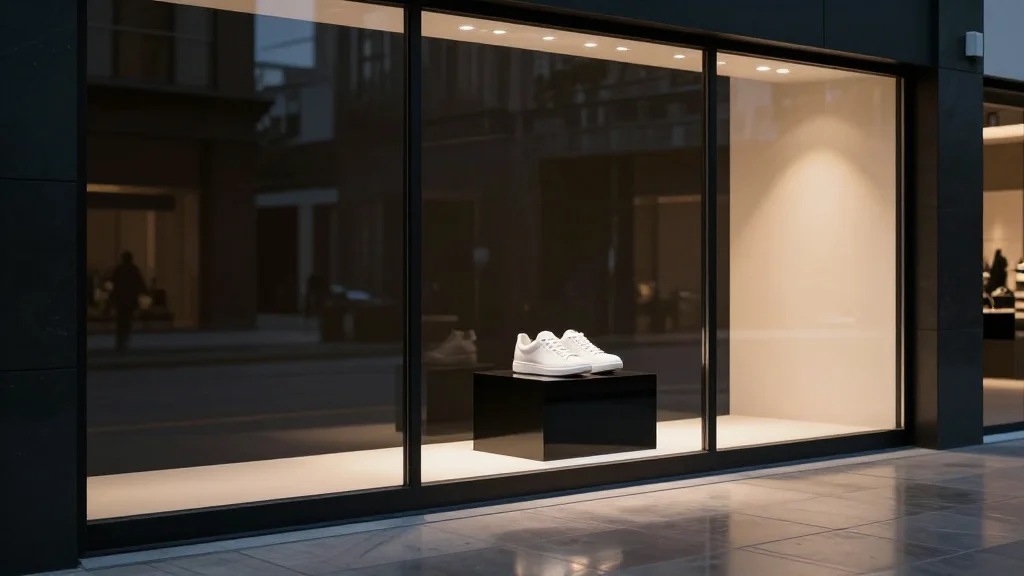
UBS Predicts 40,000 More Stores Could Close in the Next Five Years. Why Footwear Retailers Could Buck the Trend
Companies Mentioned

Why It Matters
The forecast signals a structural pivot toward digital and DTC channels, reshaping profitability and competitive dynamics across retail. Brands that can blend high pricing power with seamless omnichannel experiences stand to capture market share as weaker players exit.
Key Takeaways
- •UBS forecasts >40,000 U.S. store closures by 2030.
- •Footwear brands with strong DTC, like Deckers, may outpace closures.
- •Dick’s Sporting Goods sales per store rose to $15.7 M in Q3 2025.
- •Online sales now represent 22% of U.S. retail, double 2019 levels.
- •AI‑driven “agentic shopping” expected to accelerate e‑commerce adoption.
Pulse Analysis
UBS’s latest retail outlook underscores a decade‑long acceleration of store consolidation, driven by shifting consumer habits and technology adoption. The firm estimates that more than 40,000 U.S. locations will close by 2030, a trend that disproportionately hurts small chains and independent retailers that lack the scale to invest in omnichannel infrastructure. Department‑store giants such as Macy’s and J.C. Penney are already on shrinking footprints, while mass merchants like Walmart and Target continue to leverage high sales per square foot to maintain relevance.
Footwear stands out as a potential bright spot amid the broader downturn. Brands that have cultivated robust DTC platforms—Deckers, On Running, and Ralph Lauren—combine premium pricing power with direct customer relationships, allowing them to offset the pressure on brick‑and‑mortar. Their ability to integrate store‑fulfillment options, such as curbside pickup, improves e‑commerce profitability and reduces the need for extensive physical networks. By contrast, sporting‑goods retailers see modest per‑store sales growth, but the sector’s overall momentum is normalizing after pandemic‑driven spikes.
Looking ahead, AI‑enabled “agentic shopping” is set to reshape the e‑commerce landscape, offering consumers personalized, autonomous product discovery that bypasses traditional marketing. This technology, coupled with the steady rise of online sales to 22% of total retail, will likely intensify the pressure on physical locations to become experience‑focused hubs rather than primary sales drivers. Retailers that can marry speed, curated assortment, and seamless digital integration will be best positioned to thrive in a market where fewer stores must do more work.
UBS Predicts 40,000 More Stores Could Close in the Next Five Years. Why Footwear Retailers Could Buck the Trend
Comments
Want to join the conversation?
Loading comments...