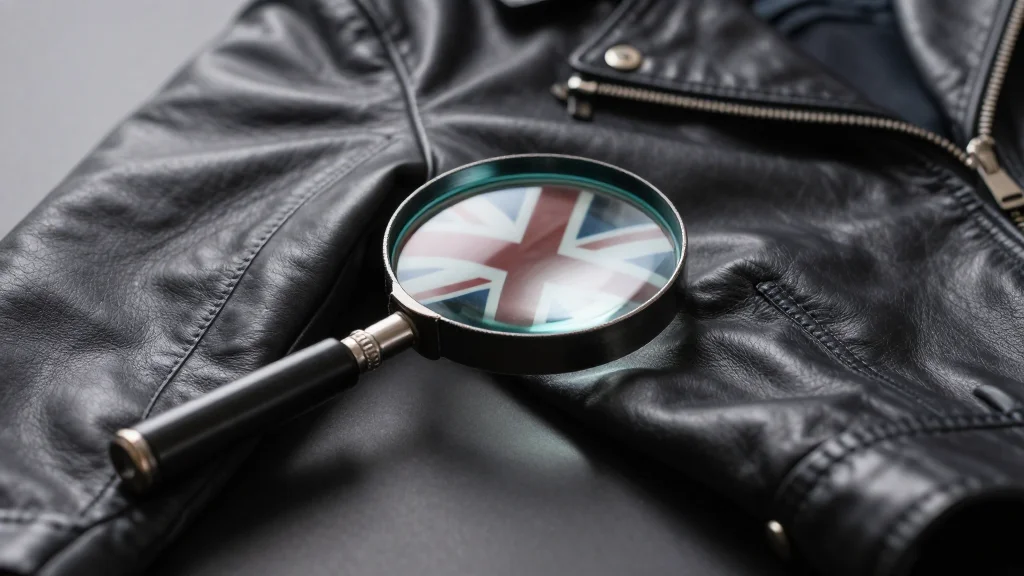
UK Issues Guidance on Spotting Counterfeit Secondhand Fashion
Companies Mentioned
Why It Matters
Counterfeit activity threatens consumer confidence and the rapid growth of the resale market, prompting coordinated action from government, platforms and enforcement agencies. Strengthening trust is essential for sustaining the sector’s momentum and protecting brand integrity.
Key Takeaways
- •UK second‑hand fashion expands 11% yearly, drawing counterfeit sellers
- •Counterfeit seizures total over £4 million (~$5.1 million) this year
- •60% of buyers of fakes report poor quality or refund disputes
- •One‑third of shoppers skip authenticity checks before purchase
- •Vinted reports 88% of buyers verify listings, boosting trust
Pulse Analysis
The UK’s pre‑owned fashion market is booming, driven by sustainability concerns and price‑savvy shoppers. At an estimated 11% annual growth, the sector now accounts for a sizable share of apparel sales, especially among Gen Z and Millennials. This rapid expansion, however, has attracted organised crime groups that flood online marketplaces with counterfeit luxury goods, eroding consumer trust and threatening brand reputations. By converting the scale of illicit activity into dollar terms—over $5 million in counterfeit items seized this year—the magnitude of the problem becomes clear for investors and policymakers alike.
In response, the Intellectual Property Office launched a comprehensive guidance package, developed with Vinted, to equip buyers with concrete verification steps. The advice emphasizes scrutinising seller feedback, matching labels and stitching, and using platform‑based payment and protection tools. Recent multi‑agency raids that confiscated roughly $3.8 million, $1.4 million and $1.3 million in fake goods underscore the effectiveness of coordinated enforcement. These operations not only remove counterfeit stock but also send a deterrent signal to criminal networks targeting the lucrative resale ecosystem.
For the industry, the guidance aims to preserve the credibility of second‑hand platforms while supporting their growth trajectory. Vinted’s data shows 88% of buyers now perform platform checks before purchasing, and 76% say resale replaces buying new, indicating a shift toward more informed consumption. By fostering transparency and consumer education, the UK can sustain the resale market’s momentum, protect brand equity, and mitigate the financial and reputational risks associated with counterfeit merchandise.
UK issues guidance on spotting counterfeit secondhand fashion
Comments
Want to join the conversation?
Loading comments...