UK Supermarkets Face Q‑Commerce Pressure on Pricing, Loyalty and In‑Store Tech

Companies Mentioned
Why It Matters
The findings signal a fundamental shift in how British consumers evaluate value, moving beyond price alone to include speed, transparency and personalised rewards. For supermarkets, the risk is not just a loss of footfall but a deeper erosion of brand loyalty as shoppers gravitate toward platforms that deliver a seamless, data‑driven experience. By quantifying shopper expectations—78% demanding price parity, 66% frustrated by exclusive deals, and half seeking real‑time offers—the study provides a roadmap for retailers to prioritise technology investments that protect margins while meeting modern demand. Failure to act could accelerate the migration of high‑spending customers to premium or online‑only competitors, reshaping the UK grocery landscape.
Key Takeaways
- •78% of UK shoppers expect in‑store prices to match online listings
- •79% say consistent pricing drives loyalty
- •66% are frustrated by channel‑exclusive deals
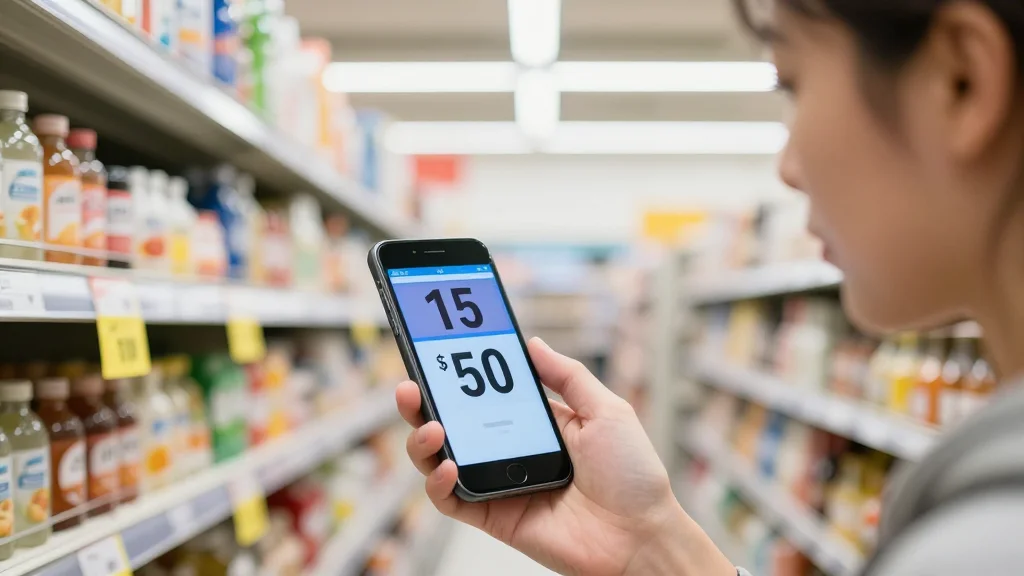
- •52% want real‑time price comparisons at the shelf
- •41% want more digital signage in‑store
Pulse Analysis
Pricer’s data arrives at a moment when Q‑commerce has moved from a niche convenience service to a mainstream expectation driver. Historically, UK supermarkets have relied on price wars and broad‑brush loyalty cards to retain customers. The new paradigm—instant, personalised pricing and omnichannel loyalty—forces a rethink of the cost‑to‑serve model. Retailers that can integrate dynamic pricing engines with existing POS systems will likely offset margin pressure by increasing basket size and frequency, as personalised offers have been shown to lift spend by up to 15% in comparable markets.
From a competitive dynamics perspective, the threat is two‑fold. First, pure‑play Q‑commerce firms such as Deliveroo and Gorillas are leveraging their data pipelines to negotiate better supplier terms, passing savings to consumers and undercutting traditional price points. Second, legacy supermarkets that invest in in‑store digital infrastructure—electronic shelf labels, AI‑driven price optimisation, and real‑time loyalty feeds—can create a hybrid experience that blends convenience with the tactile advantages of physical retail. Early adopters like Tesco and Sainsbury’s have already piloted dynamic pricing pilots, but the scale and speed of rollout will determine whether they can close the expectation gap.
Looking ahead, the key metric for retailers will be the conversion rate of digital expectations into in‑store sales. If pilots demonstrate that real‑time price matching and personalised offers lift conversion by even a modest 3‑5%, the ROI on technology spend becomes compelling. Moreover, the data suggests a segmentation opportunity: targeting affluent, tech‑savvy shoppers with premium, convenience‑focused services while retaining price‑sensitive customers through aggressive discounting. The ability to run these parallel strategies without cannibalising each other will define the next wave of UK grocery competition.
UK Supermarkets Face Q‑Commerce Pressure on Pricing, Loyalty and In‑Store Tech
Comments
Want to join the conversation?
Loading comments...