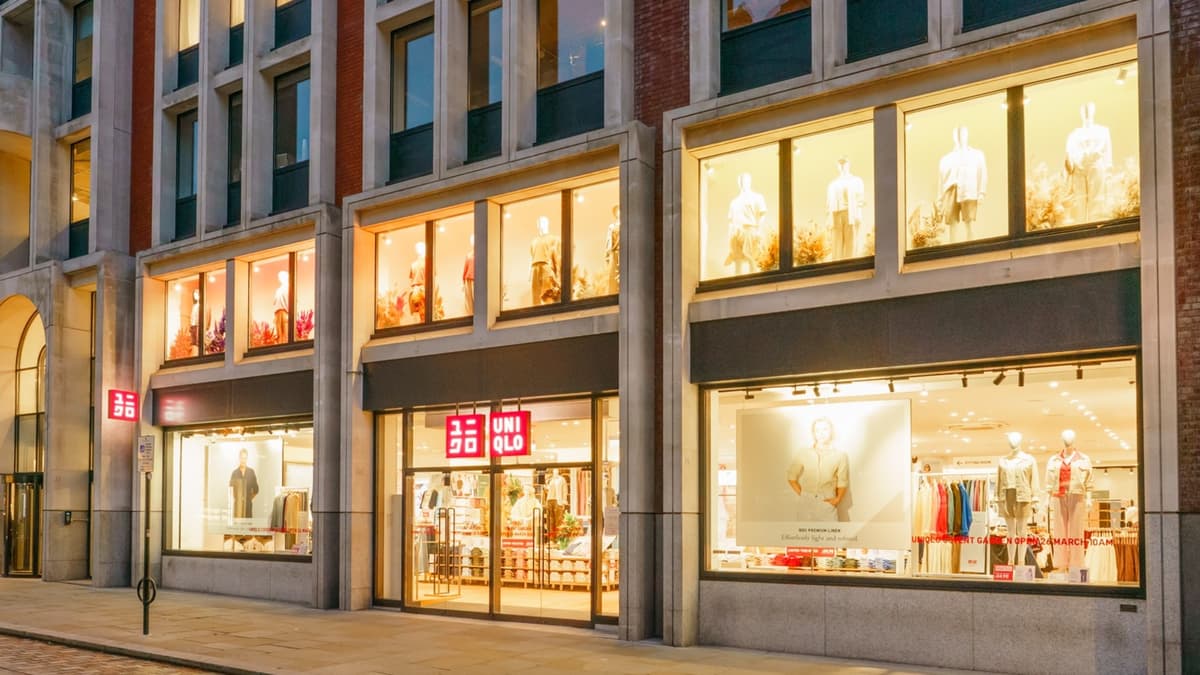
Uniqlo Oxford Street Flagship Ranks Among Brand's Top Performing Stores Worldwide
Companies Mentioned
Why It Matters
The strong flagship performance underscores Uniqlo’s ability to drive high‑margin growth and deepen brand penetration in mature markets, signaling a scalable path for global expansion. Investors see the data as proof that the flagship model can translate tourist traffic into sustainable revenue streams.
Key Takeaways
- •Oxford Street ranks 5th globally in Uniqlo's six‑month sales
- •International revenue rose 22% to ¥1.24 trillion (~$8.3 bn)
- •Fast Retailing targets 30% annual sales growth through new flagships
- •Europe market share remains low at ~0.5% despite growth
- •Tourist-focused services, like cash payments, boost flagship traffic
Pulse Analysis
Uniqlo’s flagship strategy has become a cornerstone of Fast Retailing’s growth engine. By concentrating premium retail space in high‑traffic corridors such as London’s Oxford Street, the brand captures both local shoppers and the influx of tourists seeking Japanese fashion. The recent ranking—fifth worldwide—demonstrates that flagship stores can generate disproportionate sales relative to their footprint, feeding a virtuous cycle of brand visibility and customer acquisition. This model also allows Uniqlo to test new services, like cash‑accepting tills and personalized studios, that can be rolled out to other locations.
Europe remains a frontier for Uniqlo, with market share hovering around 0.5% despite a projected €2.35 billion (≈$2.5 billion) sales target for 2026. The company’s aggressive rollout of flagship stores in first‑tier cities such as London, Paris, and Milan is designed to accelerate awareness and capture the continent’s fashion‑forward consumers. By leveraging the tourist draw of iconic streets, Uniqlo can offset the low baseline penetration and create a halo effect that drives traffic to smaller, secondary stores. The emphasis on localized services—cash payments, kidswear hubs, and digital personalization—aligns with European shoppers’ expectations for convenience and experiential retail.
For investors, the data signals a robust upside narrative. A 22% revenue surge to $8.3 billion and a 37% profit jump to $1.5 billion illustrate that the flagship model not only lifts top‑line numbers but also improves margins. Maintaining a 30% annual sales growth trajectory while expanding the flagship footprint suggests that Uniqlo can sustain its momentum without over‑leveraging inventory. As the brand deepens its presence in mature markets, the combination of high‑frequency tourist traffic and repeat local customers positions Uniqlo to outpace competitors and deliver consistent shareholder value.
Uniqlo Oxford Street flagship ranks among brand's top performing stores worldwide
Comments
Want to join the conversation?
Loading comments...