Unpacked: What Maryland’s Dynamic Pricing Ban Says About the Electronic Shelf Label Debate
Companies Mentioned

Why It Matters
The legislation curtails data‑driven price discrimination, protecting consumers while setting a precedent that could shape national retail pricing standards.
Key Takeaways
- •Maryland bans personalized price hikes on tax‑exempt groceries
- •Fines: $10K first offense, $25K repeat offenses
- •Electronic shelf labels remain legal, despite union opposition
- •Law applies to retailers 15,000 sq ft+ and delivery services
Pulse Analysis
Dynamic pricing—adjusting prices in real time based on individual shopper data—has long been a hallmark of airlines, hotels, and rideshare platforms. In grocery retail, the practice raises concerns about price discrimination, especially as artificial‑intelligence tools can parse location, browsing habits, and purchase history to tailor costs. Maryland’s new Protection From Predatory Pricing Act directly addresses these worries by outlawing any price increase driven by personal data on tax‑exempt food items, marking the first state‑level ban of its kind.
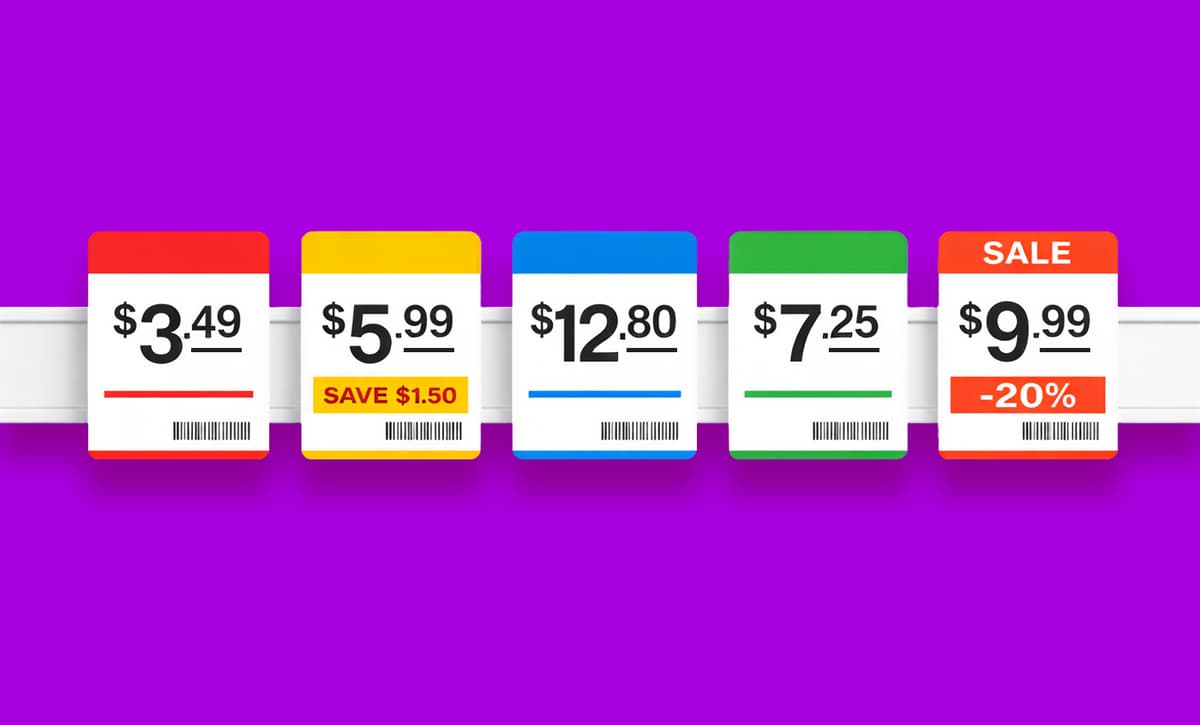
The law’s design balances consumer protection with operational flexibility. While it bars personalized surcharges, it still permits legitimate price adjustments tied to supply chain shocks, weather events, or energy costs—factors that have already driven spikes such as the 2025 egg shortage. Retailers can continue to use electronic shelf labels (ESLs), a technology that enables rapid price updates without manual stickers. Although the United Food and Commercial Workers union pushed for an outright ESL ban, legislators concluded that ESLs themselves do not collect personal data, and they can actually improve price transparency by reflecting market changes instantly.
Maryland’s approach is likely to influence a wave of legislative activity across the country. At least a dozen states are monitoring the outcome as they consider similar bans or stricter controls on surveillance pricing. If the Maryland model proves effective—maintaining price fairness while allowing data‑informed discounts—other jurisdictions may adopt it as a template, potentially reshaping the retail pricing landscape and setting new standards for how consumer data can be ethically leveraged in the grocery sector.
Unpacked: What Maryland’s dynamic pricing ban says about the electronic shelf label debate
Comments
Want to join the conversation?
Loading comments...