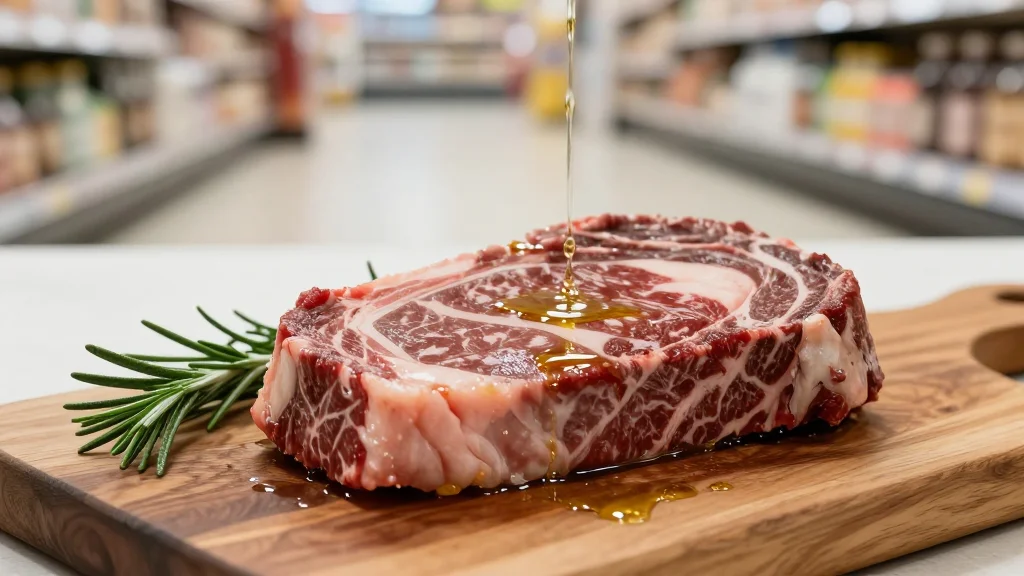
U.S. Beef Prices Hit Record $9.64/lb, Sending Steak Costs Near $22/Pound

Why It Matters
The record‑high beef prices ripple through the broader retail sector, inflating grocery bills and eroding household discretionary income. As meat accounts for a sizable share of food spending, sustained price pressure could accelerate shifts toward plant‑based alternatives, reshaping category dynamics and supplier negotiations. For retailers, the challenge is twofold: protect profit margins while avoiding alienating cost‑conscious shoppers, a balance that will test pricing algorithms, promotional calendars, and private‑label strategies. Moreover, the supply‑demand imbalance underscores the vulnerability of commodity‑dependent retail categories to climate‑driven shocks. A prolonged drought that trims herd sizes today can translate into higher retail prices for years, prompting retailers to diversify sourcing, invest in supply‑chain resilience, and perhaps lobby for agricultural policy interventions that mitigate future volatility.
Key Takeaways
- •Retail beef price hit a record $9.64 per pound in April, up 13% YoY
- •Ribeye steak prices approach $22 per pound
- •U.S. cattle herd at 86.2 million head, smallest since 1951 and 9% below 2019 peak
- •Beef production down ~7% and cattle harvest down ~9% year‑over‑year
- •Ground‑beef lean‑trim shortage pushes ground beef prices higher, imports rising but still a minority
Pulse Analysis
The current beef price spike is a textbook case of supply‑side shock amplified by inelastic demand. While inflationary pressures are often cited, the data points to a structural shortage rooted in climate‑induced herd liquidation. Retailers, accustomed to modest meat price fluctuations, now face a pricing environment where a single commodity can move the overall grocery price index by a full percentage point. This forces a strategic pivot: retailers must leverage data‑driven pricing engines to segment consumers, offering premium cuts to high‑margin shoppers while protecting value‑oriented segments with private‑label alternatives or cross‑category promotions.
Historically, meat price spikes have accelerated the adoption of alternative proteins. The current environment could catalyze a similar shift, especially as younger consumers already show openness to plant‑based and cultured‑meat options. Retailers that have already secured shelf space for these alternatives stand to gain market share, while those lagging may see a faster erosion of traditional meat sales. Additionally, the prolonged herd rebuild timeline—two to three years for a heifer to enter the market—means the pricing pressure is unlikely to be a short‑term blip. Companies that invest now in diversified sourcing, including stable import contracts and domestic feed‑lot efficiencies, will be better positioned when the herd rebounds.
From a macro perspective, the beef market illustrates how climate risk is becoming a core component of retail supply‑chain risk management. Retail executives will need to incorporate drought forecasts, water‑usage metrics, and livestock health data into their inventory planning models. Those that do so can pre‑empt price spikes, negotiate better terms with suppliers, and ultimately shield consumers from volatile meat bills, preserving both brand equity and profit margins.
U.S. Beef Prices Hit Record $9.64/lb, Sending Steak Costs Near $22/pound
Comments
Want to join the conversation?
Loading comments...