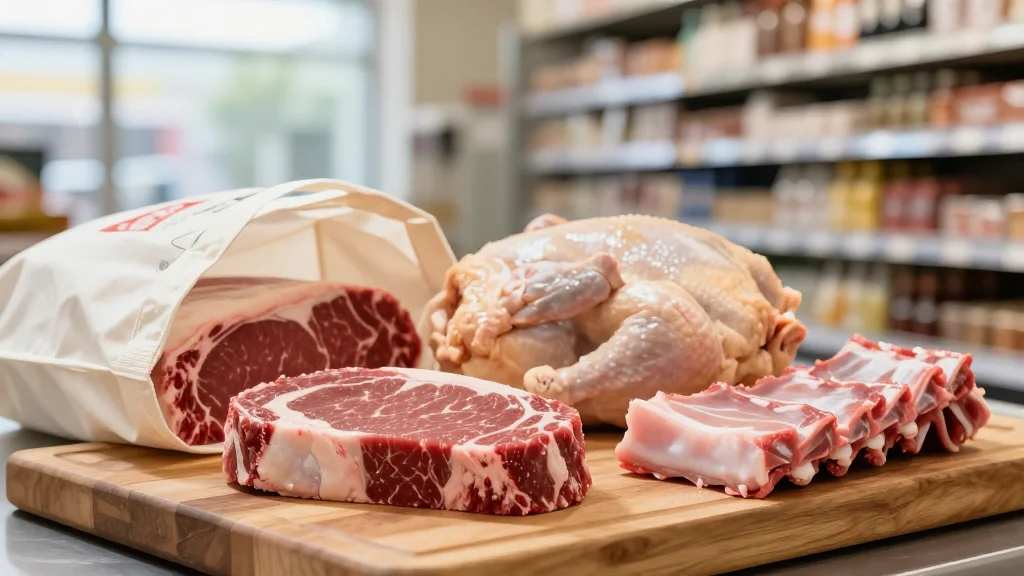
U.S. Consumers Embrace Meat as Healthy, Boosting Retail Sales

Companies Mentioned
Why It Matters
The surge in meat consumption reshapes the retail landscape, driving higher volumes for grocery chains and prompting supply‑chain expansions. At the same time, the growing discord between industry messaging and medical guidance could trigger regulatory scrutiny, affect labeling standards, and shift consumer preferences toward plant‑based alternatives. Understanding this tension is crucial for investors, retailers, and policymakers navigating the evolving protein market. Moreover, the trend highlights how health narratives can rapidly alter purchasing behavior, underscoring the power of dietary guidelines and public statements by officials. As retailers allocate shelf space and marketing budgets, the balance they strike between meat and plant‑based products will influence market share and profitability across the food sector for years to come.
Key Takeaways
- •75% of U.S. shoppers now view meat as part of a healthy diet, up from 64% in 2020 (FMI/Meat Institute survey).
- •Retail meat sales have risen double‑digit percentages in the last quarter, with online orders up 12% YoY.
- •Julie Anna Potts, Meat Institute CEO, said the data "reinforces meat’s clear and irreplaceable role" in meals.
- •Health experts warn of saturated fat and inflammation risks; Dr. Sarah C. Hull likened industry messaging to tobacco tactics.
- •Analysts project an extra $4‑$6 billion in annual meat sales if the protein trend continues.
Pulse Analysis
The latest consumer sentiment data marks a rare inflection point for the U.S. meat market, which has been under pressure from plant‑based competitors and health‑focused campaigns for years. Retailers that have traditionally hedged against meat volatility—by expanding private‑label protein lines or investing in meat‑alternative R&D—now face a strategic dilemma: double‑down on traditional meat categories to capture immediate growth, or diversify to mitigate potential regulatory or consumer backlash.
Historically, meat consumption peaks have coincided with broader economic confidence, as higher disposable income fuels demand for premium cuts and convenience products. The current uptick appears driven less by macro‑economic factors and more by a cultural re‑branding of protein, amplified by the USDA’s revised dietary guidelines and high‑profile political endorsements. This suggests the surge may be more fragile than a pure income‑driven trend; a shift in clinical guidance or a high‑profile health scandal could quickly erode the perception of meat as a health staple.
From an investment perspective, the upside is clear: supply‑chain firms, cold‑storage operators, and meat‑processing companies stand to benefit from increased volumes. However, the downside risk—potential labeling reforms, stricter advertising standards, or a resurgence of plant‑forward consumer campaigns—could compress margins. Retailers with agile merchandising strategies, such as dynamic shelf‑space allocation and data‑driven promotions, will be best positioned to ride the wave while hedging against a possible reversal. In the longer term, the industry’s ability to integrate transparent nutritional information and address sustainability concerns will determine whether this health‑driven meat boom translates into sustained market share or remains a short‑lived spike.
Overall, the meat sector’s trajectory will be defined by the interplay between consumer perception, scientific evidence, and policy action. Stakeholders that can navigate these forces—by aligning product offerings with both taste and health expectations—will capture the most value in the evolving retail protein landscape.
U.S. Consumers Embrace Meat as Healthy, Boosting Retail Sales
Comments
Want to join the conversation?
Loading comments...