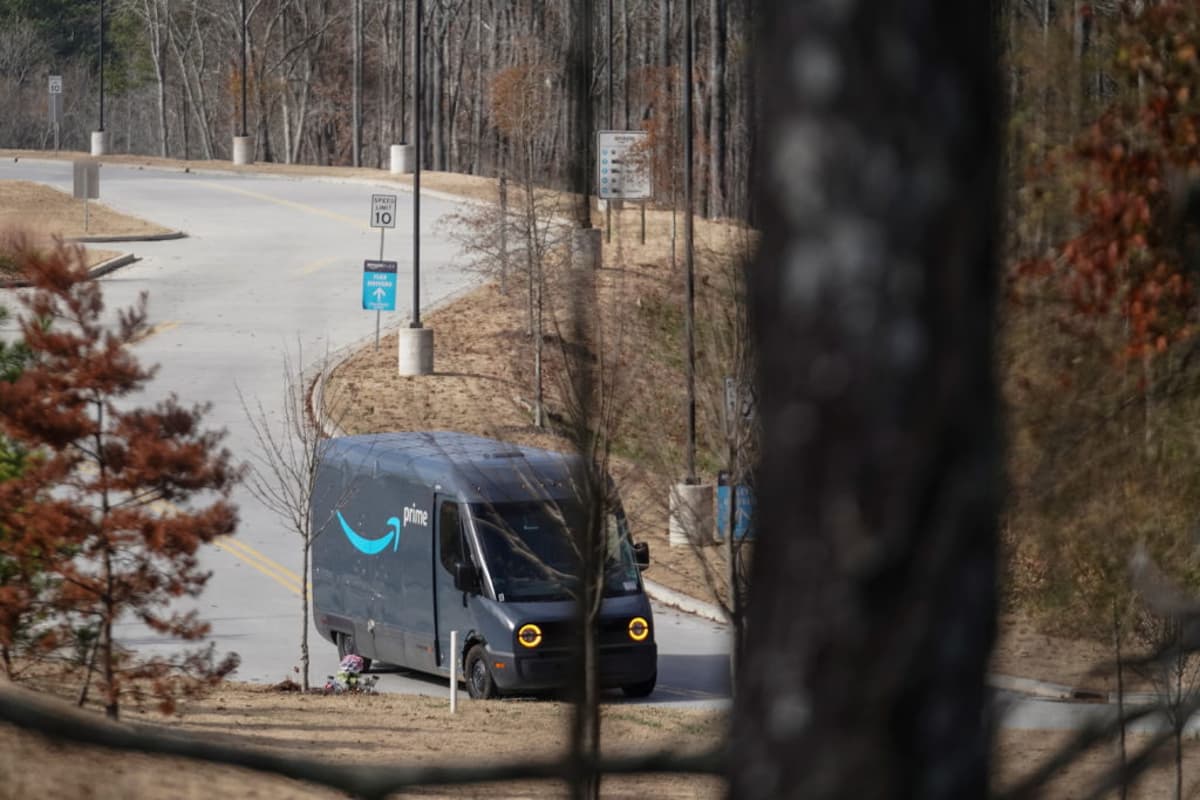
Walmart and Amazon Compete for Rural America with Faster Deliveries
Why It Matters
Accelerating rural deliveries unlocks a trillion‑dollar consumer base and forces legacy carriers to rethink logistics, reshaping the competitive landscape of U.S. retail. Faster service deepens customer loyalty and captures higher‑margin sales in previously overlooked markets.
Key Takeaways
- •Amazon invested $4B to add same‑day delivery to 4,000 rural towns
- •Walmart’s stores place 90% of Americans within 10‑mile radius
- •Rural consumer spending estimated at $1 trillion annually, 20% of U.S. retail
- •Both retailers deploy drones and AI to cut rural delivery times
- •Dollar General now offers same‑day delivery from 17,000 stores
Pulse Analysis
The push into rural America reflects a broader demographic shift: remote work and rising incomes have turned once‑overlooked towns into viable retail corridors. McKinsey reports median household income in rural counties rose 43% since 2010, now approaching $60,000, while the Census Bureau notes exurban growth far from city cores. For Walmart, proximity is a legacy advantage—90% of Americans live within ten miles of a store—allowing the retailer to repurpose existing footprints with robotic pick‑and‑pack hubs and a hexagonal service‑area model that expands same‑day coverage to an additional 12 million households.
Amazon’s strategy hinges on technology and micro‑distribution. A $4 billion infusion funded 4,000 small‑city delivery zones, and AI‑driven demand forecasting directs inventory to newly built micro‑hubs that shave days off transit times. By routing packages through these stations, Amazon aims to halve the order‑to‑delivery window, targeting under‑two‑day fulfillment for rural shoppers. The company’s use of drones and gig‑economy couriers further accelerates last‑mile performance, positioning Amazon as a direct competitor to Walmart’s store‑based fulfillment network.
The competitive ripple effects extend beyond the two giants. Discount retailer Dollar General has rolled out same‑day delivery to 17,000 of its 20,000 stores, while Tractor Supply is adding 150 delivery hubs to serve bulky goods. As FedEx, UPS, and the U.S. Postal Service trim rural routes, retailers are effectively internalizing logistics, reshaping the supply‑chain ecosystem. The race to dominate rural fulfillment promises higher margins, stronger brand loyalty, and a reallocation of capital toward automation and localized infrastructure, signaling a lasting transformation in American retail distribution.
Walmart and Amazon compete for rural America with faster deliveries
Comments
Want to join the conversation?
Loading comments...