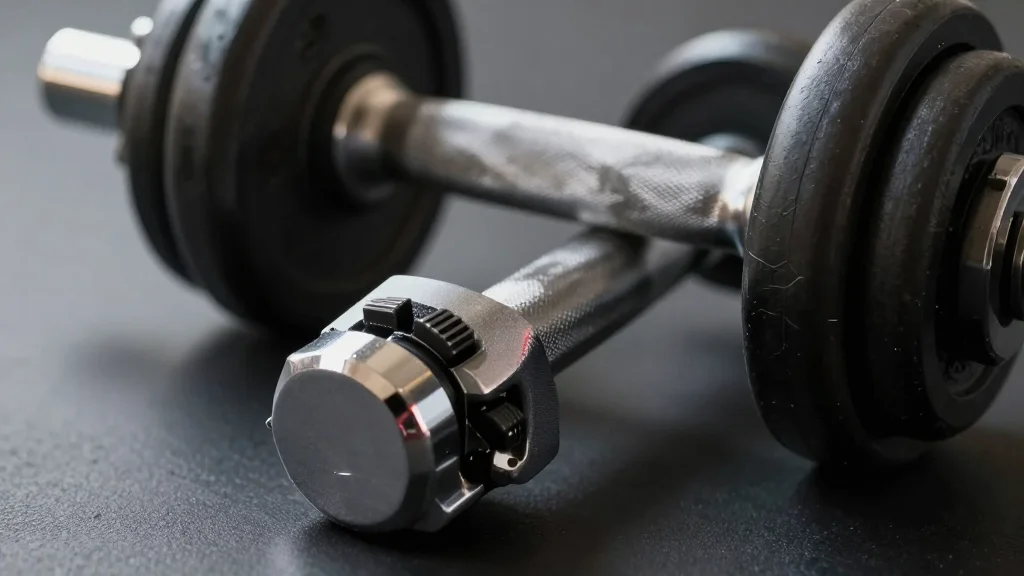
Walmart Pulls 50,000 FitRx Adjustable Dumbbells After Safety Defect

Companies Mentioned
Why It Matters
The recall highlights how safety lapses in low‑cost consumer goods can quickly become a reputational risk for retailers with national footprints. For Walmart, a brand built on trust and convenience, the incident may prompt tighter oversight of third‑party vendors and more proactive safety audits. Consumers increasingly scrutinize product safety, especially for home‑fitness equipment that sees heavy use, and a high‑visibility recall can shift purchasing preferences toward brands with stronger quality assurances. Regulators are also watching the case as a benchmark for how quickly retailers respond to CPSC alerts. A swift, transparent recall process can mitigate legal exposure and preserve consumer goodwill, while delays or inadequate communication could invite lawsuits and heightened regulatory scrutiny across the retail sector.
Key Takeaways
- •Walmart recalls ~50,000 FitRx adjustable dumbbells after CPSC reports 115 complaints.
- •At least six injuries, including broken toes and bruises, have been confirmed.
- •The product, sold for about $100, was available Jan‑Nov 2024 in stores and online.
- •Walmart halted sales, blocked registers, and marked trays with "Recalled".
- •Tzumi Electronics will provide free replacements and handle disposal of recalled units.
Pulse Analysis
Walmart’s rapid recall action reflects a growing imperative for large retailers to manage supply‑chain risk in an era of accelerated product turnover. Historically, mass retailers have relied on volume and price to dominate market share, often delegating quality control to manufacturers. However, high‑profile safety incidents—like the FitRx dumbbell recall—force a recalibration of that model. The cost of a recall extends beyond the immediate logistics of removing inventory; it can trigger a cascade of brand‑damage, legal exposure, and heightened scrutiny from both consumers and regulators.
The fitness market has surged since the pandemic, with home‑gym equipment becoming a staple purchase. This growth has attracted a wave of low‑cost, feature‑rich products that sometimes sacrifice durability for price. Walmart’s partnership with Tzumi, a relatively small New York‑based electronics firm, illustrates the tension between offering affordable options and ensuring rigorous safety standards. As retailers compete for shelf space, they may need to invest in more robust pre‑market testing, possibly leveraging third‑party certification bodies to validate product integrity before launch.
Looking ahead, the recall could accelerate a shift toward tighter vendor vetting protocols and greater transparency in product safety data. Retailers might adopt real‑time monitoring tools that flag consumer complaints earlier, allowing for pre‑emptive action before injuries occur. For consumers, the episode reinforces the importance of checking recall notices and registering products online. In the broader retail ecosystem, the FitRx incident serves as a cautionary tale: cost savings cannot outweigh the long‑term value of consumer trust.
Walmart pulls 50,000 FitRx adjustable dumbbells after safety defect
Comments
Want to join the conversation?
Loading comments...