Walmart to Remodel 650+ Stores and Add 20 New Locations in Nationwide Expansion

Companies Mentioned
Why It Matters
Walmart’s extensive remodel program signals a renewed belief in physical retail as a driver of growth, even as e‑commerce continues to expand. By investing in wider aisles, digital touchpoints, and expanded services, the retailer aims to increase basket size, improve labor productivity, and differentiate its value proposition from competitors. The initiative also creates thousands of construction jobs and long‑term retail positions, reinforcing Walmart’s role as a major employer in local economies. The California focus highlights how regional investments can serve as testbeds for new formats and technology. Success in the Golden State could accelerate similar upgrades nationwide, reshaping the competitive dynamics of the U.S. retail sector and potentially prompting rivals to accelerate their own store modernization efforts.
Key Takeaways
- •Walmart will remodel more than 650 U.S. stores and open about 20 new locations by 2027.
- •The plan builds on a 2024 commitment to add or convert over 150 new stores.
- •$1.1 billion invested in California stores over the past five years, with 56 remodels slated for 2026.
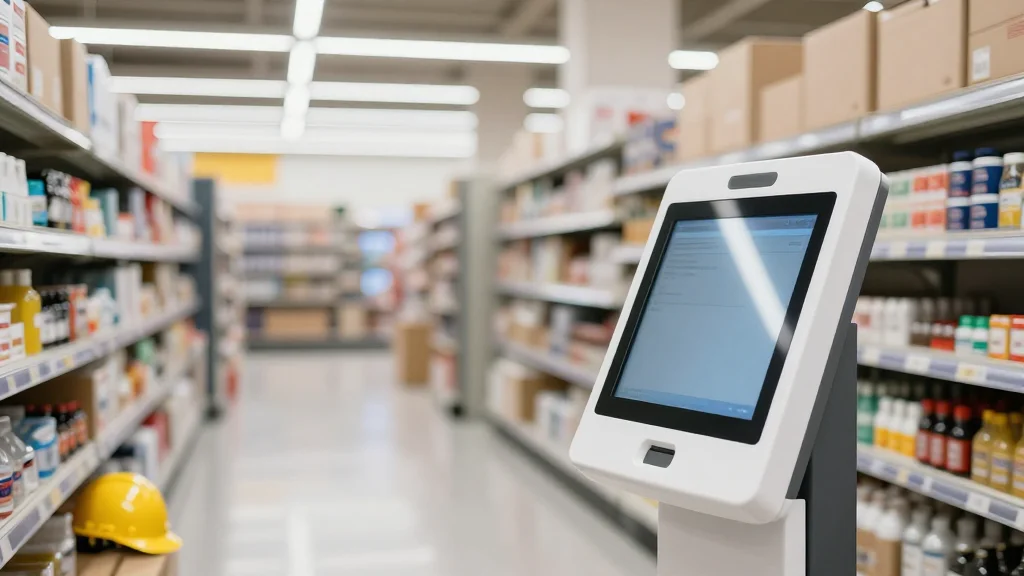
- •New store features include wider aisles, digital touchpoints, expanded pickup/delivery, and upgraded Vision Centers.
- •Walmart and its foundation donated over $84 million to California nonprofits and delivered 39 million pounds of food in the past year.
Pulse Analysis
Walmart’s remodel strategy reflects a broader industry pivot: physical stores are no longer just distribution hubs but experiential platforms that blend online convenience with in‑store immediacy. By widening aisles and adding digital wayfinding, Walmart tackles two persistent pain points—checkout friction and product discoverability—while leveraging its massive scale to negotiate better terms with suppliers for the new product assortments. The $1.1 billion California spend acts as a micro‑cosm for testing these concepts; if the pilot drives measurable lift in same‑store sales, the retailer can justify rolling out similar upgrades in lower‑margin markets.
From a competitive standpoint, Walmart’s aggressive rollout forces rivals to accelerate their own modernization roadmaps. Target’s recent store redesigns and Costco’s limited‑time expansions may now appear insufficient if Walmart can deliver a smoother, faster, and more value‑driven experience. Moreover, the emphasis on pharmacy delivery and GLP‑1 prescriptions taps into a high‑margin health‑care segment that has been a growth engine for Amazon’s PillPack and CVS. Walmart’s ability to integrate these services into its existing footprint could erode market share from pure‑play health retailers.
Looking forward, the success of this program will hinge on execution speed and labor management. Construction delays or staffing shortages could blunt the anticipated sales boost, especially as the retailer navigates a tight labor market. However, if Walmart can synchronize its remodels with its omnichannel strategy—using the refreshed stores as fulfillment nodes for online orders—it may set a new standard for how legacy retailers stay relevant in a digital‑first world.
Walmart to Remodel 650+ Stores and Add 20 New Locations in Nationwide Expansion
Comments
Want to join the conversation?
Loading comments...