What Is Surveillance Pricing and Is It Coming to a Grocery Store Near You?
Companies Mentioned

Why It Matters
If retailers can adjust prices per shopper, it could erode price transparency and give large chains a new lever for profit, prompting regulatory scrutiny that may reshape grocery pricing practices.
Key Takeaways
- •Walmart to install digital shelf labels in 4,600 U.S. stores by year‑end
- •Canadian grocers Loblaw, Metro, Sobeys already use electronic shelf labels nationwide
- •Surveillance pricing uses personal data to set individualized prices, sparking regulatory concern
- •Lawmakers propose bans on algorithmic pricing and require disclosure of facial‑recognition use
- •Instacart ended price‑testing after study showed up to 23% price variance
Pulse Analysis
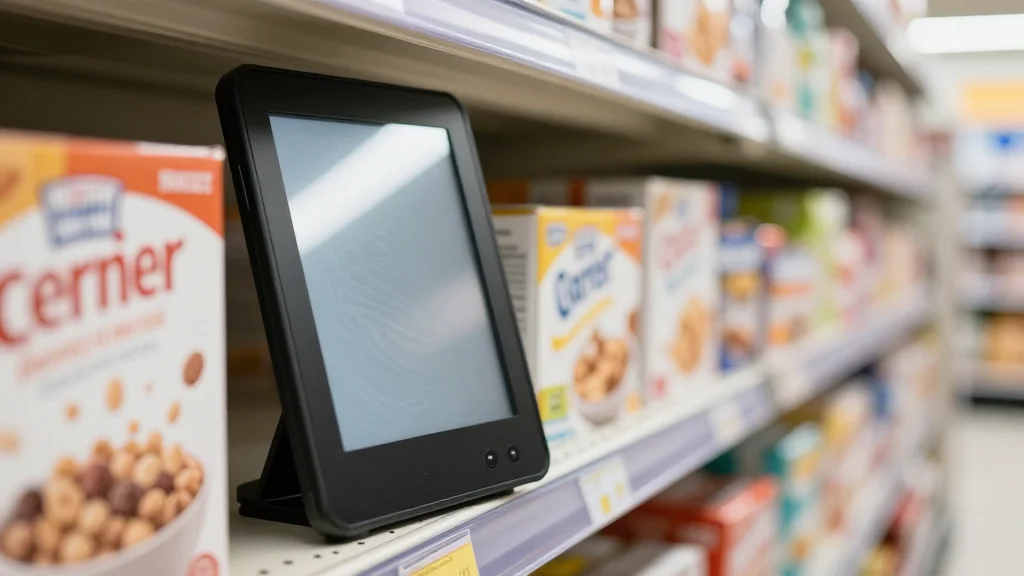
Electronic shelf labels (ESLs) have moved from pilot projects to full‑scale deployments across North America. In Canada, Loblaw, Metro and Sobeys have installed millions of e‑paper tags that can be updated wirelessly, cutting labor costs and ensuring price consistency for promotions. Walmart’s rollout to its 4,600 U.S. stores promises similar efficiency gains, with real‑time price changes that support online order fulfillment and inventory alerts. While retailers tout these operational benefits, the technology also creates a conduit for more sophisticated pricing algorithms.
Surveillance pricing takes the data‑driven capabilities of ESLs a step further, using shoppers’ location, purchase history, or even facial‑recognition cues to calculate individualized prices. A 2024 study by Groundwork Collaborative and Consumer Reports revealed that Instacart’s price‑testing resulted in up to a 23% price gap for identical items, highlighting the potential for profit‑maximizing discrimination. Critics argue that such practices undermine the principle of a single price for all consumers, turning dynamic pricing—normally driven by demand or supply—into a tool for extracting higher margins from vulnerable shoppers.
Policy makers are responding with a mix of legislation and advocacy. The U.S. "Stop Price Gouging in Grocery Stores" bill would bar surveillance pricing and mandate disclosure of any facial‑recognition data collection. In Canada, provincial proposals aim to prohibit algorithmic price discrimination, while labor groups like the UFCW push for stronger competition enforcement. As ESLs become ubiquitous, regulators will need to balance the efficiency gains against the risk of opaque, data‑driven price manipulation, shaping the future of grocery retail pricing.
What is surveillance pricing and is it coming to a grocery store near you?
Comments
Want to join the conversation?
Loading comments...