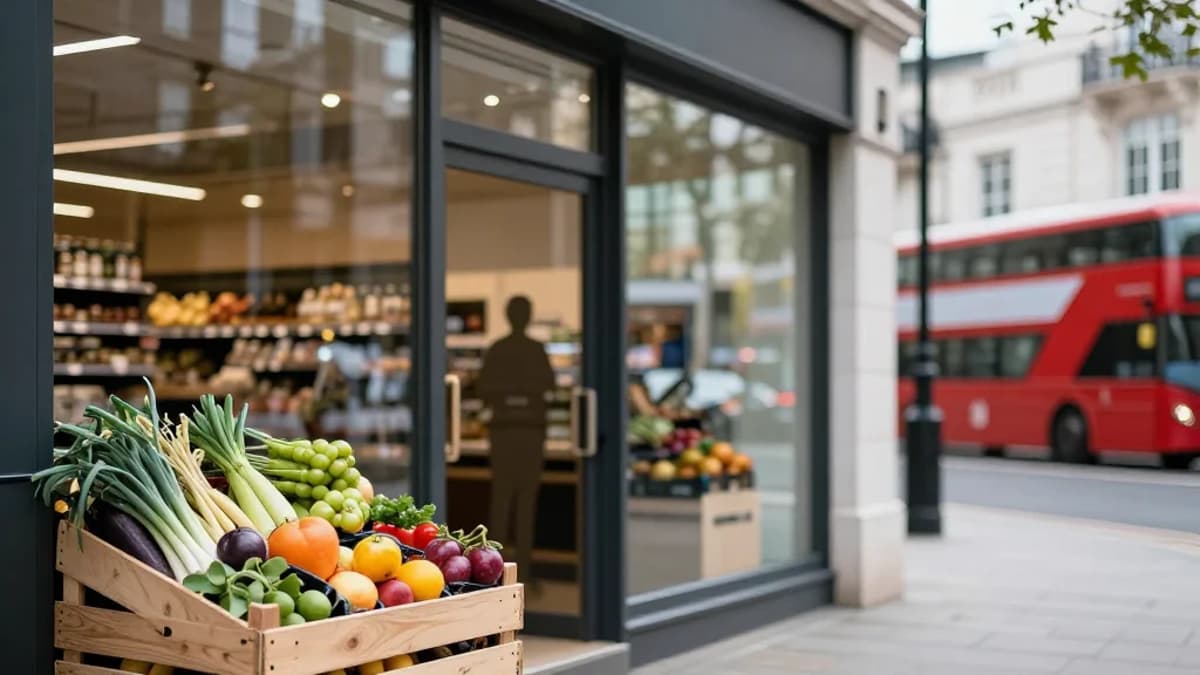
Whole Foods Market Is Opening 6 New London Supermarkets Before Summer 2026
•March 12, 2026
0
Why It Matters
The rollout leverages Amazon's recent retail closures to deepen Whole Foods' premium grocery footprint in a competitive UK market, signalling confidence in consumer demand for organic, convenience‑focused shopping.
Key Takeaways
- •Six new stores open April‑June 2026.
- •Total UK locations rise to twelve.
- •Five sites repurpose former Amazon Fresh spaces.
- •Stores range 3,300‑10,000 sq ft, “Daily Shop” format.
- •Focus on organic, ready‑meal, wellness offerings.
Pulse Analysis
Whole Foods' aggressive London expansion reflects Amazon's broader strategy to repurpose its under‑performing Fresh locations for higher‑margin, brand‑centric retail. By converting five former Amazon Fresh stores, the company not only recoups real‑estate costs but also capitalises on existing supply chains and customer awareness. The timing aligns with a resurgence in premium grocery spending as UK consumers seek healthier, convenient options after pandemic‑induced lifestyle shifts.
The "Daily Shop" concept marks a departure from Whole Foods' traditional large‑format stores, favouring 3,300‑10,000 sq ft footprints designed for dense urban neighbourhoods. These compact formats prioritise ready‑to‑eat meals, quick‑grab snacks, and a curated selection of organic staples, catering to busy professionals and on‑the‑go shoppers. By situating stores on Upper Street, Liverpool Street, Notting Hill Gate, Wood Wharf, Monument and St. James, the chain targets high‑traffic corridors and affluent districts, reinforcing its premium positioning while testing a scalable model for future urban roll‑outs.
Industry analysts view the move as a bellwether for the premium grocery segment, where differentiation hinges on product integrity and experiential convenience. Whole Foods' strict ingredient standards and emphasis on animal‑welfare‑certified meat and responsibly sourced seafood set a high bar for competitors, potentially reshaping supplier negotiations and pricing dynamics. As the UK market tightens, the success of these six locations could dictate whether Whole Foods accelerates further urban penetration or refines its niche strategy amid rising competition from local chains and discounters.
Whole Foods Market is opening 6 new London supermarkets before summer 2026
0
Comments
Want to join the conversation?
Loading comments...