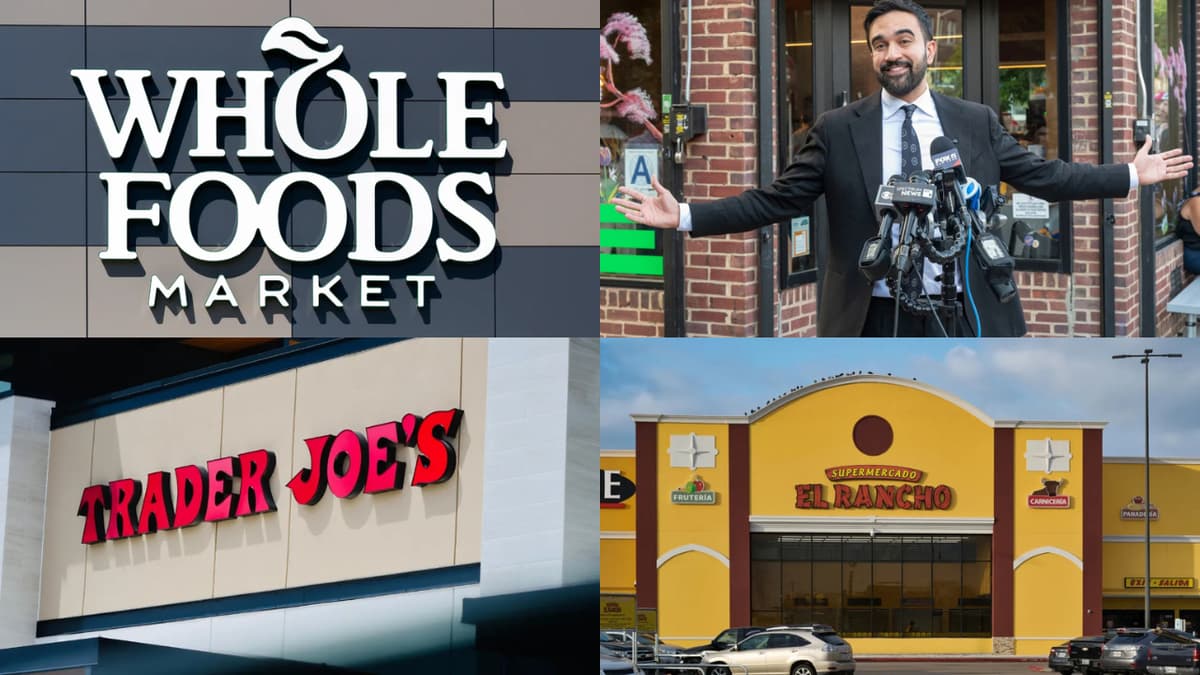
SN Top 10: Will This Unique Whole Foods Pilot Work?
•March 2, 2026
0
Why It Matters
The pilot demonstrates Amazon’s push to merge its e‑commerce logistics with brick‑and‑mortar grocery, potentially reshaping how supermarkets handle non‑core SKUs and deepening Amazon’s market share in food retail.
Key Takeaways
- •QR codes link Whole Foods shoppers to Amazon inventory.
- •Amazon fulfills national brands within minutes for in‑store pickup.
- •Pilot tests blending organic and non‑organic product ecosystems.
- •Competitors evaluating micro‑fulfillment models inspired by this approach.
- •Success could expand Amazon’s grocery footprint beyond existing stores.
Pulse Analysis
The Philadelphia trial reflects Amazon’s broader ambition to blur the lines between online and offline grocery. By embedding QR‑code ordering into the Whole Foods checkout flow, Amazon leverages its massive third‑party catalog without altering the store’s core organic identity. This hybrid approach lets shoppers grab specialty items while still browsing the curated Whole Foods selection, creating a seamless experience that could raise basket size and dwell time. For Amazon, the pilot is a low‑risk laboratory to test fulfillment speed, inventory synchronization, and the impact on store traffic.
From a supply‑chain perspective, the model introduces a micro‑fulfillment node inside an existing retail footprint. Orders are pulled from nearby Amazon fulfillment centers, packaged, and delivered to the store’s pickup counter within minutes, effectively turning the supermarket into a satellite distribution hub. This reduces the need for Whole Foods to stock a wide array of national brands, lowering shelf‑space costs while still meeting consumer demand for familiar products. The data gathered on order frequency, SKU mix, and pick‑time efficiency will inform future scalability and could accelerate the rollout of similar nano‑fulfillment concepts across other grocery chains.
Competitors are taking note. Walmart, Kroger, and regional grocers are already experimenting with in‑store pickup lockers and curbside micro‑fulfillment, but few have integrated a dominant e‑commerce platform directly into the checkout process. If the Whole Foods pilot proves profitable, Amazon may extend the QR‑code ordering capability to its other physical locations, potentially redefining the grocery value chain. For shoppers, the convenience of acquiring both organic staples and mainstream brands in a single trip could shift loyalty toward retailers that blend digital agility with physical convenience, pressuring traditional grocers to innovate or risk losing market share.
SN Top 10: Will this unique Whole Foods pilot work?
0
Comments
Want to join the conversation?
Loading comments...