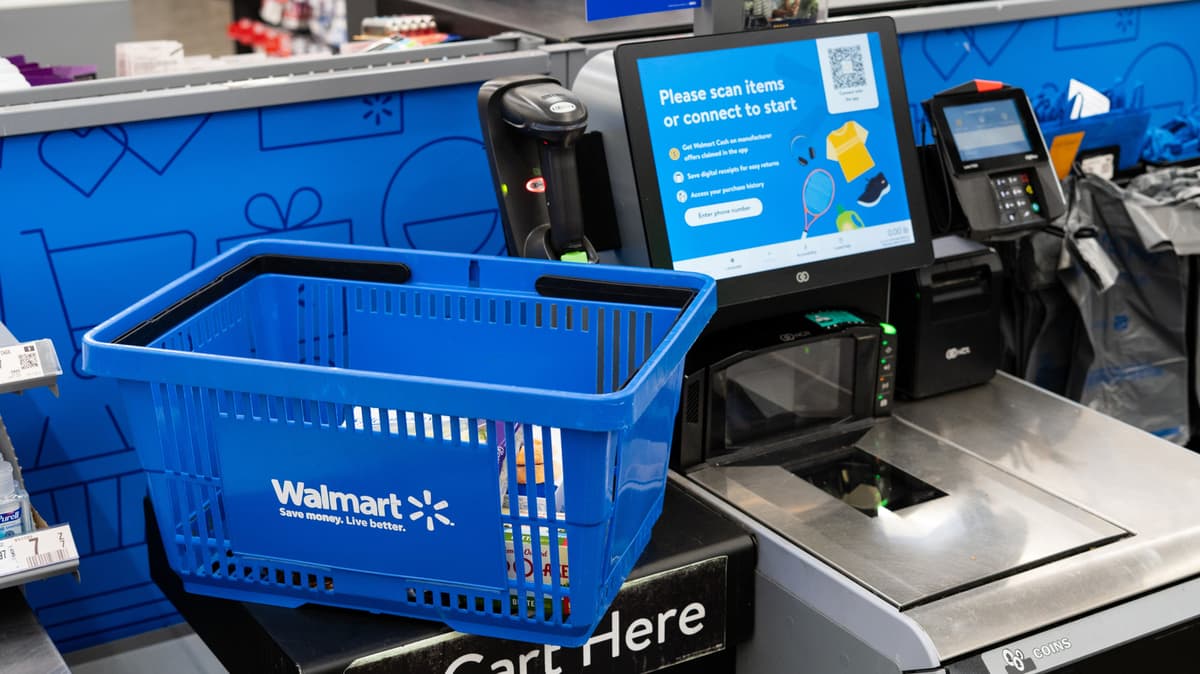
Why Walmart Refuses To Accept Apple Pay Despite Daily Complaints From Customers
Companies Mentioned
Why It Matters
By retaining control over transaction data, Walmart can leverage detailed shopper insights for targeted promotions and operational efficiencies, reinforcing its competitive pricing model. The decision also highlights the trade‑off between customer convenience and data‑driven revenue strategies in retail.
Key Takeaways
- •Walmart blocks Apple Pay to keep transaction data in‑house.
- •Upgrading 5,000 U.S. stores for NFC would cost millions.
- •Walmart Pay and Scan & Go require app download and QR checkout.
- •Canadian stores adopted contactless wallets in 2020 due to demand.
- •Customers tolerate extra steps for Walmart’s low prices and savings.
Pulse Analysis
Walmart’s refusal to adopt Apple Pay is less about technology lag and more about data ownership. By funneling every purchase through its proprietary Walmart Pay and Scan & Go platforms, the retailer captures granular transaction information that can be mined for personalized offers, inventory forecasting, and staffing optimization. This closed‑loop approach not only shields valuable consumer insights from Apple’s ecosystem but also fuels a feedback loop that drives higher basket sizes and repeat visits, reinforcing Walmart’s low‑price promise.
The financial calculus behind the decision is equally compelling. Upgrading nearly 5,000 U.S. locations with NFC‑enabled terminals would likely run into the hundreds of millions of dollars—a capital outlay that offers limited incremental revenue for a chain already achieving record profits. Competitors like Target and Costco have absorbed similar costs, but they also benefit from broader brand ecosystems and higher average transaction values. Walmart instead invests in its own app infrastructure, offering QR‑based checkout that, while less seamless, still delivers a digital experience without the hardware expense.
Customer sentiment remains mixed. Shoppers accustomed to the convenience of tap‑to‑pay voice frustration on social media, yet many accept the extra steps because Walmart’s price leadership outweighs the inconvenience. In Canada, where contactless payments became standard, Walmart adapted quickly, suggesting regional consumer expectations can drive change. For U.S. shoppers, the pressure may mount as mobile wallets become ubiquitous, potentially prompting Walmart to revisit its strategy if the cost‑benefit balance shifts or if data‑driven advantages diminish.
Why Walmart Refuses To Accept Apple Pay Despite Daily Complaints From Customers
Comments
Want to join the conversation?
Loading comments...