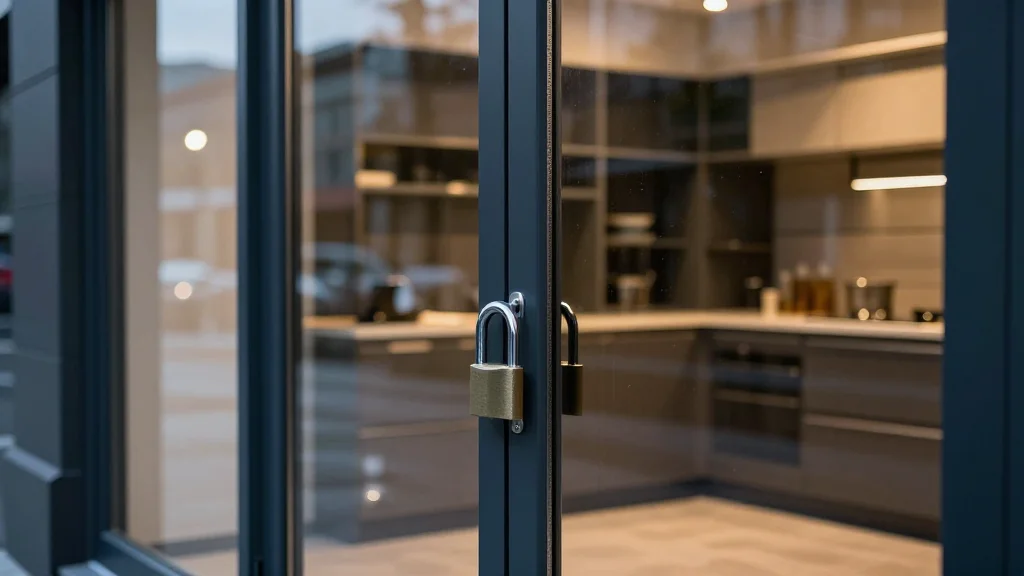
Wren Kitchens Files Chapter 7, Closes All 15 U.S. Stores Amid Housing Slump

Companies Mentioned

Why It Matters
The collapse of Wren Kitchens highlights the vulnerability of mid‑size specialty retailers to macro‑economic headwinds in the home‑improvement space. With housing starts down and consumer confidence wavering, retailers that depend on large‑ticket remodel spending face heightened risk of cash‑flow shortfalls and abrupt shutdowns. The WARN‑Act lawsuit also raises the profile of labor‑law compliance in rapid‑closure scenarios, potentially prompting tighter oversight of layoff notifications across the sector. For Home Depot and other big‑box chains, the loss of Wren’s in‑store studios removes a proven model for driving higher‑margin kitchen‑design sales within their footprint. Competitors may seek to replicate or improve upon that model, accelerating a shift toward integrated design services that blend online configurators with on‑site expertise. The episode could accelerate consolidation as stronger players absorb the market share left behind by struggling niche operators.
Key Takeaways
- •Wren Kitchens filed Chapter 7 bankruptcy on April 24, listing $100‑$500 million in assets.
- •All 15 U.S. retail locations and Home Depot studio partnerships were shut down instantly.
- •A proposed class‑action alleges violation of the WARN Act for failing to give 60‑day layoff notice.
- •Home Depot reported no prior notice of the closures and is assessing customer impact.
- •Customers like Melissa Dethlefsen, who spent $23,000, face uncertain refunds.
Pulse Analysis
Wren Kitchens’ rapid demise is a textbook case of a specialty retailer caught between a contracting housing market and an evolving retail paradigm that favors omnichannel experiences. The company’s strategy of embedding showrooms inside Home Depot stores was innovative, yet it also tethered Wren’s fate to the health of the broader remodel cycle. When housing demand softened, the fixed costs of maintaining 15 East‑Coast locations and a manufacturing plant in Pennsylvania became unsustainable, prompting a Chapter 7 liquidation rather than a restructuring.
Historically, the home‑improvement sector has weathered downturns by leaning on DIY sales and larger‑ticket projects that consumers defer rather than cancel. Wren’s focus on high‑margin, full‑service kitchen installations left it exposed when discretionary spending tightened. The fallout also illustrates a growing regulatory risk: the WARN‑Act lawsuit underscores that rapid closures can attract legal penalties, adding another layer of cost to distressed retailers. Future entrants will likely build more flexible lease structures and maintain stronger cash buffers to avoid similar outcomes.
Looking ahead, Home Depot may double down on its own design services or partner with a more financially resilient brand to fill the studio gap. Meanwhile, consumers and investors will watch how the bankruptcy trustee liquidates Wren’s U.S. assets, which could set a precedent for how niche home‑improvement firms exit the market. The episode serves as a warning that even well‑known niche players cannot rely solely on strategic partnerships to shield them from macro‑economic headwinds.
Wren Kitchens Files Chapter 7, Closes All 15 U.S. Stores Amid Housing Slump
Comments
Want to join the conversation?
Loading comments...