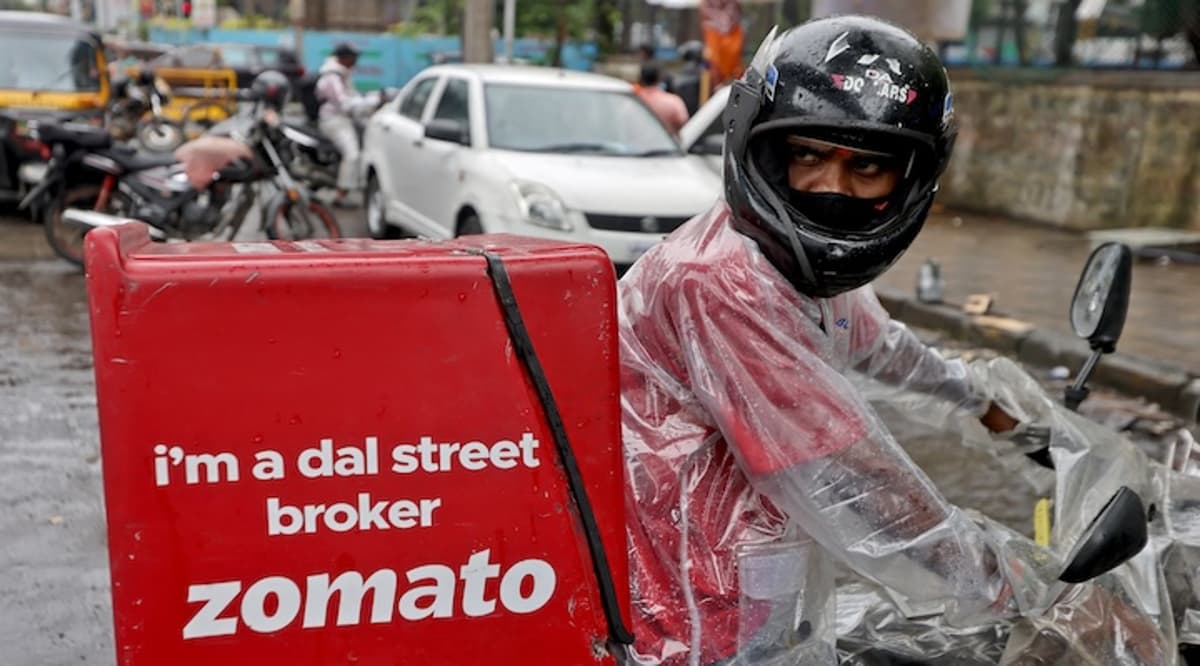
Zomato Adjusts Pricing Clause After Pushback
Companies Mentioned


Why It Matters
Dropping the clause lowers Zomato’s regulatory exposure and restores pricing autonomy for partner restaurants, strengthening its ecosystem in a rapidly expanding market.
Key Takeaways
- •Zomato eliminated “price disparity” fine clause after restaurant backlash.
- •Fine could have been three times the price difference per order.
- •National Restaurant Association called clause anti‑competitive, prompting review.
- •Antitrust experts likened clause to prohibited hotel‑booking terms.
- •India’s food‑services market projected to reach $153 billion by 2031.
Pulse Analysis
Zomato’s decision to scrap the price‑disparity provision reflects a broader shift in India’s gig‑economy platforms toward more flexible partner agreements. The clause, originally designed to prevent restaurants from undercutting the app’s listed prices, threatened to impose fines up to three times the price gap per order. While never actively applied, its mere presence signalled a top‑down control over restaurant pricing, a practice that runs counter to the market‑driven dynamics that many eateries rely on to attract walk‑in diners and manage margins.
The move also eases antitrust pressure that has been mounting on Indian digital marketplaces. Recent investigations have flagged similar restrictive clauses in hotel‑booking sites, leading regulators to demand their removal. Legal analysts warned that Zomato’s clause could have been deemed a violation of competition law, especially given the 2024 probe that found both Zomato and Swiggy breaching competition norms. By eliminating the clause, Zomato pre‑emptively mitigates the risk of costly litigation and regulatory sanctions, aligning its contracts with emerging legal expectations.
For the food‑delivery ecosystem, the change could improve partner relations and foster a more collaborative environment. Restaurants regain full discretion over dine‑in and direct‑delivery pricing, potentially boosting their profitability and willingness to list on the platform. As India’s food‑services market is projected to swell to $153 billion by 2031, platforms that balance scale with partner autonomy are likely to capture greater market share. Zomato’s proactive adjustment positions it to capitalize on this growth while avoiding the pitfalls of restrictive contractual practices.
Zomato adjusts pricing clause after pushback
Comments
Want to join the conversation?
Loading comments...