Key Takeaways
- •LapSurgie enables teleoperated laparoscopic surgery using a humanoid robot.
- •Inverse‑mapping respects remote‑center‑of‑motion constraints for off‑the‑shelf tools.
- •No operating‑room modifications needed, easing deployment in low‑resource hospitals.
- •User study showed comparable precision to conventional robotic platforms.
- •Humanoid approach could lower cost barriers for remote surgical care.
Pulse Analysis
Robotic laparoscopic surgery has become a hallmark of modern operating rooms, offering enhanced precision, reduced patient trauma, and faster recovery times. Yet the high capital expense of dedicated surgical robots—often exceeding $2 million—has confined their use to affluent medical centers, leaving rural and low‑resource hospitals without access to these advances. The resulting disparity fuels a broader conversation about how to democratize cutting‑edge surgical care without sacrificing safety or efficacy.
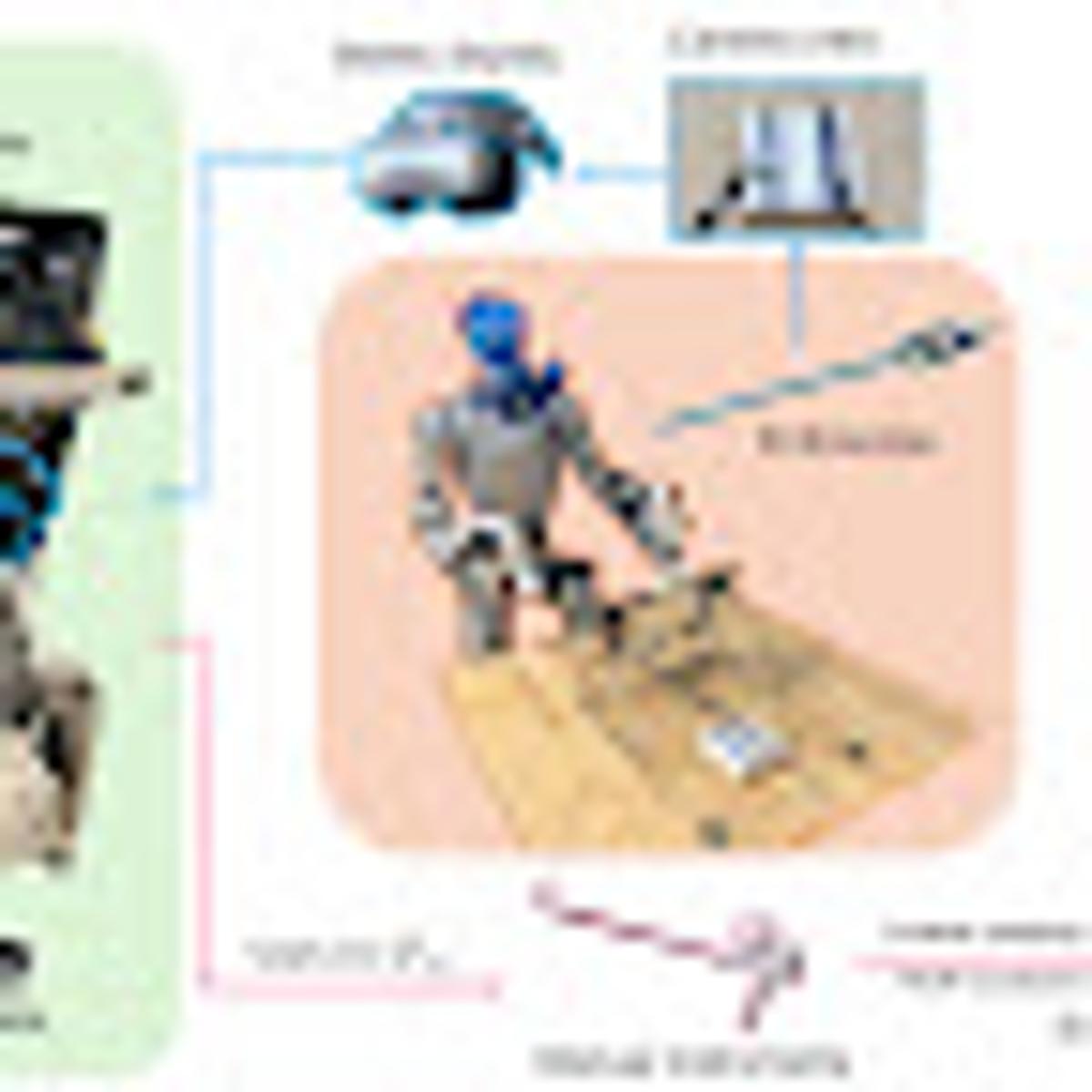
LapSurgie tackles this challenge by repurposing a humanoid robot as a surgical assistant. Instead of building a bespoke robotic arm, the researchers employ an inverse‑mapping strategy that translates a surgeon’s wrist motions into tool movements while honoring the remote‑center‑of‑motion geometry essential for laparoscopic instruments. This approach lets clinicians use standard, off‑the‑shelf laparoscopes and hand‑held tools, eliminating the need for costly, custom‑engineered interfaces. A stereo‑vision console delivers high‑definition, three‑dimensional feedback, enabling precise hand‑to‑tool control from a remote console. The system’s modularity means it can be deployed in any operating room that already accommodates human staff, sidestepping extensive infrastructure upgrades.
The broader implications are significant. By lowering both hardware costs and installation complexity, humanoid‑based platforms like LapSurgie could accelerate the diffusion of minimally invasive surgery into community hospitals, telemedicine networks, and disaster‑relief settings. Early user studies suggest performance on par with traditional robotic systems, hinting at a viable pathway to scale. Future work will need to address regulatory approval, surgeon training, and long‑term reliability, but the framework establishes a compelling proof‑of‑concept that could reshape how surgical robotics are adopted worldwide.
Article intro - Humanoid for MIS
Comments
Want to join the conversation?