Key Takeaways
- •JnJ's OTTAVA system shows positive clinical outcomes
- •Sentante's platform receives CE marking for endovascular surgery
- •Medtronic files 510(k) to expand Hugo RAS into new specialties
- •Ezmedibot wins 2026 Innovative Medical Device support project
- •Olympus pushes robotic GI surgery with new leadership insights
Pulse Analysis
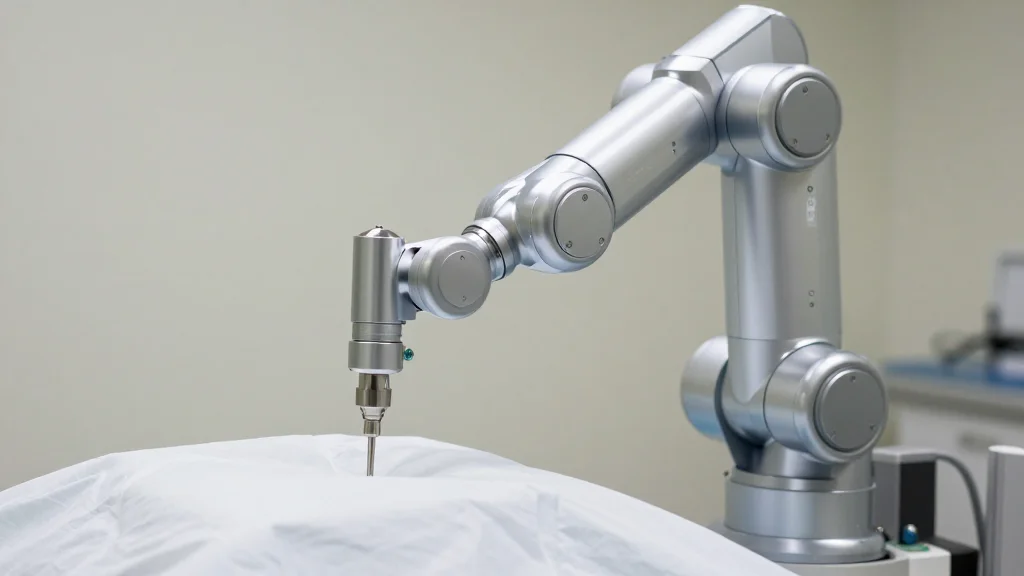
Regulatory milestones are rapidly reshaping the surgical robotics landscape. Johnson & Johnson’s OTTAVA system recently reported favorable clinical data, reinforcing confidence in robot‑assisted procedures for complex surgeries. Simultaneously, Sentante secured a CE mark for its endovascular platform, granting it access to the European market, while Medtronic’s 510(k) filing aims to extend the Hugo RAS system into general and gynecologic specialties in the United States. These approvals not only validate the technology’s safety and efficacy but also open revenue streams for manufacturers seeking to capture a larger share of the growing minimally invasive surgery market.
Competitive dynamics are intensifying as firms vie for leadership in niche applications. Ezmedibot’s selection for the 2026 Innovative Medical Device Full‑Lifecycle Technical Support project highlights the rising importance of integrated support services in device adoption. Olympus, through executive Keith Boettiger, is emphasizing robotic gastrointestinal surgery, signaling a strategic shift toward expanding its robotic portfolio beyond traditional specialties. Meanwhile, industry awards and voting platforms are fostering brand visibility and peer recognition, further differentiating companies in a crowded field.
The talent pipeline and collaborative ecosystems are equally critical to sustaining innovation. New PhD and postdoctoral positions focused on AI‑driven robot‑assisted surgery underscore the sector’s demand for advanced computational expertise. Competitions like BioRob 2026 encourage breakthroughs in dexterous manipulation, while community voting for the Surgical Robotics Industry Awards amplifies stakeholder engagement. Together, these initiatives cultivate a skilled workforce and accelerate technology transfer, ensuring that the next generation of surgical robots will be more intelligent, precise, and widely adopted.
CIS news
Comments
Want to join the conversation?