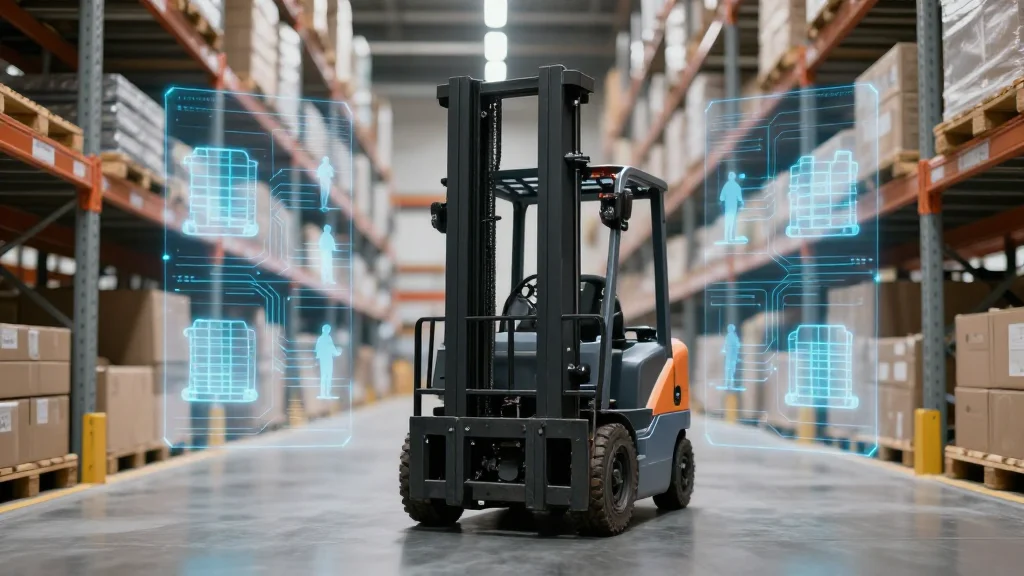
Digital Twins and the New Warehouse Reality
Key Takeaways
- •Digital twins simulate warehouse changes without disrupting operations.
- •Enable safe testing of robot deployments and layout redesigns.
- •Provide 360-degree visibility into material flow and staffing needs.
- •Accelerate decision‑making by visualizing ripple effects of disruptions.
- •Build a data‑driven knowledge base for continuous improvement.
Pulse Analysis
Warehouse operators have long wrestled with the choreography of forklifts, pickers, and scanners, where a single mis‑placed pallet can cascade into lost productivity. As e‑commerce volumes surge and labor shortages tighten, managers demand tools that reveal hidden bottlenecks before they materialize. Digital twins answer that call by creating a live, virtual replica of the facility that ingests CAD layouts, inventory data, and historical throughput. This unified model mirrors real‑time conditions, allowing planners to watch the entire floor from a single dashboard and anticipate the impact of any tweak.
With a digital twin, warehouse leaders can run “what‑if” scenarios in a risk‑free sandbox. They can test autonomous mobile robot routes, evaluate new shelving configurations, or model a supplier delay and instantly see how each change ripples through order‑picking cycles. The simulation also serves as a training ground for robots, where machine‑learning algorithms refine navigation strategies before the hardware touches the concrete. By exposing inefficiencies early, firms cut capital waste, reduce downtime, and boost labor productivity, turning speculative projects into data‑backed decisions.
Adopting digital twins is becoming a competitive differentiator in the logistics sector. Companies that embed the twin into continuous improvement cycles can forecast seasonal spikes, justify equipment purchases, and align staffing levels with real demand, thereby protecting margins in volatile markets. Moreover, the data‑rich environment nurtures cross‑functional collaboration, as engineers, floor supervisors, and executives all reference the same visual narrative. As supply chains grow more complex, the ability to iterate virtually before committing physical resources will define the next generation of agile, high‑throughput warehouses.
Digital twins and the new warehouse reality
Comments
Want to join the conversation?