
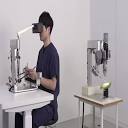
Why It Matters
The breakthrough proves autonomous robotics can safely handle intricate spinal tasks, accelerating adoption across hospitals and reshaping the surgical device market. It also signals heightened competition among med‑tech firms to deliver AI‑driven operating room solutions.
Key Takeaways
- •NewDawn robot completed autonomous ex vivo spinal surgery
- •First public demonstration of AI-driven endoscopic surgery
- •Platform integrates AI vision with robotic precision
- •Showcased at 17th Chinese Orthopaedic Association congress
- •Marks shift toward autonomous surgical procedures worldwide
Pulse Analysis
Artificial intelligence is rapidly moving from decision‑support tools to hands‑on execution in the operating room. While AI‑assisted imaging and navigation have been standard for years, the NewDawn platform pushes the envelope by allowing a robot to perform a complete spinal procedure without direct surgeon manipulation. This leap mirrors advances in other high‑risk domains such as autonomous vehicles, where safety, reliability, and regulatory approval are paramount. By showcasing the technology at a major orthopaedic congress, Great Robotics has effectively validated its system in front of a critical audience of clinicians and policymakers.
The NewDawn system fuses high‑resolution endoscopic cameras with deep‑learning algorithms that identify vertebral anatomy, differentiate tissue types, and plan optimal instrument trajectories. Robotic arms then execute micro‑movements with sub‑millimeter accuracy, while real‑time feedback loops adjust for any deviation. The ex vivo spinal model demonstrated not only the robot’s technical competence but also its ability to adapt to variable anatomical conditions, a key hurdle for autonomous surgery. Such integration of AI perception and precise actuation positions NewDawn as a potential game‑changer for minimally invasive spine procedures, which traditionally demand lengthy operating times and highly skilled surgeons.
Industry analysts see this milestone as a catalyst for broader investment in autonomous surgical platforms. Hospitals facing surgeon shortages and rising procedural costs may adopt AI‑driven robots to improve throughput and outcomes. However, regulatory pathways remain complex; agencies will require extensive clinical data to certify safety. As more players enter the space, competition will drive faster innovation, lower prices, and potentially new reimbursement models. The NewDawn debut thus not only showcases a technical achievement but also heralds a shift toward a new era of AI‑centric healthcare delivery.
Flickstop
0
Comments
Want to join the conversation?
Loading comments...