
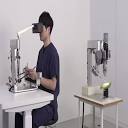
Why It Matters
Remote robotic surgery expands access to specialist expertise, reducing patient travel and hospital costs while reshaping surgical service models.
Key Takeaways
- •Robotic telesurgery links hospitals via high‑speed internet
- •Six‑armed robot enables complex minimally invasive procedures
- •SSI Mantra 3 system validated for hernia repair
- •Remote surgery cuts patient travel time and costs
- •Networked ORs accelerate adoption of digital health
Pulse Analysis
The convergence of advanced robotics and high‑bandwidth connectivity is redefining operating rooms. Platforms like Ottava’s six‑armed robot and the SSI Mantra 3 system demonstrate that precise, multi‑instrument manipulation can be performed from a distant site without sacrificing dexterity. By leveraging fiber‑optic or 5G links, hospitals can share surgical expertise across geographic boundaries, turning isolated facilities into extensions of major academic centers.
Clinically, remote telesurgery has moved beyond experimental trials to real‑world applications, as evidenced by the successful transabdominal preperitoneal hernia repair performed between Dharan Hospital and Prashanth Hospital. This procedure proved that latency can be managed, and that surgeons can maintain tactile feedback and visual fidelity through modern imaging pipelines. The ability to conduct such operations remotely opens pathways for underserved regions to receive specialist care without the need for patient relocation.
From a business perspective, the rise of networked robotic surgery creates new revenue streams for technology vendors, telecom providers, and healthcare systems. Hospitals can monetize their robotic assets by offering remote surgical services, while telecom firms gain contracts for dedicated, low‑latency connections. Regulatory bodies are also adapting, establishing standards for data security, patient consent, and cross‑jurisdictional licensing, which will shape the scalability of this emerging market.
Flickstop
0
Comments
Want to join the conversation?
Loading comments...