Why It Matters
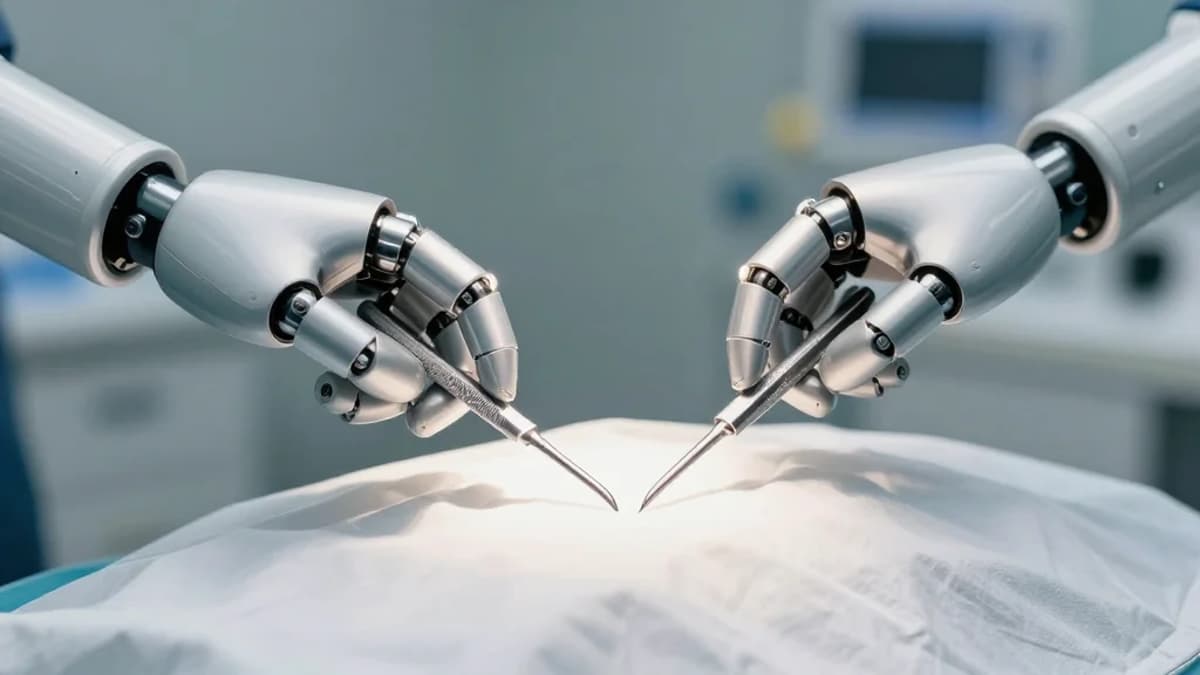
The virtual RCM capability brings surgical robots closer to real‑world operating room deployment, potentially reducing patient trauma and expanding MIS applications. It signals a shift toward more versatile, humanoid‑like assistants that could reshape surgical workflows.
Key Takeaways
- •Humanoid robots may enter future operating rooms
- •Virtual RCM achieved on Rainbow Robotics RB‑Y1
- •Collaboration links Samsung Medical Center and Rainbow Robotics
- •Bimanual mobile robots enhance minimally invasive surgery
- •Research moves toward clinical trials soon
Pulse Analysis
Surgical robotics has evolved from bulky, single‑arm systems to agile platforms that mimic human hands, driven by the demand for finer control in minimally invasive surgery (MIS). Industry analysts project the global market to exceed $15 billion by 2030, with hospitals seeking solutions that reduce incision size, shorten recovery, and lower costs. The emergence of bimanual, mobile robots addresses a long‑standing limitation—simultaneous manipulation of multiple instruments—while preserving the surgeon’s tactile feedback and decision‑making authority.
The recent collaboration between Samsung Medical Center, Minho Hwang, and Rainbow Robotics showcases a concrete technical leap: a virtual remote center of motion (RCM) integrated into the RB‑Y1 robot. By decoupling the robot’s pivot point from its physical base, the virtual RCM allows the instrument tip to rotate around a fixed entry point without imposing mechanical constraints, enhancing maneuverability inside the patient’s body. This achievement not only validates the underlying control algorithms but also demonstrates that a humanoid‑style, six‑armed robot can maintain the precision required for delicate procedures such as laparoscopic suturing and tissue dissection.
If clinical trials confirm safety and efficacy, the technology could accelerate adoption of humanoid surgical assistants across specialties, from orthopedics to neurosurgery. Hospitals would benefit from reduced operating times and expanded procedural capabilities, while manufacturers gain a differentiated product line that competes with established platforms like da Vinci. Regulatory pathways are becoming clearer for AI‑enhanced devices, positioning this virtual‑RCM robot to navigate approval processes more swiftly. Ultimately, the convergence of bimanual mobility, virtual RCM control, and institutional partnerships may redefine the operating room landscape within the next five years.
Friday fun
0
Comments
Want to join the conversation?
Loading comments...