
Why It Matters
Applying a mobile quadruped to surgery could expand robotic assistance in operating rooms, addressing surgeon shortages and enhancing procedural precision. It signals a broader convergence of robotics and healthcare markets.
Key Takeaways
- •Unitree G1 robot trained for console surgery
- •Demonstrates quadruped adaptability beyond logistics
- •Potential to reduce surgical staffing shortages
- •Highlights AI-driven precision in medical procedures
- •Signals new market for robotics in healthcare
Pulse Analysis
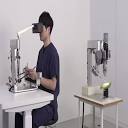
The Unitree G1, originally designed for industrial inspection and logistics, is now stepping onto the surgical stage. By pairing its agile locomotion with a console‑based control interface, developers aim to replicate the dexterity of a human surgeon while leveraging the robot’s stability and repeatability. This crossover reflects a growing trend where manufacturers repurpose existing platforms for high‑stakes environments, accelerating development cycles and reducing R&D costs.
Training the G1 as a console surgeon involves sophisticated machine‑learning models that translate a surgeon’s hand movements into coordinated leg and arm motions. Real‑time sensor feedback, haptic cues, and low‑latency communication ensure the robot can respond to dynamic tissue interactions. Early trials focus on routine procedures, where precision and consistency are paramount, allowing the system to demonstrate safety benchmarks before tackling more complex surgeries. The integration of AI not only refines motion accuracy but also enables predictive adjustments that can mitigate human error.
From a business perspective, this venture opens a lucrative frontier for robotics firms. Healthcare providers are actively seeking solutions to mitigate workforce gaps and improve patient outcomes, creating a sizable market for surgical automation. Successful deployment could drive new revenue streams for Unitree, attract strategic partnerships with medical device companies, and stimulate regulatory frameworks for robot‑assisted surgery. As the technology matures, we can expect a ripple effect across related sectors, from telemedicine to remote emergency care, reshaping how and where surgical expertise is delivered.
Friday fun
0
Comments
Want to join the conversation?
Loading comments...