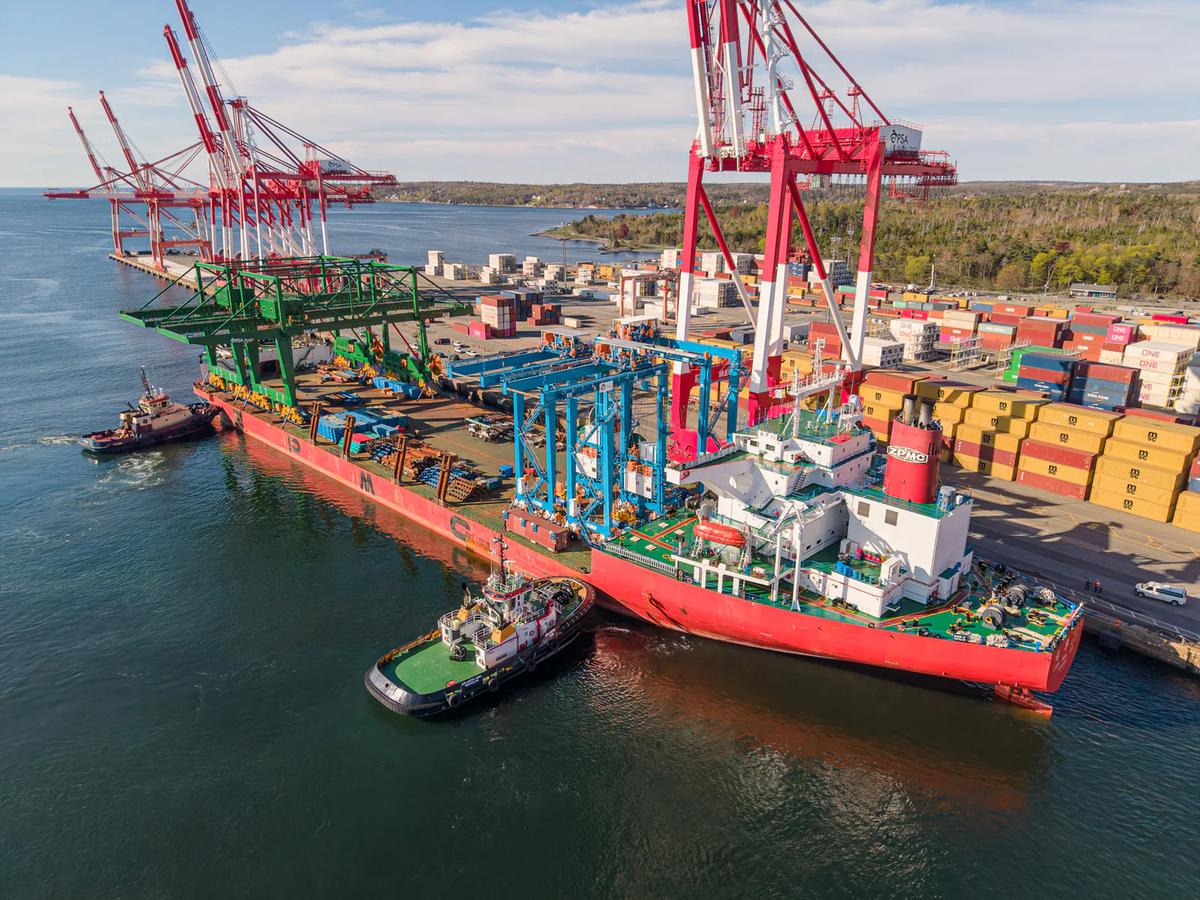
Port of Halifax Introduces First Electric Remotely Operated Rail Cranes
Key Takeaways
- •First remotely operated electric cranes in Halifax’s container yards.
- •Centralized control eliminates work at height, enhancing worker safety.
- •Expected 640 tonnes CO₂ reduction annually.
- •Up to 75% of truck trips could shift to rail.
- •Supports full‑container trains to Toronto, Montreal, and beyond.
Pulse Analysis
The Port of Halifax’s rollout of electric rail‑mounted gantry (RMG) cranes marks a significant step toward automation in North American terminals. Unlike traditional diesel‑powered yard cranes, these units are powered by electricity and steered from a centralized control room, removing the need for operators to climb ladders or work in sub‑zero conditions common on the Atlantic coast. Remote operation not only raises safety standards but also aligns with a broader industry push for digital twins and real‑time data integration, allowing terminal managers to optimize container moves with millisecond precision.
The environmental upside is equally compelling. PSA Halifax estimates the new cranes will cut carbon emissions by at least 640 tonnes each year, a tangible contribution toward Canada’s net‑zero targets for the transportation sector. By shifting container handling from trucks to rail, the project aims to eliminate up to three‑quarters of truck traffic that currently clogs Halifax’s arterial roads. Reduced diesel burn translates into lower local air pollutants, while the electrified equipment can draw power from the province’s growing renewable mix, further amplifying the sustainability dividend.
Strategically, the expanded rail capacity strengthens the Atlantic Hub as a gateway for inter‑modal freight destined for Toronto, Montreal and other inland markets. Full‑container trains can now run more reliably, shortening dwell times and lowering logistics costs for shippers. The initiative, funded through the Inter‑Terminal Rail Solution Project and supported by Transport Canada, positions Halifax to compete with larger East Coast ports that are also investing in green infrastructure. As supply‑chain resilience remains a priority post‑pandemic, the port’s blend of safety, efficiency and carbon‑reduction technologies could become a model for other Canadian terminals.
Port of Halifax introduces first electric remotely operated rail cranes
Comments
Want to join the conversation?