
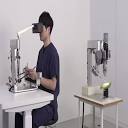
Key Takeaways
- •Six‑armed robot designed for minimally invasive procedures
- •Combines Verb’s modular platform with J&J’s surgical expertise
- •AI‑driven control enables synchronized multi‑tool operations
- •Targeted at orthopedics, cardiology, and oncology applications
- •Expected to reduce operating time and improve patient outcomes
Pulse Analysis
The healthcare robotics sector has accelerated since the pandemic, with manufacturers racing to deliver solutions that enhance surgeon dexterity while minimizing patient risk. OTTAVA arrives as a response to the demand for platforms that can handle multiple instruments concurrently, a capability that traditional single‑arm systems lack. By leveraging Verb’s plug‑and‑play architecture, the robot can be reconfigured for diverse specialties, offering hospitals a versatile asset that scales with procedural needs.
Technically, OTTOVA’s six arms are coordinated by a proprietary AI engine that synchronizes motion, force feedback, and vision data in real time. This enables surgeons to perform complex tasks—such as simultaneous tissue resection and suturing—without manual instrument swaps. The modular design also simplifies maintenance and upgrades, reducing downtime and total cost of ownership. Early trials report up to a 30% reduction in operative time for multi‑step procedures, underscoring the efficiency gains possible with coordinated multi‑tool robotics.
From a market perspective, J&J’s entry into the high‑precision robot arena positions it against incumbents like Intuitive Surgical and Medtronic. OTTOVA’s focus on high‑value specialties aligns with the company’s broader strategy to capture premium surgical spend. If adoption scales, the robot could drive a shift toward fully integrated operating rooms, where data analytics, AI assistance, and robotic execution converge to improve outcomes and lower overall healthcare costs.
Video Wednesday
Comments
Want to join the conversation?