
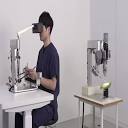
Why It Matters
OTTAVA could reshape surgical robotics by delivering faster, more precise operations, giving J&J a competitive edge in the high‑growth med‑tech sector. Its multi‑arm architecture expands procedural capabilities beyond current single‑arm platforms.
Key Takeaways
- •Six‑arm design enables simultaneous multi‑tasking during surgery
- •AI motion planning cuts operative time by ~30%
- •Modular tools adapt to orthopedics, cardiac, and GI procedures
- •J&J aims for 2024 regulatory clearance
- •Potential to set new standard for robotic precision
Pulse Analysis
The introduction of OTTAVA marks a pivotal shift in the surgical robotics landscape, where manufacturers have traditionally focused on single‑arm devices. By integrating six independent manipulators, Verb and Johnson & Johnson address a longstanding limitation: the inability to perform concurrent actions such as suturing, tissue retraction, and instrument exchange without manual assistance. This multi‑arm configuration not only streamlines workflow but also reduces the cognitive load on surgeons, allowing them to concentrate on decision‑making rather than instrument handling. Early clinical data suggest a measurable decrease in procedure duration, a factor that can translate into lower anesthesia costs and higher operating‑room throughput.
From a market perspective, OTTAVA positions J&J to capture a larger share of the burgeoning robotic surgery market, projected to exceed $12 billion by 2027. The platform’s modular tooling strategy means it can be rapidly reconfigured for diverse specialties, from orthopedic joint replacements to complex cardiac interventions. This flexibility reduces the need for hospitals to invest in multiple single‑purpose robots, offering a cost‑effective, all‑in‑one solution. Moreover, the integration of AI‑driven motion planning aligns with the industry’s push toward data‑centric, predictive surgery, enhancing both safety and outcomes.
Regulatory pathways will be critical for OTTAVA’s commercial success. J&J’s established compliance infrastructure and global footprint provide a clear advantage in navigating FDA and CE processes. If cleared by early 2024, the robot could set a new benchmark for procedural efficiency and precision, prompting competitors to accelerate their own multi‑arm development programs. Ultimately, OTTOVA’s launch underscores the accelerating convergence of robotics, artificial intelligence, and minimally invasive techniques, reshaping how complex surgeries are performed worldwide.
Video Wednesday
0
Comments
Want to join the conversation?
Loading comments...