Key Takeaways
- •Neuralink's robot inserts thousands of electrodes per surgery
- •Threads are ultra‑fine, flexible, and navigate brain vasculature
- •Real‑time motion adaptation reduces tissue damage risk
- •Potential accelerates brain‑computer interface commercialization
Pulse Analysis
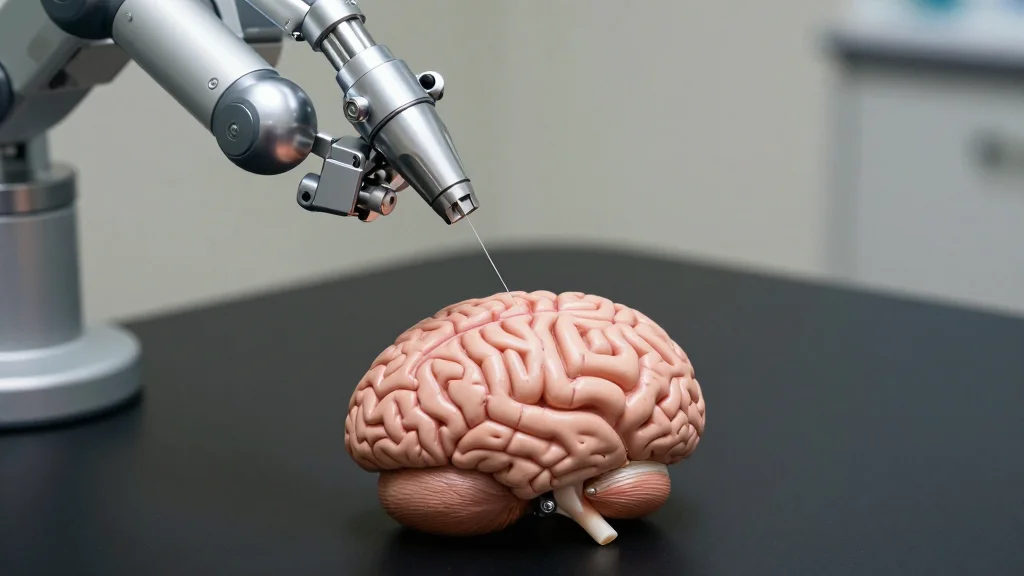
Neuralink’s latest robotic platform represents a leap in neurosurgical automation, marrying micro‑fabrication with advanced control algorithms. By threading ultra‑fine, flexible filaments that house thousands of recording sites, the system achieves unprecedented electrode density while preserving vascular integrity. Real‑time motion compensation ensures the device tracks subtle brain shifts, a critical factor for chronic implant stability. This combination of precision and adaptability addresses long‑standing challenges in scaling brain‑computer interfaces, moving the technology from experimental labs toward therapeutic reality.
The commercial implications are profound. High‑throughput, low‑risk implantation could attract major medical device investors and expedite FDA clearance pathways, especially as the device aligns with minimally invasive surgery trends. Competitors such as Synchron and Paradromics are also racing to commercialize BCI solutions, but Neuralink’s integrated robot‑hardware approach may offer a cost advantage by reducing operative time and personnel requirements. Moreover, the ability to densely map neural activity opens new revenue streams in neuro‑rehabilitation, cognitive enhancement, and data‑driven neuroscience research.
Looking ahead, the robot could serve as a platform for iterative upgrades, incorporating AI‑driven targeting and closed‑loop stimulation. As the neurotechnology ecosystem matures, regulatory bodies will likely develop specialized frameworks, and early movers like Neuralink stand to shape those standards. The broader societal impact includes potential treatments for paralysis, neurodegenerative diseases, and mental health disorders, positioning the company at the nexus of healthcare innovation and next‑generation human‑machine interfaces. Confidence in the content’s quality is high.
Video Wednesday
Comments
Want to join the conversation?