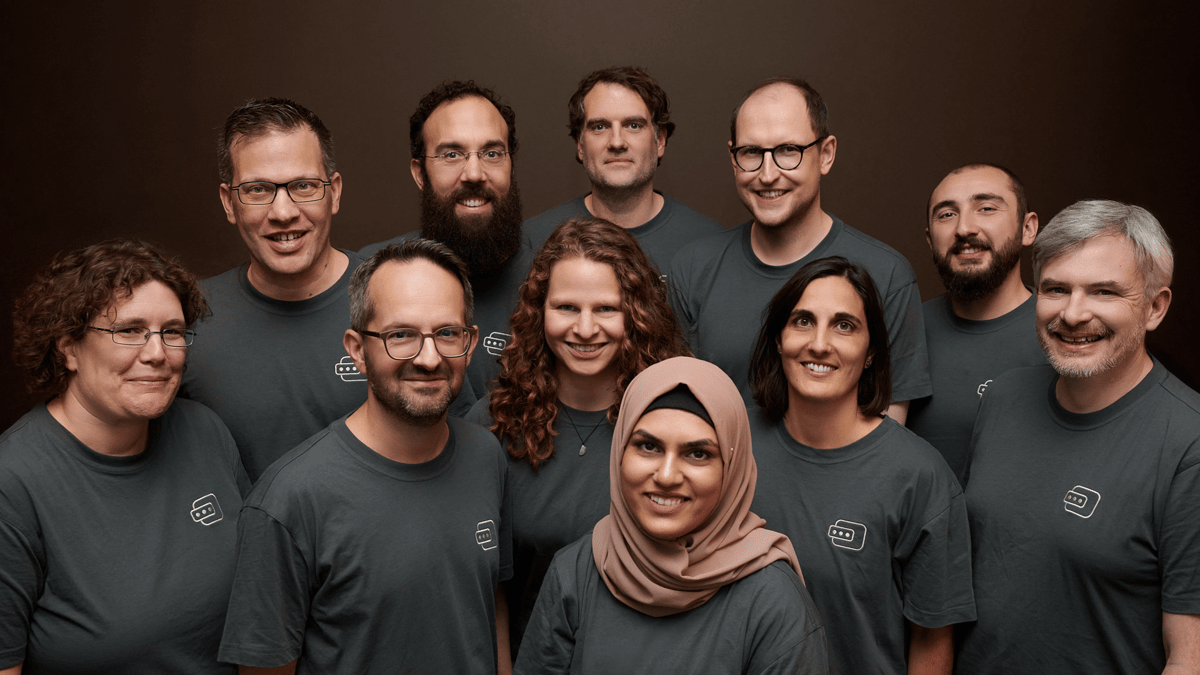
NEOintralogistics Raises €3M Seed Round Led by Amadeus APEX Technology Fund
•January 20, 2026
•Jan 20, 2026
0
Participants


Why It Matters
The shift to a usage‑based model lowers financial barriers, enabling broader adoption of warehouse automation and boosting productivity across the intralogistics sector.
Key Takeaways
- •€3M seed round led by Amadeus APEX
- •Pay‑per‑pick model converts capex to opex
- •Deployment within weeks, no warehouse redesign needed
- •Serves both brownfield and greenfield warehouse projects
- •Partners include Magazino, Jungheinrich, GLS, BITO
Pulse Analysis
Warehouse automation has long promised cost savings, yet high upfront investment has kept many mid‑size operators on the manual side. Recent years have seen a gradual move toward subscription‑style models in industrial tech, mirroring trends in cloud computing and software. This evolution reflects a broader industry desire for flexible, outcome‑based spending that aligns costs with realized efficiency gains, reducing risk for businesses hesitant to lock capital into fixed assets.
NEOintralogistics leverages that momentum with a robotics‑as‑a‑service platform that charges per pick rather than per robot. Its system integrates with existing shelving, sidestepping the need for extensive retrofits or new warehouse layouts. By delivering a turnkey solution that can be operational within weeks, the company shortens the traditional months‑long rollout cycle, allowing customers to capture productivity improvements almost immediately. The pay‑per‑pick structure also provides transparent ROI metrics, making it easier for finance teams to justify automation projects.
The €3 million seed injection underscores investor confidence that RaaS can democratize intralogistics. Backers such as Amadeus APEX see the model as a catalyst for scaling automation beyond the largest players, potentially reshaping labor dynamics as reliance on manual picking declines. As NEOintralogistics expands its engineering team and deepens partnerships with firms like Magazino and Jungheinrich, the market may witness accelerated adoption of modular, service‑oriented robotics, driving competitive pressure for traditional equipment manufacturers to rethink their pricing and deployment strategies.
Deal Summary
German robotics-as-a-service provider NEOintralogistics closed a €3 million seed funding round, led by Amadeus APEX Technology Fund with participation from Cetus Holding. The capital will fund commercial expansion, product development, and team growth to democratise warehouse automation via a pay‑per‑pick RaaS model.
0
Comments
Want to join the conversation?
Loading comments...