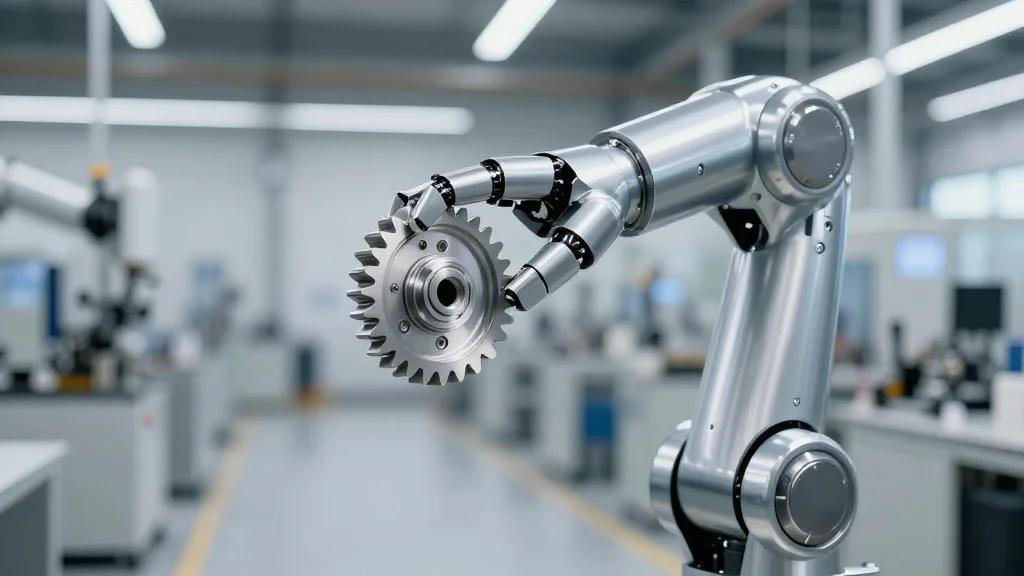
1X Technologies Launches Full‑Scale Production of NEO Humanoid Robots in California

Companies Mentioned
Why It Matters
The launch of a U.S. mass‑production line for humanoid robots marks a turning point for the domestic robotics ecosystem. By localizing manufacturing, 1X reduces dependence on overseas parts, shortens supply chains and potentially lowers the price barrier for consumers, accelerating the adoption of service robots in everyday life. Beyond pricing, the integration of NVIDIA’s Jetson Thor AI platform demonstrates how high‑performance edge computing is becoming a prerequisite for safe, real‑time human‑robot interaction. This convergence could spur further investment in AI‑optimized hardware, shaping the next wave of intelligent, affordable robots for homes and workplaces.
Key Takeaways
- •1X opened a 58,000‑sq‑ft factory in Hayward, CA for NEO humanoid production
- •Factory uses a vertically integrated "factory OS" to manage raw‑material to final robot
- •NEO’s AI brain runs on NVIDIA Jetson Thor and trains on the Isaac platform
- •First‑year production sold out within five days of the October pre‑order launch
- •Consumer shipments of NEO are scheduled to begin in late 2026
Pulse Analysis
1X’s decision to build a fully integrated humanoid production line in the United States reflects a broader strategic shift among robotics firms toward supply‑chain resilience and cost control. Historically, advanced robots have been assembled in low‑cost regions, a model that exposed manufacturers to tariff volatility and component shortages. By internalizing motor winding, chassis fabrication and stress testing, 1X can iterate designs faster, capture real‑time quality data and respond to market feedback without the lag of external suppliers. This agility is especially valuable in a market where consumer expectations for safety and quiet operation are high.
The partnership with NVIDIA further differentiates 1X from competitors that rely on generic compute solutions. Jetson Thor’s specialized AI inference capabilities enable the NEO robot to process sensor data locally, reducing latency and dependence on cloud connectivity—a critical factor for home environments where privacy and reliability are paramount. As edge AI chips become more powerful and affordable, we can expect a cascade of new robot designs that blend sophisticated perception with cost‑effective manufacturing, expanding the addressable market beyond niche enterprise applications.
Looking ahead, the success of 1X’s Hayward plant will hinge on its ability to translate early enthusiasm into sustained demand. Consumer acceptance will depend on price, ease of integration into daily routines, and clear value propositions such as assisted living or home security. If 1X can deliver a reliable, affordable robot at scale, it may trigger a wave of investment in domestic robotics, prompting larger players like Amazon and Tesla to accelerate their own humanoid initiatives. Conversely, any production bottlenecks or safety setbacks could reinforce skepticism about mass‑produced humanoids, slowing the sector’s momentum. The coming months will therefore be a litmus test for whether the promise of household robots can move from prototype to mainstream product.
1X Technologies Launches Full‑Scale Production of NEO Humanoid Robots in California
Comments
Want to join the conversation?
Loading comments...