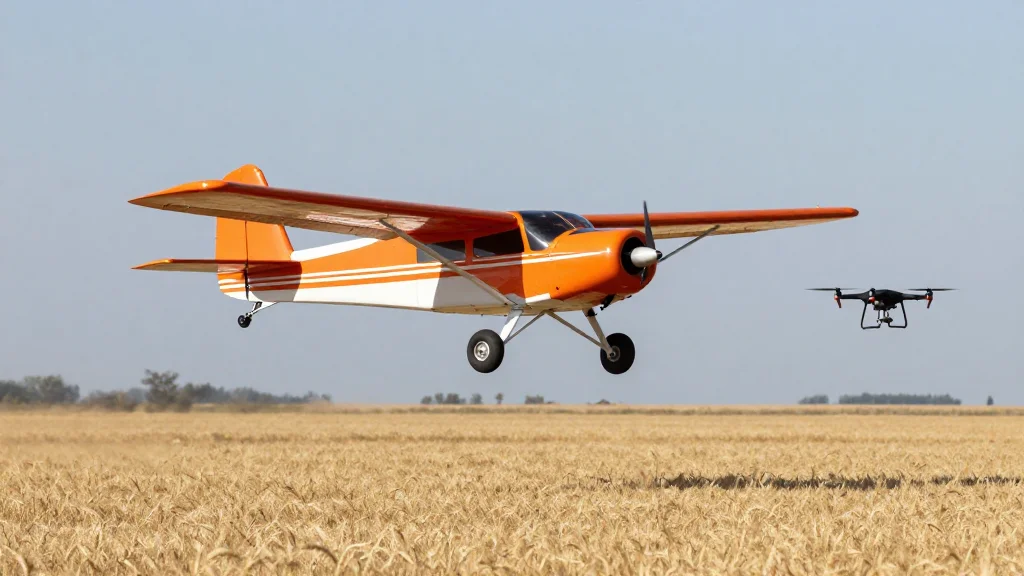
Ag Aircraft Drone Encounters Increased In 2025 Season
Why It Matters
Rising drone‑aircraft conflicts threaten crop‑treatment efficiency and safety, prompting tighter regulatory scrutiny and industry‑wide safety initiatives.
Key Takeaways
- •20% of ag pilots reported unsafe drone encounters in 2025.
- •Incidents rose from 11% in 2023 to 20% in 2025.
- •FAA's Drone Safety Day aims to educate operators on low‑altitude rules.
- •Proposed Part 108 BVLOS rules could grant drones right‑of‑way.
- •NAAA urges drone pilots to monitor 122.925 MHz frequency and carry insurance.
Pulse Analysis
The 2025 season marked a notable uptick in near‑misses between unmanned aircraft and low‑flying agricultural planes, a trend driven by the proliferation of hobbyist and commercial drones over rural fields. Operators of spray rigs often fly as low as ten feet above crops at high speeds, making visual detection of small drones nearly impossible. This convergence of airspace has forced the National Agricultural Aviation Association to highlight a 20% incident rate, a clear warning sign for both sectors.
Regulators are responding with a two‑pronged approach. The FAA’s annual Drone Safety Day, slated for April 25, will focus on education, emphasizing existing rules that require drones to yield to manned aircraft and encouraging the use of tracking technology. Simultaneously, the pending Part 108 amendment, which would expand beyond‑visual‑line‑of‑sight (BVLOS) operations, raises concerns about granting unmanned systems priority in low‑altitude corridors where many agricultural flights lack ADS‑B Out. Stakeholders worry that without mutual visibility solutions, the regulatory gap could exacerbate safety risks.
Industry groups are urging proactive measures. NAAA recommends that drone pilots monitor the dedicated 122.925 MHz frequency, coordinate with local applicators, and maintain liability coverage. Some operators are already equipping drones with transponders to improve conspicuity. As drone usage continues to rise, the balance between innovation and safety will hinge on collaborative protocols, real‑time communication, and possibly new technology mandates that ensure both manned and unmanned aircraft can coexist without jeopardizing crop‑treatment efficiency or pilot safety.
Ag Aircraft Drone Encounters Increased In 2025 Season
Comments
Want to join the conversation?
Loading comments...