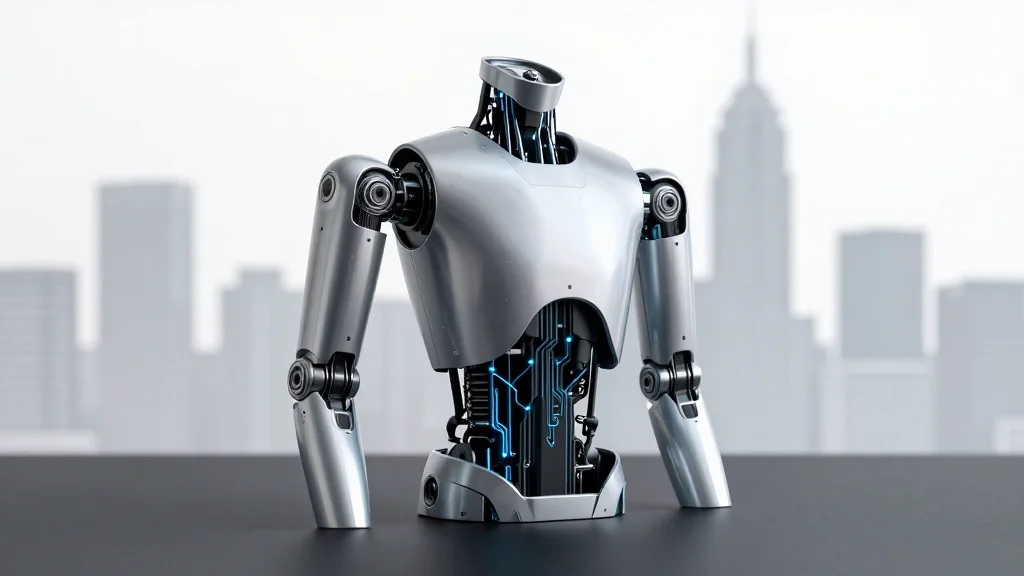
AgiBot Hits 1.05 Bn Yuan Revenue as UBTECH Scales Humanoid Sales in Europe

Why It Matters
The rapid revenue growth of AgiBot and UBTECH signals that China’s embodied‑intelligence robotics sector is moving beyond experimental deployments into large‑scale commercial applications. Standardized, high‑speed supply chains and dedicated after‑sales services reduce total cost of ownership, making humanoid robots viable for logistics, retail, and manufacturing. The European partnership also demonstrates that Chinese robot makers are no longer confined to domestic markets; they are now competing globally, potentially reshaping the competitive landscape against established Western players. If the supply‑chain innovations hold, the sector could see a cascade effect: faster time‑to‑market for new robot models, lower component costs, and broader adoption across mid‑size enterprises. Conversely, any bottlenecks in component sourcing—particularly LiDAR, perception sensors, and high‑precision actuators—could expose vulnerabilities in the nascent ecosystem, prompting investors and OEMs to diversify their supplier base.
Key Takeaways
- •AgiBot reports 2025 revenue of 1.05 bn yuan ($147 M), up from 60 m yuan in 2024.
- •UBTECH’s humanoid robot revenue jumps 22‑fold to 821 m yuan ($115 M) in 2025.
- •UBTECH partners with Terra Robotics for exclusive DACH region distribution.
- •JD launches ‘Robot Ambulance’ service, targeting 50 Chinese cities and European markets.
- •AgiBot aims to deliver 100,000 robots by 2027 and hit 10 bn yuan revenue by 2027.
Pulse Analysis
AgiBot’s aggressive scaling reflects a broader shift in Chinese robotics from bespoke, low‑volume builds to mass‑production lines that mirror automotive manufacturing. The company’s claim of a 30‑minute supply‑chain loop suggests a focus on component standardization—a critical factor for cost reduction and reliability. This mirrors trends seen in the automotive sector, where modular platforms have enabled rapid model refreshes. UBTECH’s explosive sales growth, driven by the Walker S series, underscores the market’s appetite for humanoid platforms that can navigate complex, unstructured environments such as warehouses and retail stores.
The European partnership with Terra Robotics is a strategic foothold that could serve as a launchpad for Chinese humanoid technology in the West. Historically, Western firms have dominated high‑end industrial robotics, but the price advantage and rapid iteration cycles of Chinese manufacturers may erode that lead. JD’s robot‑service network further differentiates Chinese firms by offering end‑to‑end lifecycle support, a service layer often missing in early‑stage robotics deployments.
Looking ahead, the sector’s trajectory will hinge on three variables: component supply resilience, regulatory acceptance of autonomous humanoids in public spaces, and the ability to integrate AI perception stacks at scale. If AgiBot and UBTECH can secure stable supplies of LiDAR, advanced sensors, and high‑torque actuators while navigating safety standards, they could capture a sizable share of the projected $30 billion global humanoid robot market by 2030. Investors should monitor upcoming earnings releases for signs of margin compression or supply‑chain strain, which could temper the current optimism.
AgiBot Hits 1.05 bn Yuan Revenue as UBTECH Scales Humanoid Sales in Europe
Comments
Want to join the conversation?
Loading comments...