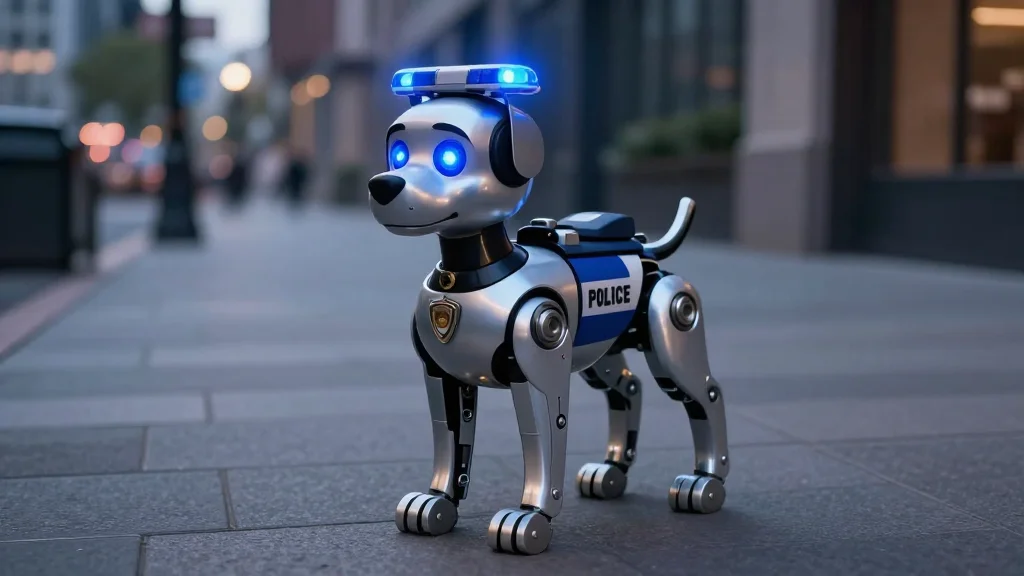
AI‑Powered Robot Police Dogs Begin 24/7 Patrols Across Atlanta

Companies Mentioned
Why It Matters
The introduction of autonomous robot police dogs in Atlanta signals a shift toward AI‑driven public‑safety solutions that could reshape how municipalities allocate resources for security. If the program proves effective, it may accelerate adoption of similar systems nationwide, prompting a wave of investment in robotics, computer‑vision software and remote‑monitoring infrastructure. Conversely, the civil‑rights backlash underscores the need for robust governance frameworks to ensure that surveillance technologies do not infringe on privacy or amplify bias, a challenge that will shape regulatory approaches across the United States. Beyond policing, the deployment showcases how private robotics firms can embed themselves in public‑sector contracts, blurring the line between commercial security services and state authority. The outcome will influence future partnerships between cities and tech companies, potentially redefining the economics of urban safety and the ethical standards governing AI surveillance.
Key Takeaways
- •Atlanta deployed AI‑powered robot police dogs across streets, apartments, parking lots and construction sites.
- •The units operate 24/7, streaming 360° video to remote operators and responding to honks with a synthetic bark.
- •Police Chief Mark Callahan called the robots a cost‑effective way to deter crime.
- •ACLU of Georgia’s Samantha Nguyen warned the technology could erode civil liberties.
- •City officials plan to expand the program pending a public hearing on privacy safeguards.
Pulse Analysis
Atlanta’s robot dog rollout is a litmus test for the commercial viability of autonomous security platforms in the public sector. Historically, municipalities have relied on human guards and static cameras; the shift to mobile, AI‑enabled units promises higher coverage with lower labor costs. However, the technology’s effectiveness hinges on the accuracy of its object‑recognition algorithms, which remain vulnerable to false positives and contextual misinterpretations. A misidentified threat could trigger unnecessary police dispatches, eroding public trust.
From a market perspective, the partnership between Cobalt Robotics and Undaunted illustrates a hybrid model where hardware manufacturers join forces with service‑oriented firms to deliver end‑to‑end solutions. This could spur consolidation in the robotics security niche, as larger players acquire niche developers to control both the hardware stack and the data pipeline. Investors will likely monitor contract sizes, renewal rates, and any legislative pushback as key indicators of long‑term profitability.
Regulatory scrutiny will be the decisive factor. If Atlanta adopts transparent data‑handling policies and establishes independent oversight, the model could become a template for other cities seeking to modernize their security apparatus. Conversely, a high‑profile privacy breach or documented bias could trigger stricter state or federal regulations, slowing adoption and prompting companies to pivot toward more privacy‑preserving designs. The coming months will reveal whether robot police dogs become a staple of urban policing or a cautionary tale of technology outpacing governance.
AI‑Powered Robot Police Dogs Begin 24/7 Patrols Across Atlanta
Comments
Want to join the conversation?
Loading comments...