Around the Commercial Drone Industry: Training Schools, New NPRM Comments, El Paso Airport Closure
•February 20, 2026
0
Why It Matters
Scaling the drone workforce, refining BVLOS regulations, and resolving counter‑UAS conflicts are critical for the industry’s safe expansion and market adoption.
Key Takeaways
- •West Wales school targets 120 drone operators in 2026.
- •Training covers LOS and BVLOS flight techniques.
- •FAA reopened BVLOS NPRM comments; Amazon backs electronic conspicuity.
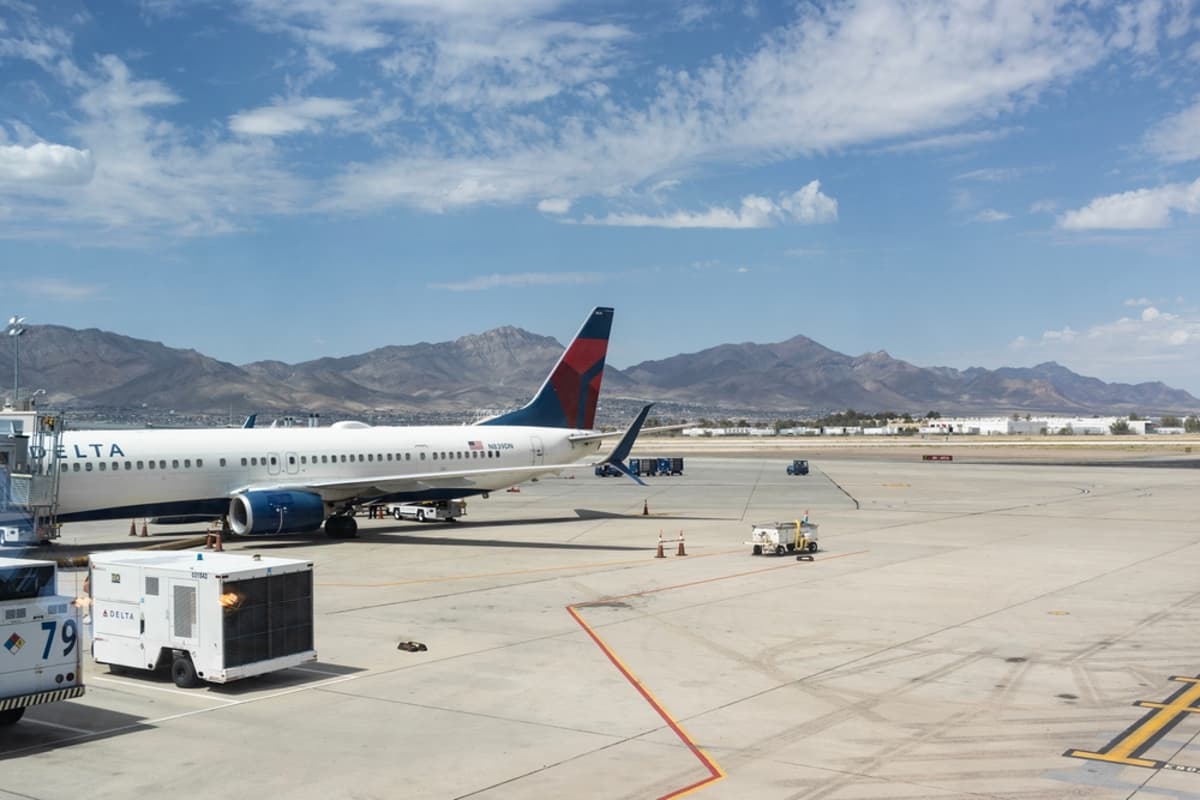
- •Counter‑UAS activity forced El Paso airport closure.
- •Balancing civilian flights with drone mitigation remains regulatory challenge.
Pulse Analysis
The West Wales training hub, backed by TEKEVER’s OVERMATCH programme, signals a strategic push to professionalise the UK’s drone ecosystem. By combining high‑fidelity simulators with real‑world aircraft components, the centre equips pilots for complex LOS and BVLOS missions, addressing a talent gap that has long hampered large‑scale commercial operations. This investment not only strengthens the domestic supply chain but also positions the UK as a training export destination for European operators seeking accredited curricula.
Regulatory momentum is evident as the FAA reopened its Part 108 BVLOS notice of proposed rulemaking, inviting fresh commentary on electronic conspicuity, right‑of‑way, and detect‑and‑avoid standards. Industry voices are split: some advocate stringent detection capabilities to protect manned aircraft, while others, like Amazon Prime Air, argue that electronic conspicuity can streamline safety and accelerate BVLOS deployment. The dialogue reflects a broader shift toward data‑driven risk management, where real‑time aircraft identification could unlock new logistics models and reduce reliance on visual observers.
The El Paso airspace shutdown highlights the operational friction between civilian aviation and emerging counter‑UAS technologies. While federal funding is earmarked for robust drone‑jamming and detection systems, their deployment must avoid unintended interference with commercial flights. The incident underscores the need for integrated airspace management frameworks that harmonise mitigation tools with existing traffic‑control protocols. As counter‑UAS solutions become critical infrastructure, policymakers will have to craft clear guidelines that protect both national security interests and the continuity of commercial air travel.
Around the Commercial Drone Industry: Training Schools, New NPRM Comments, El Paso Airport Closure
0
Comments
Want to join the conversation?
Loading comments...