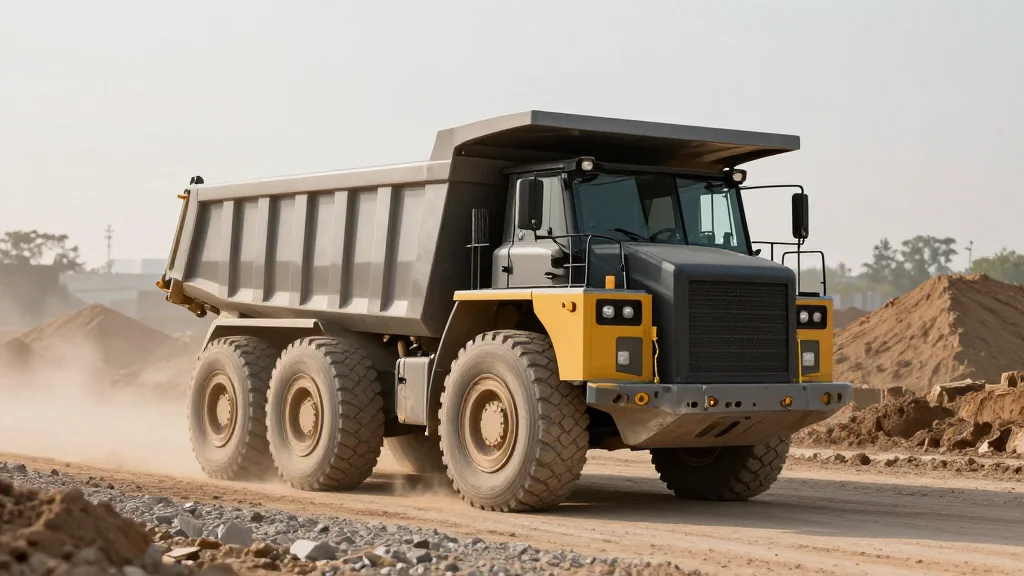
ASI Releases CEO Playbook for Scaling Autonomy Across Industrial Operations
Why It Matters
Scaling autonomy turns a strategic concept into measurable productivity gains, helping firms meet rising demand with fewer resources. Early adopters lock in safety and cost advantages while laggards risk falling behind.
Key Takeaways
- •300+ autonomous assets managed via ASI’s Mobius platform
- •4.5 million km driven autonomously, moving 300 million tons
- •24/7 operations achieve 105% productivity versus human crews
- •Playbook offers step‑by‑step scaling roadmap for industrial leaders
Pulse Analysis
Labor shortages, tighter safety regulations and the relentless push for higher margins are forcing heavy‑industry leaders to look beyond traditional equipment. Autonomous vehicles promise to boost output while reducing human exposure to hazardous environments, and the market has responded with a surge in pilot programs across construction sites, mines and farms. Yet many firms stall after the proof‑of‑concept stage, unsure how to translate isolated success into enterprise‑wide efficiency. The broader industry narrative now centers on turning pilots into profit centers, a transition that requires clear governance, data integration and change‑management frameworks.
ASI’s white paper is anchored in a live ecosystem that already manages over 300 autonomous machines through its Mobius fleet‑management system. Those assets have collectively driven 4.5 million kilometers, shifted 300 million tons of material and maintained continuous operation at 105% of human productivity benchmarks. Those figures serve as concrete evidence that autonomy can outperform human crews not only in raw throughput but also in uptime and safety metrics. By aggregating disparate vehicle types onto a single platform, ASI demonstrates how data‑driven dispatch, predictive maintenance and remote monitoring can be scaled without exponential cost increases, addressing the chief barrier that has kept many CEOs hesitant.
For CEOs, the playbook offers a pragmatic roadmap that cuts through hype and outlines governance structures, talent requirements, ROI modeling and risk mitigation steps needed for enterprise‑wide rollout. It emphasizes phased expansion, starting with high‑impact use cases before integrating broader fleets, and provides templates for aligning autonomy initiatives with overall corporate strategy. As competitors accelerate their own automation agendas, firms that adopt the playbook’s proven methodology can secure a durable competitive edge, improve safety records and capture the productivity gains that will define the next decade of industrial operations.
ASI Releases CEO Playbook for Scaling Autonomy Across Industrial Operations
Comments
Want to join the conversation?
Loading comments...