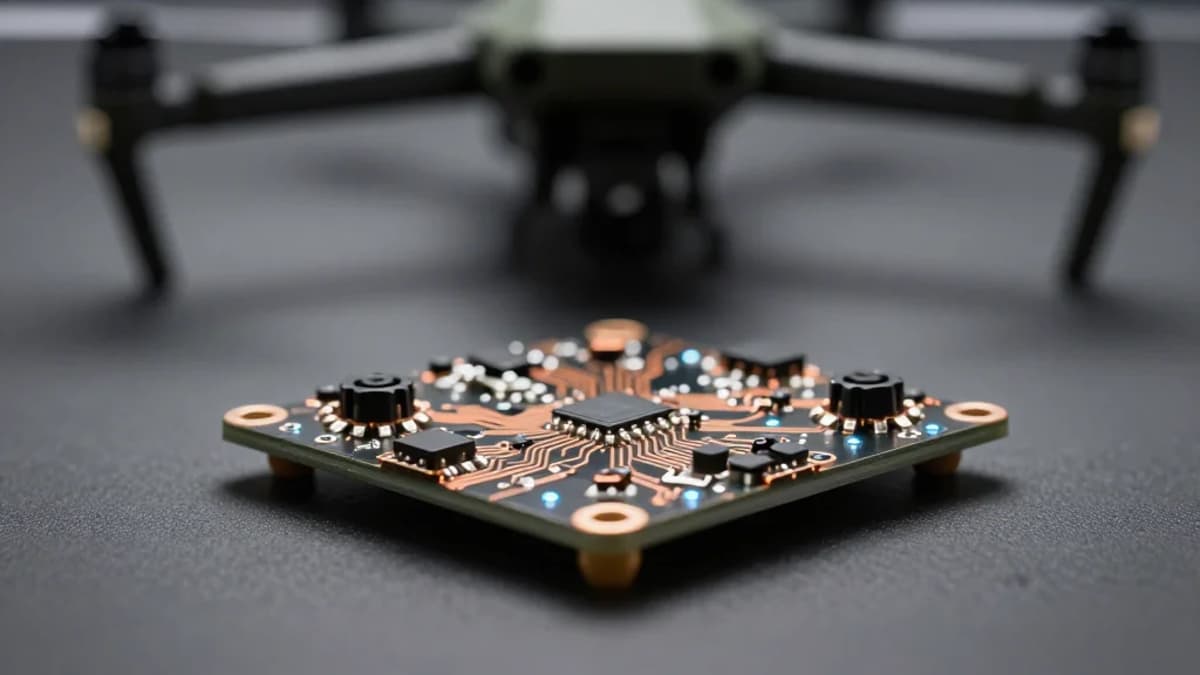
Australian Tech Firm CubePilot Secures Long-Term Role in US Drone Supply Chain
•January 9, 2026
0

Why It Matters
The exemption guarantees uninterrupted supply of critical drone components for U.S. military operations, strengthening allied supply‑chain resilience and reducing dependence on restricted foreign technology.
Key Takeaways
- •FCC exempts CubePilot hardware from US covered lists.
- •CubePilot’s flight controllers on Pentagon’s Blue UAS list through 2027.
- •Supports AUKUS “friend‑shoring” strategy for critical defense tech.
- •Enables allied drones to avoid prohibited foreign components.
- •Enhances supply‑chain security for US military UAV programs.
Pulse Analysis
CubePilot’s recent FCC exemption marks a pivotal shift in the geopolitics of unmanned aerial systems. By clearing its autopilot and GNSS modules from the national‑security covered lists, the U.S. government acknowledges the firm’s rigorous cybersecurity and NDAA compliance. This clearance not only validates CubePilot’s engineering standards but also positions the Geelong‑based company as a cornerstone for next‑generation allied drones, offering a reliable alternative to legacy suppliers that may be subject to export restrictions.
The exemption dovetails with the broader “friend‑shoring” agenda pursued by the United States, Australia and the United Kingdom under the AUKUS framework. By deliberately sourcing critical components from trusted allies, Washington reduces exposure to supply‑chain disruptions linked to geopolitical tensions. CubePilot’s inclusion on the Pentagon’s Blue UAS list ensures that its flight controllers and navigation systems can be integrated into classified missions without additional licensing hurdles, accelerating procurement cycles and enhancing operational readiness for U.S. forces.
Looking ahead, the decision could catalyze further investment in Australian defense tech and encourage other allied firms to seek similar exemptions. As the U.S. expands its drone fleet for both combat and intelligence roles, demand for secure, interoperable avionics is set to rise. CubePilot’s established foothold may inspire competitive innovation, prompting legacy manufacturers to elevate their security certifications. Ultimately, the move reinforces a resilient, allied‑centric supply chain that safeguards critical capabilities amid an increasingly contested global technology landscape.
Australian tech firm CubePilot secures long-term role in US drone supply chain
0
Comments
Want to join the conversation?
Loading comments...