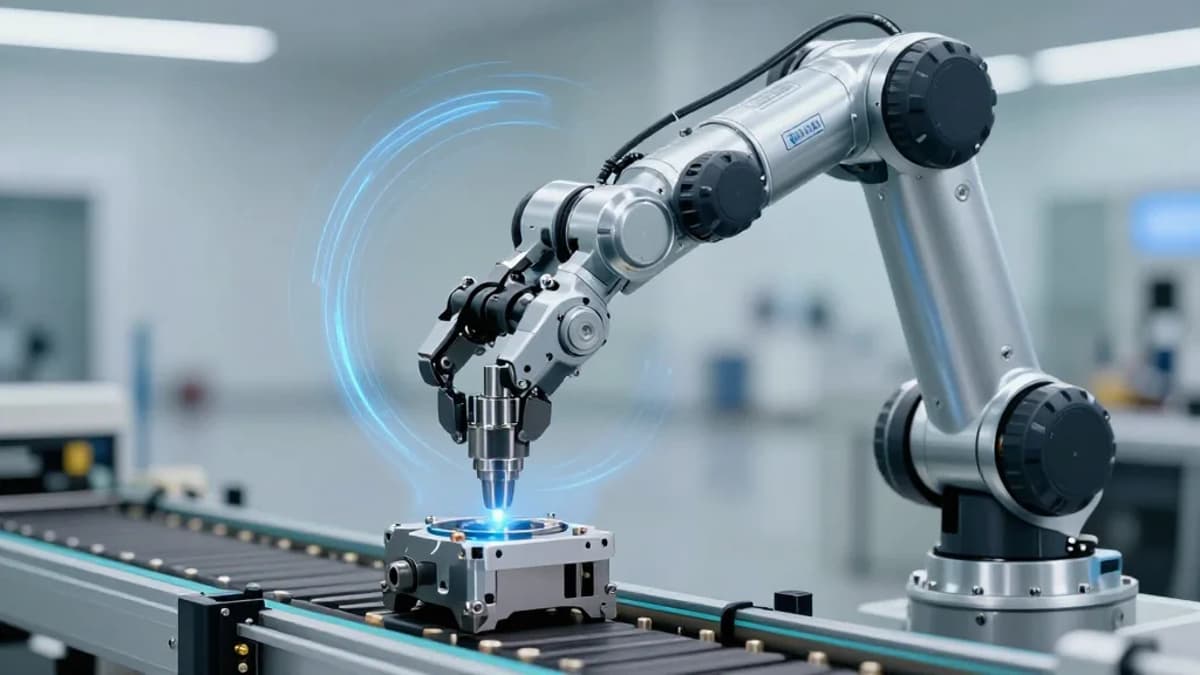
Automation in Manufacturing Will More than Double by 2030: PwC
•February 27, 2026
0
Why It Matters
Rapid automation reshapes the $16 trillion manufacturing sector, creating new revenue streams and demanding workforce upskilling, while firms that orchestrate technology faster will capture market leadership.
Key Takeaways
- •Automation expected to rise from 26% to 68% by 2030
- •Business support functions adoption projected to quadruple by decade's end
- •Companies must focus on orchestration, not just tools
- •Revenue from non‑manufacturing services could reach 44% by 2030
- •Upskilling and culture critical for successful automation integration
Pulse Analysis
Manufacturers are entering a decisive decade of technology adoption, driven by PwC’s finding that automation and AI usage will more than double by 2030. The shift is not confined to shop‑floor robotics; it extends across the entire value chain, from finance to human resources, where adoption is expected to quadruple. This broadening of scope reflects a strategic pivot toward integrated solutions that blend hardware with data, software and services, enabling firms to capture new revenue streams beyond traditional product sales.
The competitive edge will increasingly hinge on how swiftly companies can orchestrate these tools across silos. PwC warns that the gap between “future‑fit” manufacturers and laggards is widening, fueled by disparities in data quality, skill levels, and system fragmentation. Firms that invest in seamless integration—leveraging digital twins, sensor networks, and AI‑driven analytics—will unlock efficiency gains and accelerate innovation cycles, while those that merely acquire technology risk falling behind.
Workforce readiness emerges as a critical success factor. Leaders may champion digital transformation, but without a culture that supports learning and experimentation, adoption stalls. Upskilling programs, clear communication about role changes, and a safe environment for trial‑and‑error are essential to translate automation ambition into measurable performance. Companies that embed these cultural pillars are poised to capture the projected 44% of revenue from non‑manufacturing services, positioning themselves as solution providers rather than pure equipment sellers.
Automation in manufacturing will more than double by 2030: PwC
0
Comments
Want to join the conversation?
Loading comments...