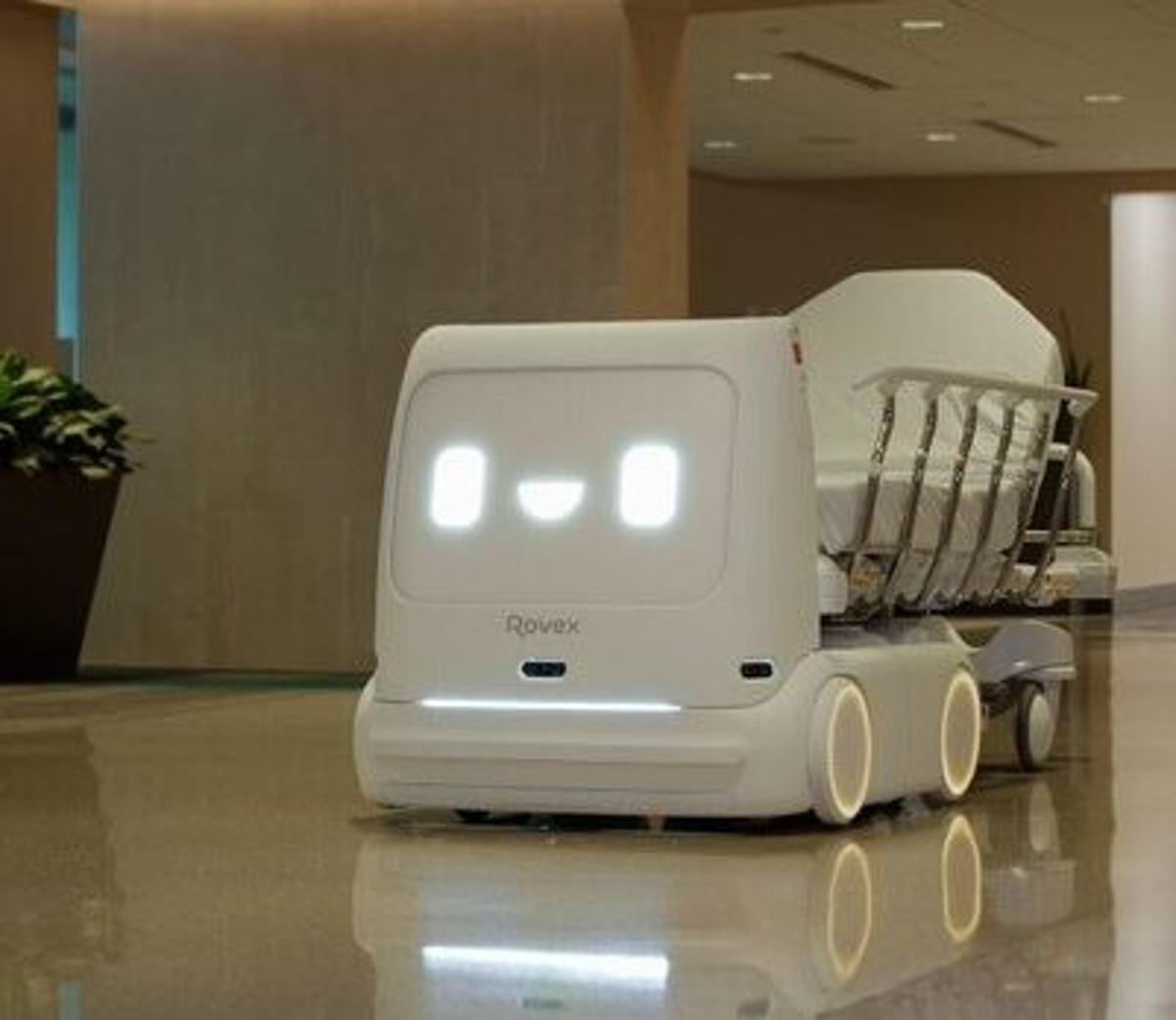
BayCare Hospital Pilots “First-of-Its-Kind” Robotic Patient Transport System by Rovex
Why It Matters
If successful, the pilot could demonstrate how robotics alleviate labor shortages and boost efficiency in hospital logistics, setting a template for health systems nationwide.
Key Takeaways
- •Rovex's Rovi robot attaches to existing stretchers for transport
- •Pilot at BayCare's Morton Plant Hospital began in April 2026
- •No patients are moved yet; focus on workflow evaluation
- •Goal: reduce staff strain and improve patient flow efficiency
- •Success could guide nationwide adoption of hospital robotics
Pulse Analysis
Robotic patient transport is emerging as a practical complement to digital health tools, and BayCare’s partnership with Florida‑based startup Rovex marks one of the first real‑world trials in a U.S. hospital. The Rovi system, designed to latch onto standard stretchers, promises to automate the physically demanding task of moving patients between wards, imaging suites, and operating rooms. By starting the pilot in April 2026, BayCare is gathering granular data on route optimization, battery life, and integration with existing electronic health records, while deliberately avoiding patient transport during the evaluation phase to mitigate risk.
The impetus behind the trial is twofold: easing the workload of an increasingly stretched nursing and ancillary staff, and smoothing patient flow to reduce bottlenecks that can delay diagnostics and procedures. Hospital logistics account for a sizable portion of operational costs, and delays in transport ripple through scheduling, increasing overtime and injury risk. By offloading repetitive movement tasks to a robot, clinicians can redirect time toward direct care, potentially improving satisfaction scores and clinical outcomes. Early metrics from similar pilots suggest a 10‑15% reduction in transport‑related staff hours, a figure BayCare hopes to replicate.
Beyond the immediate operational gains, the BayCare‑Rovex collaboration could serve as a blueprint for health systems confronting workforce shortages and rising patient volumes due to an aging population. Successful validation may accelerate investment in autonomous logistics platforms, prompting vendors to expand capabilities to beds and wheelchairs. However, widespread adoption will hinge on proving safety, cost‑effectiveness, and seamless integration with hospital workflows. As the industry watches, this pilot could shape the next wave of robotics‑enabled care delivery.
BayCare hospital pilots “first-of-its-kind” robotic patient transport system by Rovex
Comments
Want to join the conversation?
Loading comments...