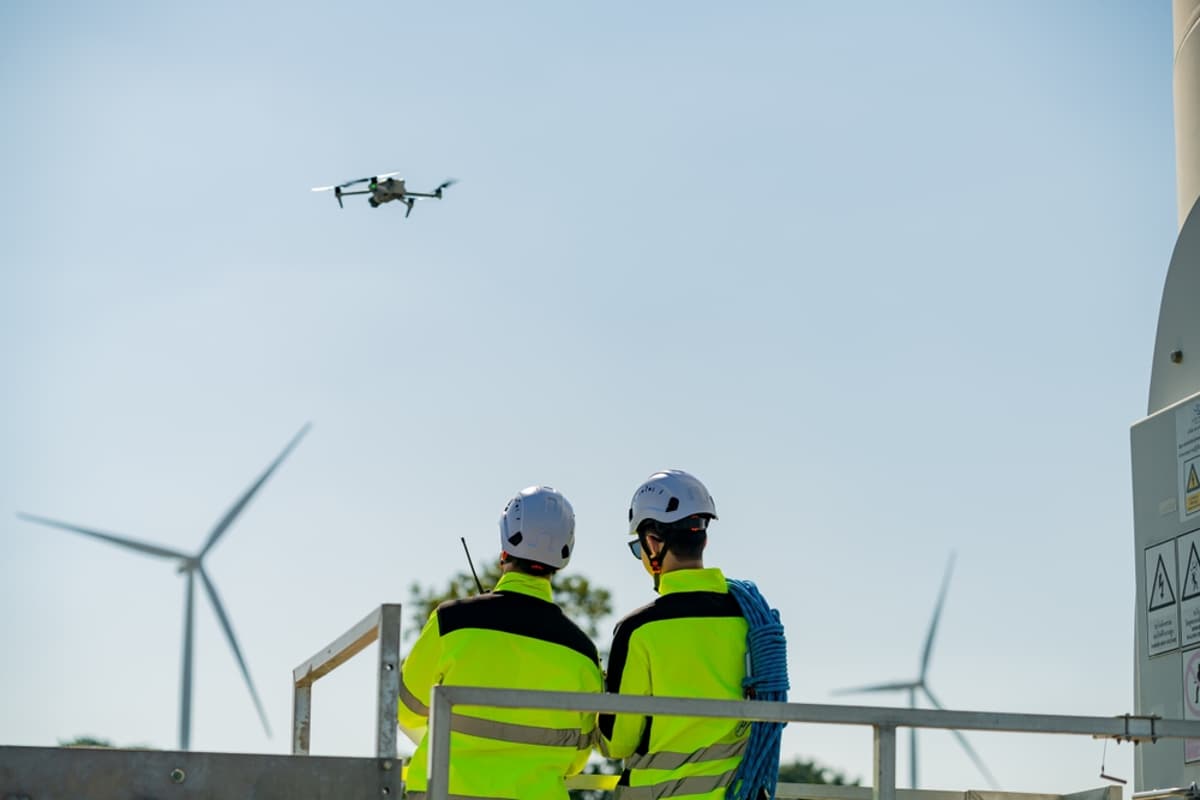
Behind the Flight: Essential Roles at UAS Test Sites
•February 12, 2026
0
Why It Matters
By ensuring rigorous, regulated testing, UAS test sites accelerate safe drone deployment and protect the national airspace, directly influencing industry growth and public‑safety capabilities.
Key Takeaways
- •Nine FAA‑approved UAS test sites operate nationwide
- •Safety, piloting, and operations are core personnel categories
- •Test sites validate DAA, BVLOS, UTM, and airworthiness
- •Roles require Part 107 license and extensive flight experience
- •Sites support research, SAR, and public‑safety missions
Pulse Analysis
UAS test sites have become a cornerstone of the United States’ strategy to integrate unmanned aircraft into the national airspace. Beyond merely providing a runway for experimental flights, these facilities enable manufacturers to demonstrate compliance with emerging standards such as detect‑and‑avoid, command‑and‑control, and beyond‑visual‑line‑of‑sight operations. The FAA’s endorsement of nine geographically diverse locations—each with unique terrain and weather conditions—offers a realistic proving ground that mirrors the complexities of real‑world deployment, thereby reducing regulatory uncertainty for innovators.
The human element is equally critical. Test site personnel are divided into three functional pillars: safety, piloting, and operations. Safety leads enforce risk‑management protocols and coordinate emergency response, while pilots and visual observers execute flight plans under strict FAA guidelines. Operations managers act as the liaison between clients and regulators, handling mission planning, equipment maintenance, and post‑flight data analysis. These roles typically demand a Part 107 license, extensive flight hours, and a deep understanding of UAS technology, ensuring that every test adheres to the highest standards of reliability and accountability.
As the drone ecosystem matures—spanning delivery, infrastructure inspection, and urban air mobility—the demand for rigorous testing will only intensify. Test sites not only de‑risk new technologies but also create career pathways for engineers, pilots, and safety specialists eager to shape the future of aviation. Their continued expansion and investment signal a robust pipeline of innovation, positioning the United States as a global leader in safe, scalable drone operations.
Behind the Flight: Essential Roles at UAS Test Sites
0
Comments
Want to join the conversation?
Loading comments...