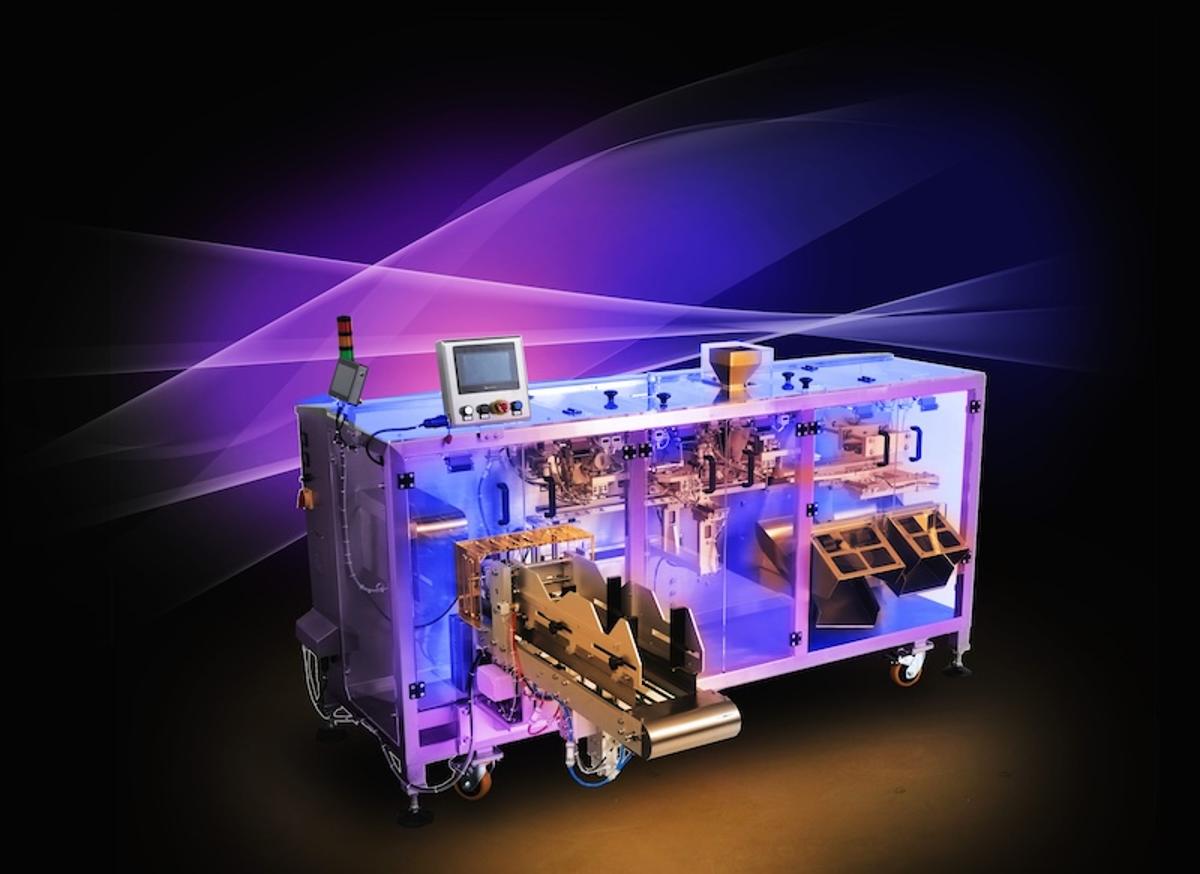
Best Manufacturing and Packaging Automation Companies in 2026
•February 27, 2026
0
Why It Matters
Integrating intelligent automation reduces downtime, cuts energy waste, and bridges the skills gap, directly boosting manufacturers’ bottom lines in a tightening labor market. The rankings help decision‑makers prioritize vendors that deliver measurable efficiency gains.
Key Takeaways
- •Hefestus excels in food and cannabis packaging
- •Rockwell offers edge computing for low‑latency control
- •Siemens provides digital twin and industrial metaverse
- •ABB delivers AI‑native collaborative robots
- •Fanuc introduces Zero Down Time predictive maintenance
Pulse Analysis
The rise of software‑defined automation is reshaping how manufacturers approach scalability. Vendors that combine robust hardware with flexible code—like Siemens’ digital twin platform—allow plants to simulate changes before physical deployment, slashing costly trial‑and‑error cycles. This capability is especially valuable in high‑mix, low‑volume environments where retooling speed determines competitiveness.
Reliability remains a decisive factor as labor shortages intensify. Companies such as Hefestus and Fanuc focus on plug‑and‑play designs and predictive maintenance, ensuring machines stay productive with minimal specialist intervention. Predictive analytics, exemplified by Fanuc’s Zero Down Time initiative, foresees component failures weeks in advance, turning unplanned outages into scheduled service windows and preserving throughput.
Beyond uptime, the integration of AI and edge computing is unlocking new use cases. ABB’s AI‑native cobots adapt to dynamic workspaces, while Rockwell’s Logix Edge processes data locally, eliminating latency that can cripple high‑speed assembly lines. These advances not only improve product quality but also generate actionable insights that lower energy consumption and material waste, delivering a clear ROI for forward‑looking manufacturers.
Best Manufacturing and Packaging Automation Companies in 2026
0
Comments
Want to join the conversation?
Loading comments...