BMW: How Humanoid Robots Are Moving From Plant Trials Toward Production Work
Companies Mentioned
Why It Matters
BMW’s adoption of humanoid robots demonstrates that adaptive Physical AI can be viable in high‑mix automotive production, prompting the industry to rethink automation strategies and data integration. This could accelerate broader adoption of flexible robotics across complex manufacturing environments.
Key Takeaways
- •BMW piloted Figure 02 robot handling 90,000 components in Spartanburg.
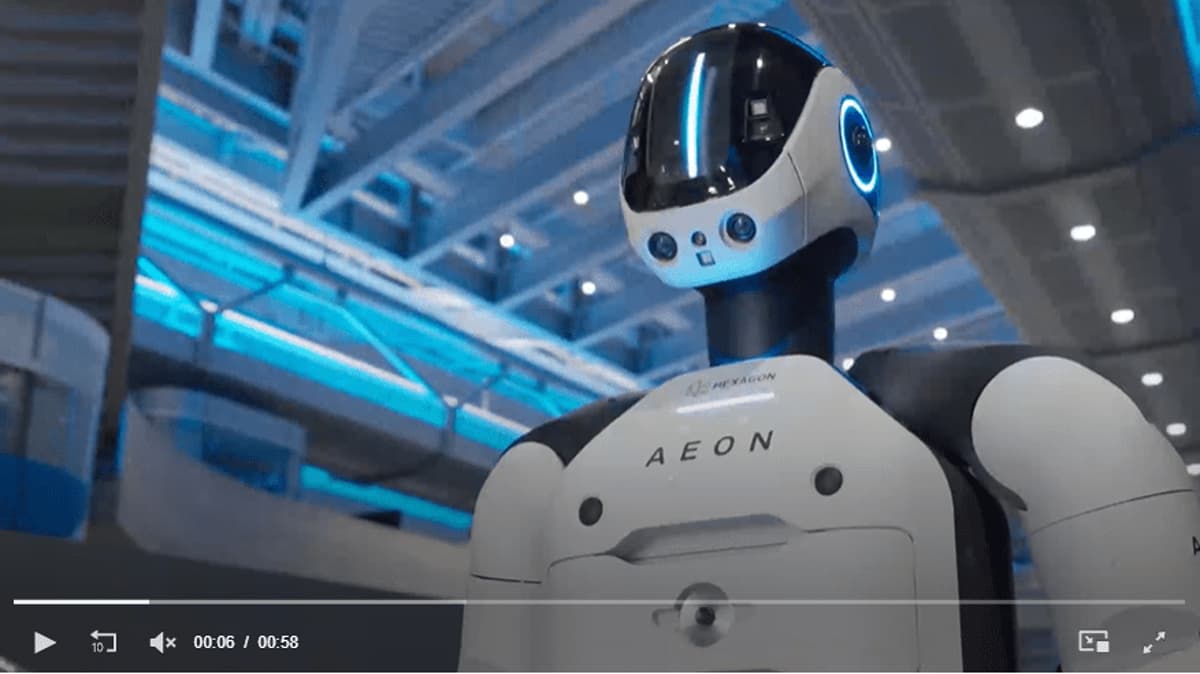
- •New Leipzig pilot uses Hexagon’s AEON robot for battery assembly.
- •Physical AI integrates robotics with unified data architecture for production.
- •Humanoid robots enable automation in human‑designed factory spaces.
- •Metrics show 1,250 robot hours supporting 30,000 X3 vehicles.
Pulse Analysis
The automotive sector has long relied on fixed‑path industrial robots for tasks like welding and painting, but BMW’s recent initiatives illustrate a new frontier: humanoid robots that can navigate human‑centric workspaces. The Spartanburg trial proved that Figure 02 could reliably move sheet‑metal parts, logging more than a million steps and 1,250 hours of operation while supporting the assembly of 30,000 X3 models. By moving the experiment to Leipzig and teaming with Hexagon’s AEON platform, BMW is testing these systems in the more demanding environment of high‑voltage battery production, where flexibility and precision are critical.
Central to BMW’s strategy is the concept of "Physical AI," which merges advanced computer‑vision, multimodal AI, and reinforcement‑learning algorithms with a unified production data layer. This integration allows robots to interpret real‑time sensor inputs, adjust their motions on the fly, and coordinate with manufacturing execution systems without extensive re‑tooling of the factory floor. The approach shifts the robot from a static execution device to a dynamic software‑defined component, capable of handling variable part locations, exception management, and collaborative tasks alongside human workers.
If successful, BMW’s model could reshape supply‑chain automation across industries that face similar semi‑structured workflows, from aerospace to consumer electronics. The ability to retrofit existing human‑oriented lines with adaptable robots reduces capital expenditures on dedicated cell redesigns and opens pathways for incremental automation. Moreover, the emphasis on interoperable data platforms ensures that insights from robot performance can feed back into planning, inventory, and logistics systems, driving continuous improvement. As more manufacturers observe BMW’s metrics and scalability challenges, the momentum for adaptive, AI‑driven robotics is likely to accelerate, redefining the economics of flexible production.
BMW: How Humanoid Robots Are Moving From Plant Trials Toward Production Work
Comments
Want to join the conversation?
Loading comments...