BrainChip Named Official Technology Sponsor for Raytheon’s Autonomous Vehicle Competition
•March 8, 2026
0
Why It Matters
The partnership accelerates adoption of neuromorphic AI in defense‑grade autonomy while cultivating the next generation of engineers equipped to solve high‑stakes, real‑world challenges.
Key Takeaways
- •BrainChip supplies Akida AKD1000 to all competition teams
- •Processor enables ultra‑low‑power, real‑time edge AI inference
- •Teams receive up to 40 hours of virtual engineering support
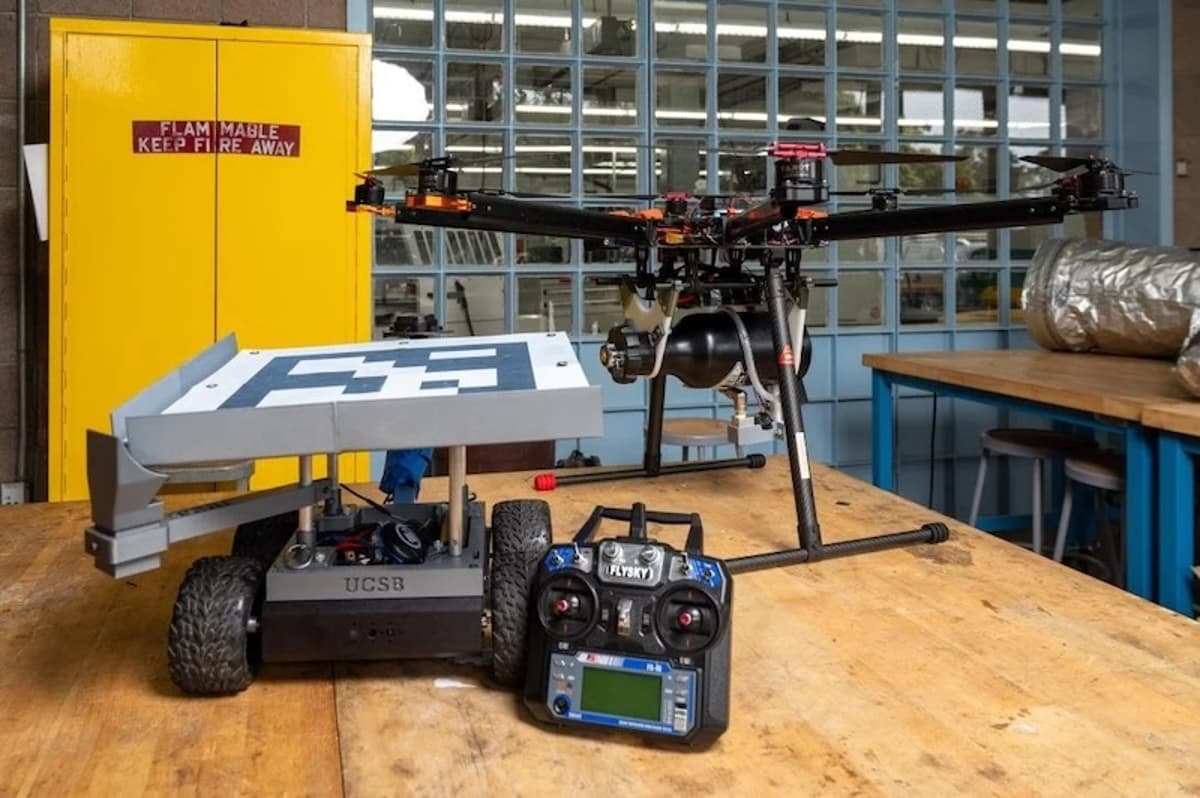
- •Competition focuses on UAV‑UGV collaborative autonomous landing
- •Initiative strengthens STEM talent pipeline for defense applications
Pulse Analysis
Neuromorphic computing is moving from research labs into practical deployments, and BrainChip sits at the forefront with its Akida™ platform. The AKD1000 processor combines event‑based sensing with ultra‑low‑power consumption, delivering inference speeds suitable for edge devices that cannot rely on cloud connectivity. As manufacturers chase higher autonomy under strict energy budgets, such silicon promises to replace traditional GPU‑centric designs in drones, robots, and IoT sensors, opening new markets for real‑time adaptive intelligence.
Raytheon’s Autonomous Vehicle Competition leverages this technology to push student teams beyond textbook simulations. By mandating the integration of Akida chips, the contest forces participants to design UAV‑UGV systems capable of collaborative behaviors, including the notoriously difficult task of landing a drone on a moving ground platform. The competition’s structure—regional events across the U.S. and Puerto Rico—provides hands‑on exposure to defense‑grade requirements, while BrainChip’s cost‑price hardware and 40 hours of virtual engineering mentorship lower barriers to sophisticated AI implementation.
The broader impact extends to both industry and academia. Early exposure to neuromorphic processors equips emerging engineers with skills that align with defense, disaster‑response, and commercial autonomous vehicle roadmaps, where power efficiency and rapid adaptation are paramount. For companies, sponsoring such programs builds brand credibility and creates a pipeline of talent fluent in cutting‑edge AI hardware. As the defense sector increasingly adopts edge AI for mission‑critical operations, collaborations like this signal a shift toward more sustainable, intelligent autonomy across sectors.
BrainChip named official technology sponsor for Raytheon’s autonomous vehicle competition
0
Comments
Want to join the conversation?
Loading comments...