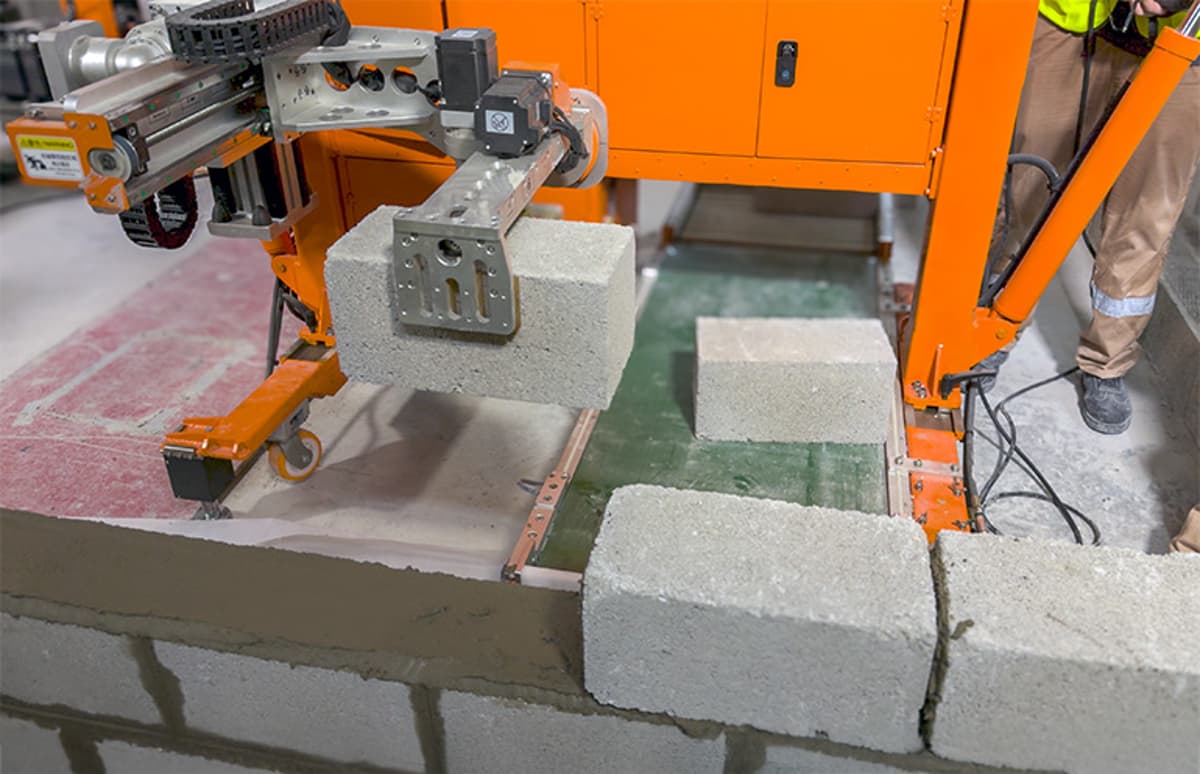
Buildroid AI Expands Simulation-First Robotics Platform to U.S. Sites
•January 9, 2026
0
Companies Mentioned


Why It Matters
By turning high‑risk robot trials into data‑driven, cost‑effective deployments, Buildroid could reshape construction economics and alleviate labor shortages. The model aligns incentives between builders and the robot provider, accelerating industry adoption.
Key Takeaways
- •Simulation-first approach reduces on‑site risk
- •Platform supports 40+ robot models via APIs
- •RaaS shared‑savings model aligns incentives
- •Early U.S. pilots target $13B blockwork market
- •Funding from Tim Draper enables U.S. expansion
Pulse Analysis
Buildroid’s reliance on NVIDIA’s Omniverse creates high‑fidelity digital twins that simulate entire construction workflows before a single robot touches a site. This pre‑deployment testing identifies bottlenecks, optimizes robot sequencing, and validates economic viability, dramatically lowering the uncertainty that has historically hampered construction robotics. By running thousands of virtual scenarios, the platform can tailor task allocation to site‑specific constraints, ensuring that each robot operates at peak efficiency from day one.
The company’s robotics‑as‑a‑service (RaaS) offering couples the simulation engine with a shared‑savings contract, where Buildroid receives half of the net efficiency gains. This structure reduces upfront capital expenditure for contractors and directly ties the provider’s revenue to measurable performance improvements. Coupled with a vendor‑agnostic API layer that supports more than 40 robot models, the model promises flexible, scalable automation that can adapt to evolving site conditions while preserving the role of skilled human workers.
Targeting the $13 billion blockwork and partition‑wall segment, Buildroid enters a market crowded with specialized players such as Construction Robotics and Fastbrick Robotics. Its broader platform strategy—adding plastering robots and autonomous material‑delivery AMRs—positions it to become a one‑stop automation hub rather than a single‑task solution. With Tim Draper’s backing and a clear roadmap for U.S. expansion, the startup is poised to test whether simulation‑first, shared‑savings robotics can achieve the economies of scale needed to drive widespread adoption across the construction industry.
Buildroid AI expands simulation-first robotics platform to U.S. sites
0
Comments
Want to join the conversation?
Loading comments...