Built Robotics and Penn Engineering's xLAB Partner to Advance Physical AI in Construction
Companies Mentioned
Why It Matters
The partnership accelerates the development of provably safe autonomous equipment, addressing a major barrier to wider AI adoption in the high‑risk construction sector. By proving safety at scale, it could unlock productivity gains and lower labor costs across the $300 billion solar construction market.
Key Takeaways
- •Built Robotics partners with Penn's xLAB to improve construction AI safety
- •Collaboration focuses on edge AI for personnel detection on survey robots
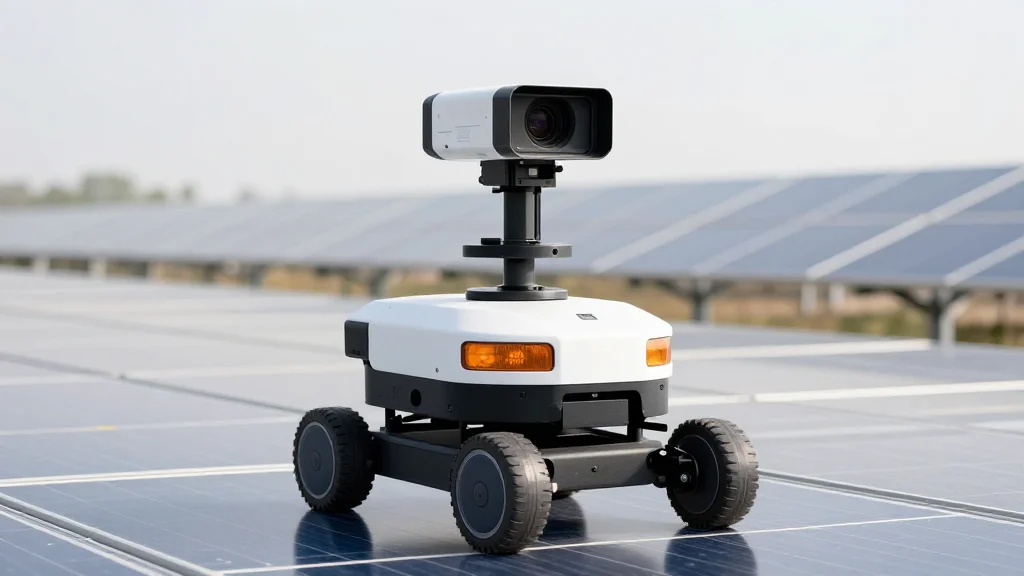
- •Pilot will collect high‑fidelity data from active solar construction sites
- •Goal: expand safe AI models to broader vehicle platforms and tasks
Pulse Analysis
Physical AI is reshaping heavy‑industry workflows, but safety remains the decisive factor for adoption. Construction sites, especially large‑scale solar farms, present dynamic environments with hundreds of workers and sprawling equipment footprints. Traditional automation struggles to guarantee human safety in such settings, prompting firms like Built Robotics to embed edge AI that can detect personnel in real time. By marrying this capability with rigorous safety‑critical software methods, the industry moves closer to truly autonomous, risk‑aware machinery.
The Built‑xLAB alliance leverages complementary strengths: Built brings a proven edge AI model refined on demanding job sites, while xLAB contributes formal verification techniques and safety‑critical system design honed in autonomous vehicles and medical devices. Their initial pilot deploys survey robots equipped with the AI across active solar construction projects, capturing high‑resolution mapping and operational data. This real‑world dataset will feed back into model training, improving detection accuracy and enabling the technology to be ported to other autonomous platforms such as excavators, haulers, and concrete finishers.
Beyond the immediate technical gains, the collaboration signals a broader market shift toward validated, safety‑first AI solutions. Investors have already backed Built Robotics with firms like Founders Fund and Tiger Global, underscoring confidence in the commercial potential of safe autonomous construction. As regulatory scrutiny tightens and labor shortages persist, demonstrable safety performance could become a competitive moat, accelerating deployment across the $300 billion utility‑scale solar sector and eventually the wider construction industry. The partnership thus sets a benchmark for how academia and industry can co‑develop trustworthy AI that delivers both efficiency and protection.
Built Robotics and Penn Engineering's xLAB Partner to Advance Physical AI in Construction
Comments
Want to join the conversation?
Loading comments...