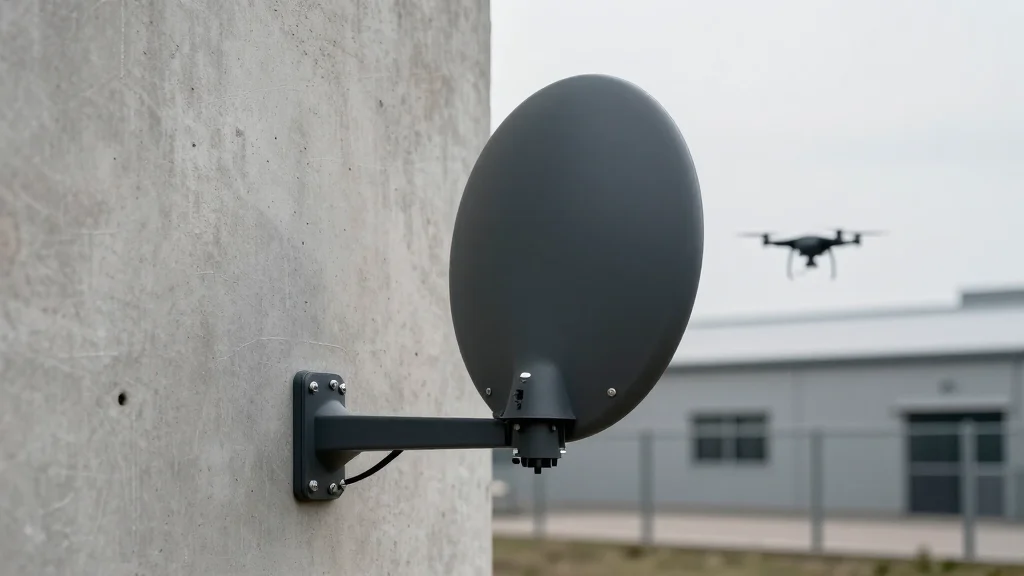
Call for Counter-Drone Tech to Protect Infrastructure Receives High Volume of Proposals
Why It Matters
The surge in proposals underscores growing demand for safe, effective counter‑drone systems as UAS threats expand across prisons and critical infrastructure, shaping future procurement and supply‑chain strategies.
Key Takeaways
- •UKDI received an unprecedented number of C‑UAS proposals.
- •Feedback deadline moved to 24 June 2026, contract start early August.
- •Focus on low‑collateral, non‑kinetic drone‑defeat technologies.
- •Prison security and nuclear sites are primary end‑users.
- •Industry calls for sustained demand and clear procurement pathways.
Pulse Analysis
The United Kingdom has seen a rapid rise in uncrewed aerial systems being misused for contraband delivery, surveillance and even attacks on high‑value sites. In response, UK Defence Innovation launched the Countering Illegal Use of UAS Around Prisons and Sensitive Sites competition in February, inviting innovators to submit technologies that can neutralise hostile drones without endangering nearby people or property. The initiative reflects a broader government push, championed by Deputy Prime Minister David Lammy, to translate lessons from Ukraine’s drone warfare into domestic security upgrades.
Unlike traditional kinetic interceptors that rely on shooting down or colliding with a rogue UAV, the competition explicitly seeks low‑collateral, non‑kinetic solutions such as directed‑energy systems, advanced signal‑disruption or AI‑driven detection‑and‑neutralisation platforms. These approaches are essential for confined environments like prison yards or the densely populated perimeters of nuclear decommissioning sites, where stray debris or radio interference could trigger costly shutdowns or safety incidents. By mandating compatibility with existing ‘last line of defence’ layers, the programme aims to create a seamless, multi‑tiered shield that activates only when other mitigation measures fail.
The flood of submissions signals a maturing UK counter‑UAS industrial base eager for clear procurement pathways and sustained demand, as highlighted by the Aerospace, Defence and Space trade association. Government agencies such as the Ministry of Justice, MOD, Home Office and the National Protective Security Authority are now coordinating to define technical standards and funding mechanisms that can move proven prototypes into operational service. Successful contracts, slated for early August 2026, could accelerate commercial roll‑out, lower costs for taxpayers and set a benchmark for allied nations confronting similar drone threats.
Call for counter-drone tech to protect infrastructure receives high volume of proposals
Comments
Want to join the conversation?
Loading comments...