
Why It Matters
CARA 2.0 shows that high‑performance legged robots can be built at a fraction of traditional costs, opening the technology to academic labs and maker communities that previously faced prohibitive price barriers.
Key Takeaways
- •CARA 2.0 built for <$1,500, half the cost of CARA 1.0
- •Actuators cost $50‑$60 each using rewound TYI motors and XDrive controllers
- •Weight reduced to 18.2 lb (8.26 kg) with 3‑D‑printed frame
- •Walking speed 0.55 m/s, payload 15 lb, 1‑hour runtime
- •Custom firmware fixed encoder feedback, stabilizing cheap controller communication
Pulse Analysis
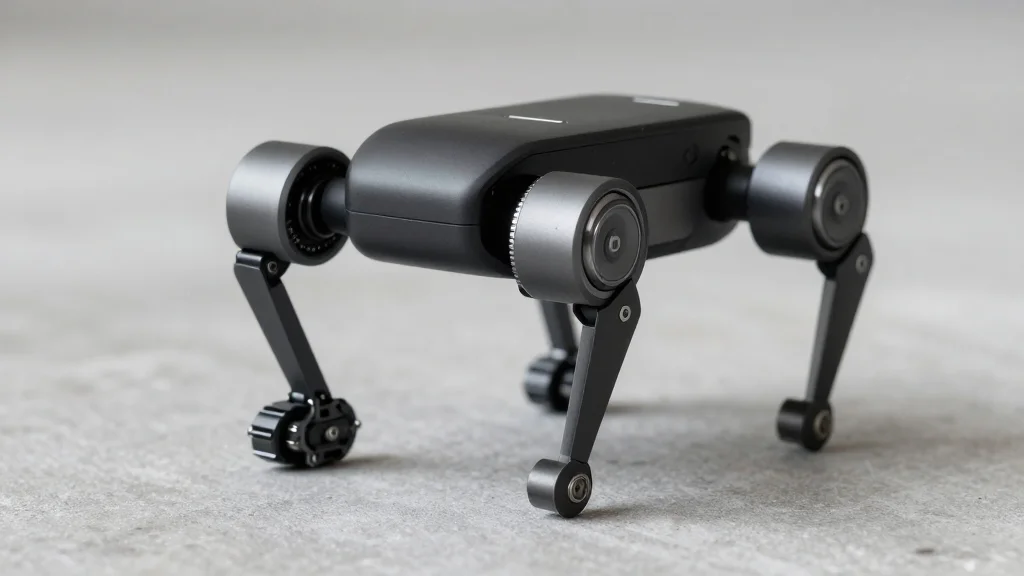
The rapid rise of affordable legged platforms has reshaped robotics research, and CARA 2.0 adds a compelling entry to that ecosystem. By embracing a quasi‑direct‑drive architecture—high‑torque brushless motors paired with low‑ratio gearboxes—and sourcing components from low‑cost Chinese manufacturers, the team slashed actuator expenses from $250 to under $60 each. Rewinding the TYI motor from a delta to a star configuration boosted torque threefold without adding mass, while the MKS XDrive Mini controller provided the necessary current capacity at a quarter of the price of legacy ODrive units. These hardware choices, combined with a 3‑D‑printed PLA frame, trimmed the robot’s mass to 18.2 lb, delivering a respectable 0.55 m/s trot and a 15 lb payload.
Beyond raw cost, CARA 2.0 tackles practical integration challenges that often hinder low‑budget robots. Early firmware on the XDrive Mini suffered from unstable UART communication, prompting a custom firmware patch that restored reliable encoder and current feedback. The project also refined the capstan‑drive joint, achieving a 9.6:1 reduction and 12 Nm peak torque in a sub‑pound assembly. Such engineering refinements illustrate how open‑source tools and community‑driven troubleshooting can overcome the limitations of inexpensive hardware, delivering performance previously reserved for multi‑million‑dollar platforms.
For the broader robotics community, CARA 2.0’s success signals a shift toward democratized dynamic locomotion. Academic labs with modest budgets can now experiment with real‑time gait optimization, reinforcement‑learning control, and payload testing without the overhead of custom PCBs or proprietary actuators. As the design files and bill of materials remain publicly accessible via Patreon, the platform invites iterative improvement and customization. Future iterations may replace capstan drives with off‑the‑shelf actuators or integrate AI‑driven gait planners, further blurring the line between hobbyist kits and research‑grade quadrupeds.
CARA 2.0 – “I Built a Better Robot Dog”
Comments
Want to join the conversation?
Loading comments...