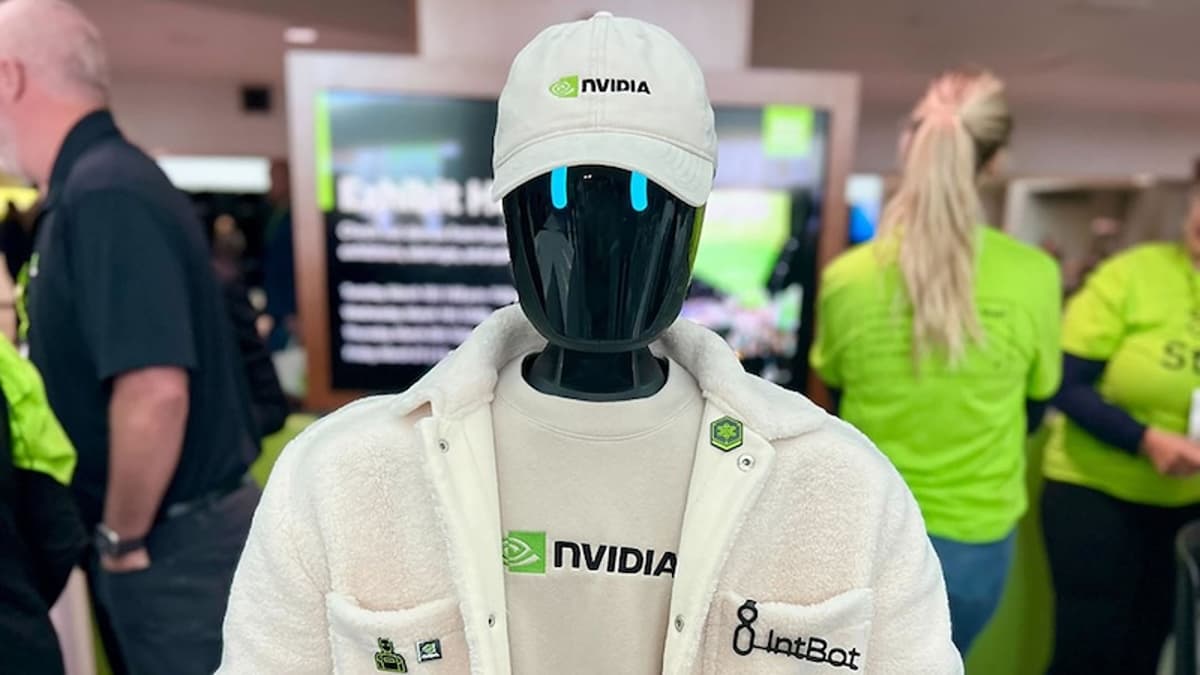
CES 2026 Highlights Shift From Humanoid Hardware to Real-World Behavior, Says IntBot
Companies Mentioned
Why It Matters
Social‑intelligence capabilities will become the primary differentiator for robot adoption, shaping revenue streams for manufacturers and service providers. Companies that master real‑world interaction can capture emerging markets in hospitality, retail, and public spaces.
Key Takeaways
- •Hardware capabilities now largely standardized across robots
- •Social intelligence determines real‑world robot adoption speed
- •IntBot runs 24/7 humanoid robots in hotels
- •Customers demand context‑aware, continuous robot presence
- •Next 12‑24 months focus on reliability, deployment
Pulse Analysis
The 2026 Consumer Electronics Show marked a turning point for robotics, shifting the narrative from hardware spectacle to functional behavior. While manufacturers showcase impressive locomotion—flipping, dancing, and precision tasks—the industry consensus is that mechanical prowess alone no longer drives value. Investors and OEMs are scrutinizing the software layer that enables robots to interpret human cues, adapt to dynamic settings, and maintain a persistent presence. This pivot reflects broader market maturity, where differentiation hinges on cognitive abilities rather than actuator specifications.
IntBot exemplifies the emerging focus on social intelligence, offering a middleware platform that injects situational awareness, personality, and real‑time decision‑making into existing robot bodies. Their deployments in high‑traffic hotels illustrate a shift from pilot projects to repeatable, 24/7 operations, proving that autonomous interaction can be sustained at scale. By abstracting the intelligence layer, IntBot allows hardware manufacturers to retrofit their platforms with advanced conversational and perception capabilities, accelerating time‑to‑market for service‑oriented robots.
For the broader ecosystem, the implications are profound. As enterprises prioritize reliability and continuous engagement, demand for AI‑driven interaction modules will surge, prompting partnerships between robot builders and software specialists. Companies that can deliver seamless, context‑aware experiences stand to dominate emerging verticals such as hospitality, retail, and healthcare. Over the next two years, the competitive advantage will shift from who can build the strongest chassis to who can best embed human‑like judgment into machines, reshaping revenue models and accelerating the commercialization of socially intelligent robots.
CES 2026 highlights shift from humanoid hardware to real-world behavior, says IntBot
Comments
Want to join the conversation?
Loading comments...