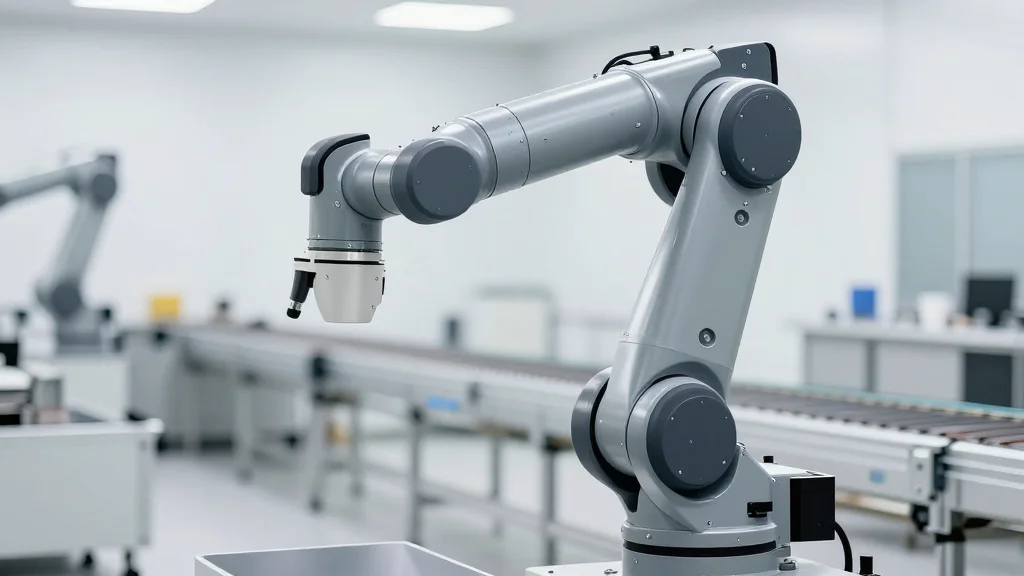
China’s AgiBot G2 Completes 8‑Hour Marathon Livestream, Demonstrating Embodied AI Reliability

Companies Mentioned
Why It Matters
The AgiBot G2 marathon demonstrates that embodied AI can move from prototype to production‑line workhorse, addressing a key barrier to widespread robotics adoption: reliability under real‑world conditions. By achieving human‑level throughput with higher consistency, the technology promises to reshape labor dynamics in high‑mix, low‑volume manufacturing, where frequent product changes have traditionally required manual intervention. Beyond China, the livestream sets a new standard for transparency in industrial automation. Companies worldwide can now benchmark performance metrics—task success rate, cycle time, cumulative stable hours—against a publicly verified test, potentially accelerating cross‑border partnerships and investment in AI‑enhanced robotics.
Key Takeaways
- •AgiBot G2 ran continuously for over eight hours on a live consumer‑electronics line with no major failures.
- •Task success rate exceeded 99.5%, matching the output of two human stations at 310 units per hour.
- •The robot processed 140 cumulative stable hours prior to the livestream, proving sustained reliability.
- •Embodied AI enables real‑time adaptation to conveyor deviations and automatic defect detection.
- •The demonstration aims to catalyze broader adoption of AI‑driven robots in China’s $200 billion smart‑factory market.
Pulse Analysis
AgiBot’s marathon livestream is more than a publicity stunt; it is a strategic move to de‑risk the commercial rollout of embodied AI in manufacturing. Historically, Chinese factories have excelled at scaling conventional robotic arms, but the transition to perception‑driven systems has lagged due to concerns over downtime and integration complexity. By broadcasting raw, unedited footage, AgiBot forces skeptics to confront hard data, effectively turning a marketing narrative into a verifiable performance audit.
The timing aligns with a broader push from the Chinese government to double the share of AI‑enabled equipment in factories by 2027. If AgiBot can replicate its Nanchang results across multiple sites, it could capture a sizable slice of the domestic market that is currently dominated by legacy players such as Fanuc and KUKA. Internationally, the demonstration may pressure Western OEMs to accelerate their own embodied AI roadmaps, especially as supply‑chain resilience becomes a post‑pandemic priority.
Looking ahead, the real test will be scaling the G2’s capabilities to higher‑volume, higher‑mix production lines while maintaining its sub‑20‑second cycle time. Success would validate a new economic model where factories can pivot between product variants with minimal re‑tooling, unlocking cost savings that could be passed to consumers. Conversely, any slip in reliability at scale could reinforce the entrenched preference for deterministic, pre‑programmed robots. The industry now watches closely as AgiBot moves from a single‑line showcase to broader deployment, a transition that could redefine the competitive landscape of industrial robotics.
China’s AgiBot G2 Completes 8‑Hour Marathon Livestream, Demonstrating Embodied AI Reliability
Comments
Want to join the conversation?
Loading comments...